
 Language
  English
 中文简体
中文简体 Español
 русский
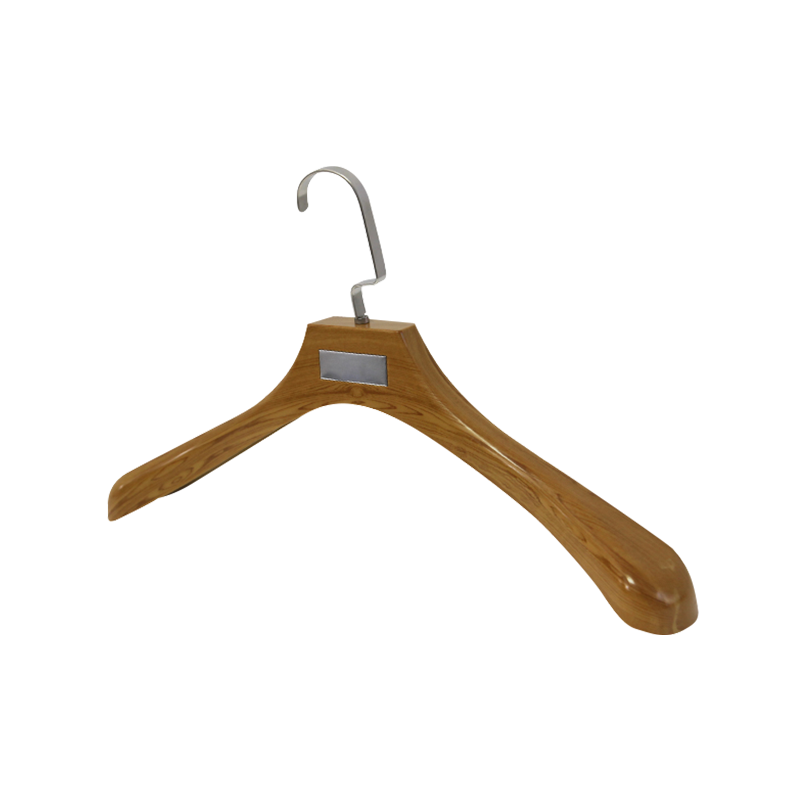
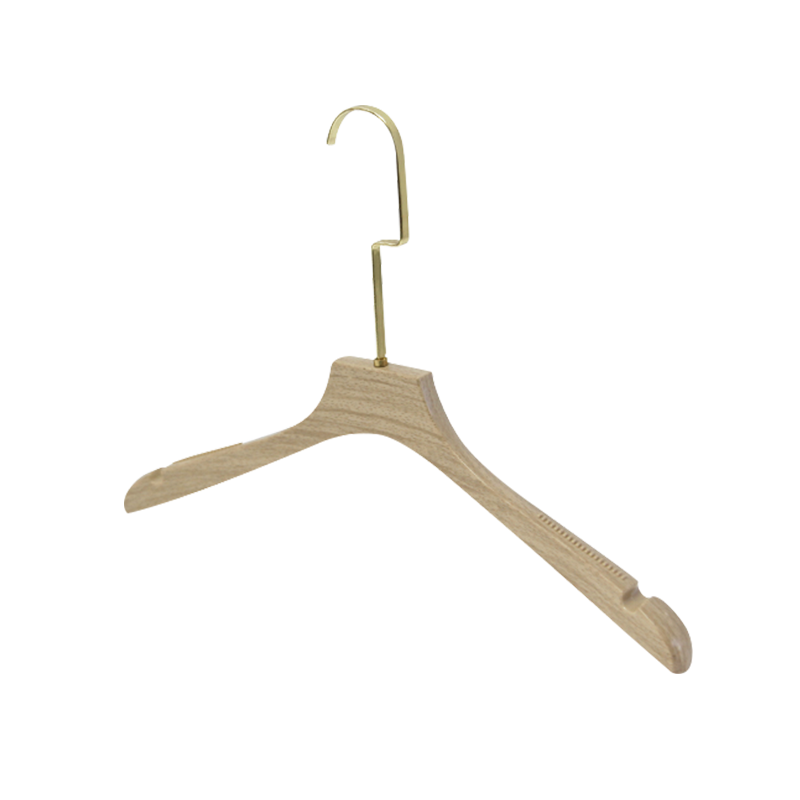
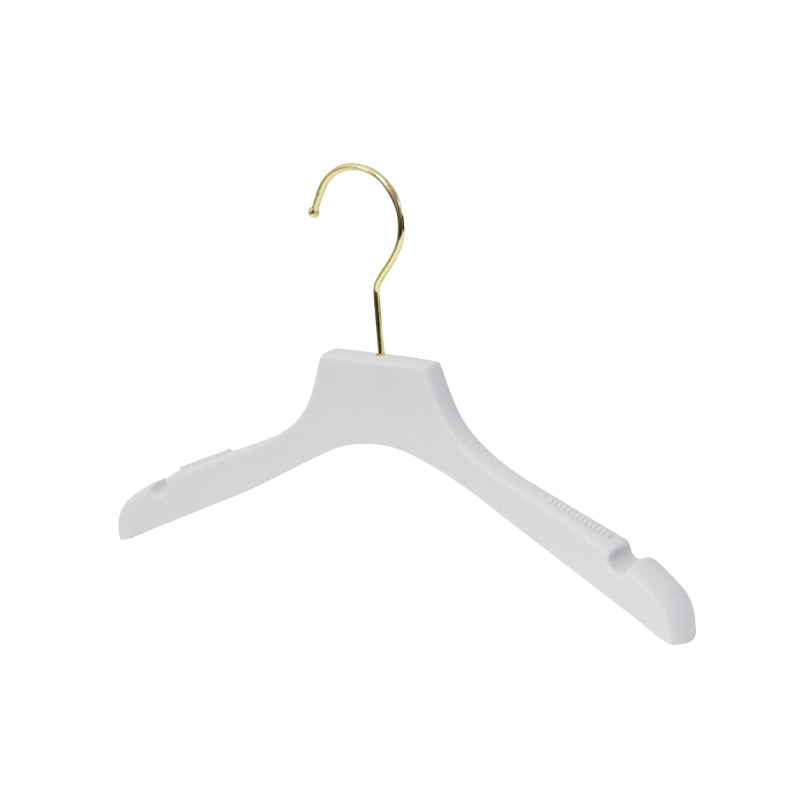
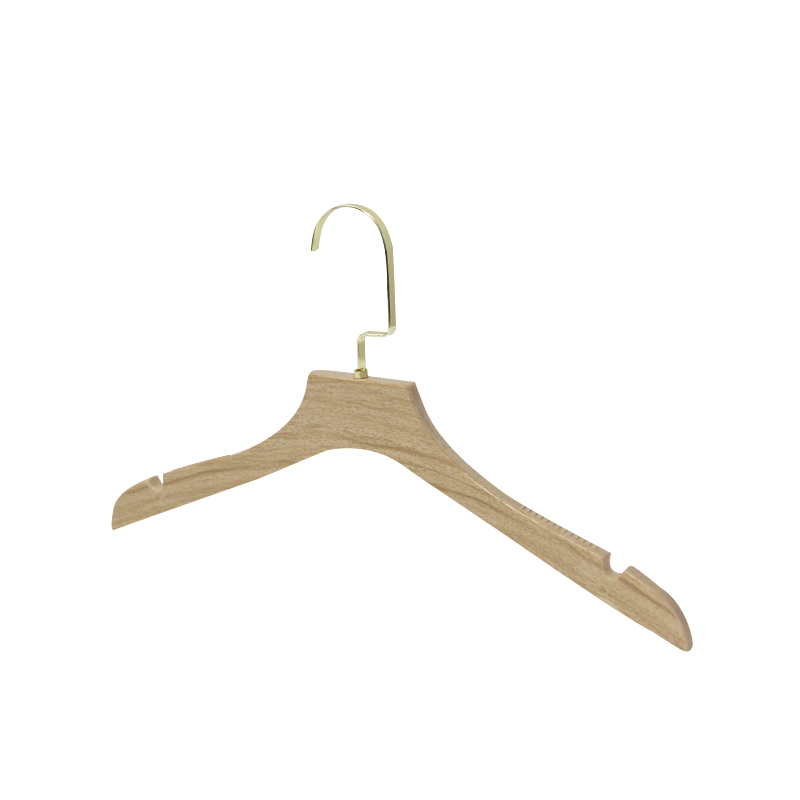
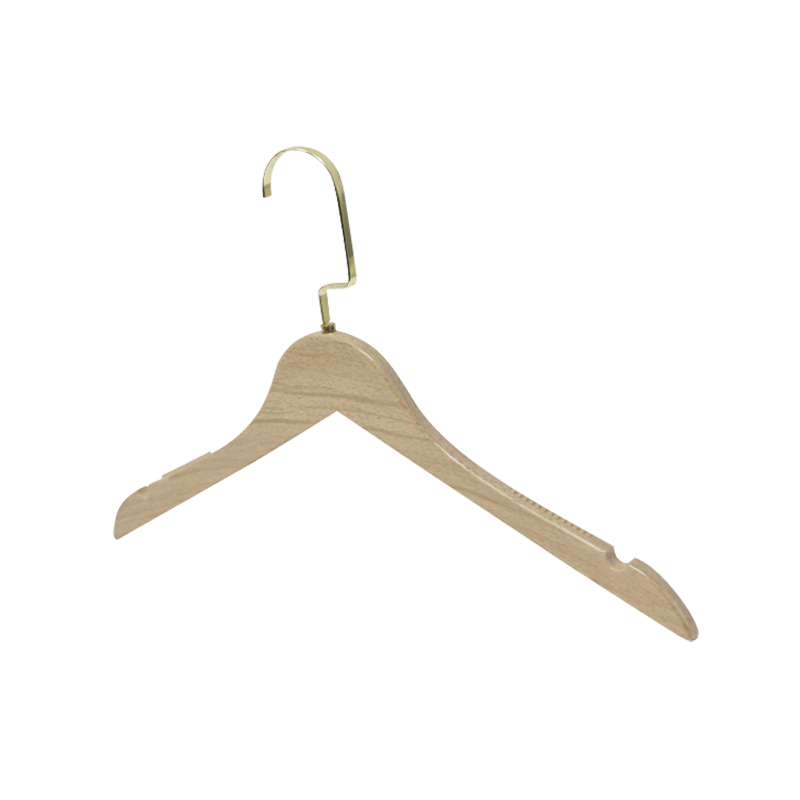
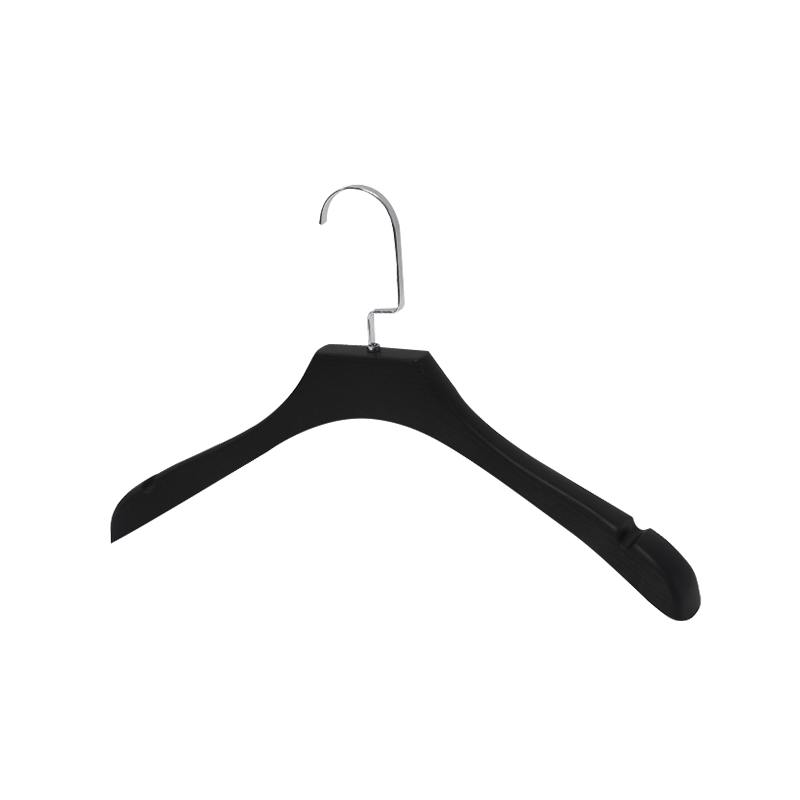
Classic Style Wooden Metal Hook Hanger
Product features:
1. Solid wood material: This coat hanger is made of high-quality solid wood material to ensure t...
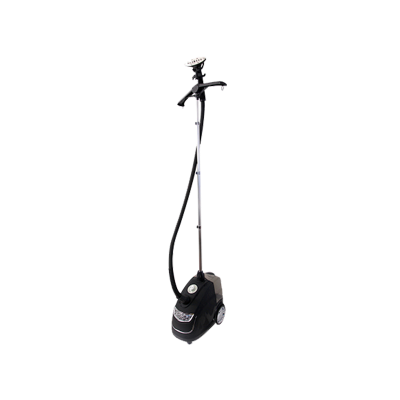
Standing fabric steamers have become common household appliances, offering an alternative to traditional ironing for removing wrinkles from clothing, curtains, and upholstery. These devices generate steam that relaxes fabric fibers, allowing wrinkles to fall out without direct contact. Despite their apparent simplicity, standing steamers are assemblies of multiple components, each requiring specific materials to withstand heat, pressure, moisture, and repeated use. The materials chosen for their construction directly affect performance, durability, safety, and cost.
Water Tank Materials: Containing the Reservoir
The water tank stores the water that will be converted to steam. This component must be leak-proof, resistant to mineral buildup, and compatible with the heating element materials.
Polypropylene (PP): This is the common material for water tanks in standing steamers.
Polypropylene offers chemical resistance to water and does not corrode or rust. It is unaffected by the minerals typically found in tap water.
The material is lightweight, which reduces the overall weight of the appliance.
PP can be molded into complex shapes with integral features such as handles, fill openings, and water level indicators.
It has good heat resistance, typically withstanding temperatures up to 100-110°C, sufficient for contact with hot water but below the temperature of the steam generation chamber.
Translucent or transparent grades allow users to see the water level without opening the tank.
Polyethylene Terephthalate (PET or PETE): Some tanks use PET, particularly for transparent sections.
PET offers clarity, allowing easy viewing of water level and condition.
It has good strength and dimensional stability but lower heat resistance than polypropylene.
PET is more commonly used for external water level indicators or sight glasses rather than the entire tank.
Polycarbonate (PC): Used in some higher-end models for transparent tanks or components.
Polycarbonate offers exceptional impact resistance and clarity.
It has higher heat resistance than PET but can be susceptible to stress cracking when exposed to certain chemicals.
The material is more expensive than polypropylene, limiting its use to specific applications.
Santoprene or Thermoplastic Elastomer (TPE) Seals: The tank requires seals at connections and the fill cap.
These flexible materials provide watertight seals that accommodate thermal expansion and vibration.
They resist compression set, maintaining sealing pressure over time.
EPDM rubber is also used for gaskets and O-rings in tank connections.
Boiler and Heating Element Materials: Generating the Steam
The boiler or steam generator is the heart of the appliance, where water is heated to produce steam. This component experiences the higher temperatures and pressures, requiring materials with specific thermal and corrosion-resistant properties.
Aluminum: Many steamers use aluminum for the boiler housing and heating element base.
Aluminum offers thermal conductivity, allowing efficient heat transfer from the heating element to the water. This reduces heat-up time and energy consumption.
It is lightweight, contributing to the overall portability of the steamer.
Aluminum is relatively low-cost compared to other metals with similar thermal properties.
However, aluminum can corrode over time when exposed to water, particularly if the water has high mineral content or pH. Corrosion can bring about pitting and eventual failure.
Many aluminum boilers receive surface treatments such as anodizing or ceramic coatings to improve corrosion resistance and prevent mineral adhesion.
Stainless Steel: Higher-end steamers often use stainless steel for the boiler and steam chamber.
Grades such as 304 (18/10) are common. This alloy contains 18 percent chromium and 10 percent nickel, forming a passive chromium oxide layer that provides corrosion resistance.
Stainless steel does not react with water minerals and is resistant to pitting and scaling, contributing to longer service life.
The material is stronger than aluminum and can withstand higher pressures without deformation.
Stainless steel has lower thermal conductivity than aluminum, which may result in slightly longer heat-up times, though this is offset by the use of efficient heating element designs.
The material is more expensive and heavier than aluminum, which affects both manufacturing cost and appliance weight.
Heating Element Materials: The actual heating element that converts electrical energy to heat is typically a resistance wire enclosed in a protective sheath.
Nichrome (Nickel-Chromium alloy) wire is the common resistance heating element material. It offers stable resistance at high temperatures and good oxidation resistance.
The heating wire is insulated with magnesium oxide (MgO) powder, which provides electrical insulation while conducting heat efficiently to the sheath.
The outer sheath is typically stainless steel or incoloy (a nickel-iron-chromium alloy). Incoloy offers corrosion resistance and high-temperature strength, making it suitable for the demanding applications.
The sheath must resist corrosion from both water and steam at operating temperatures, as failure would expose the electrical components to moisture.
Housing and Pole Materials: The Structural Framework
The housing contains the boiler and electrical components, while the pole supports the steam hose and provides height adjustment. These structural components must be stable, durable, and resistant to the moist environment.
ABS (Acrylonitrile Butadiene Styrene): This is the common material for the main housing and base of standing steamers.
ABS offers good impact resistance, protecting internal components if the appliance is bumped or knocked over.
It can be molded into complex shapes with smooth surfaces that are easy to clean.
The material accepts various surface finishes, from high-gloss to textured, and can be produced in a wide range of colors.
ABS has adequate heat resistance for external housings, which do not contact the high-temperature components directly.
UV stabilizers are often added to prevent discoloration from sunlight exposure if the steamer is stored near windows.
Polypropylene (PP): Some housings and structural components use polypropylene.
PP offers good chemical resistance and is unaffected by occasional water contact.
It is lighter than ABS but has lower impact resistance.
PP is often used for components such as cord wraps, accessory storage compartments, and feet.
Polycarbonate (PC): Used for transparent components such as water level windows or decorative elements.
Polycarbonate offers high impact resistance and clarity.
It is more expensive and typically used only where transparency is required.
Aluminum Poles: The telescoping pole that holds the steam head is often made from aluminum.
Aluminum provides strength with light weight, allowing the pole to be raised and lowered easily.
The material does not rust, which is important in the humid environment of a steamer in use.
Extruded aluminum tubes with anodized or painted finishes provide smooth surfaces that glide easily during height adjustment.
The locking mechanism may incorporate plastic or metal components that must withstand repeated use without wear.
Stainless Steel Poles: Some higher-end models use stainless steel poles.
Stainless steel offers durability and corrosion resistance.
It is heavier than aluminum, which can affect the overall weight and stability of the steamer.
The material provides a premium appearance that matches stainless steel boilers in upscale models.
Steam Head and Fabric Contact Materials: The Working End
The steam head distributes steam onto the fabric and often includes attachments for specific tasks. This component must withstand steam temperature while providing smooth contact with various fabrics.
Steam Head Body: The main body of the steam head is typically molded from high-temperature engineering plastics.
PPO (Polyphenylene Oxide) or modified PPO is commonly used. It offers high heat deflection temperature, maintaining rigidity and shape when exposed to steam.
PBT (Polybutylene Terephthalate) is another engineering plastic used for steam heads. It offers good heat resistance, dimensional stability, and surface finish.
Polycarbonate (PC) may be used for transparent steam head components, though its heat resistance is lower than PPO or PBT.
Nylon (Polyamide) with glass fiber reinforcement is used for components requiring high strength and heat resistance. The glass fibers increase stiffness and reduce thermal expansion.
Fabric Contact Surfaces: The surfaces that directly contact clothing must be smooth and non-damaging to fabrics.
The steam head face may be the molded plastic itself, polished to a smooth finish that glides over fabric without snagging.
Some steam heads incorporate stainless steel or ceramic faceplates. These materials provide a very smooth, hard surface that glides easily and resists scratching.
Nylon or felt fabric protectors may be attached to the steam head for delicate fabrics, preventing direct contact with hot surfaces.
Bristle Attachments: Many steamers include brush attachments for agitating fabric fibers or removing lint.
Bristles are typically nylon or polyester, materials that resist heat and maintain stiffness in the steam environment.
The brush base is molded from engineering plastic, with bristles anchored through the molding process.
Natural bristles are less common due to their sensitivity to moisture and heat.
Garment Clamps and Hangers: The steamer typically includes a clamp for holding garments and a hanging system.
Clamps are often zinc-plated steel with rubber or plastic jaw covers to prevent fabric damage.
The hanger itself may be plastic or wood, with wood offering a traditional appearance but requiring protection from moisture.
Hose and Steam Delivery Materials: Transporting the Steam
The hose carries steam from the boiler to the steam head. This component must remain flexible while containing high-temperature, high-pressure steam without leaking or degrading.
Inner Hose Materials: The tube that actually carries the steam must withstand continuous exposure to high-temperature steam without softening, degrading, or releasing odors.
Silicone rubber is a common material for steam hoses. It remains flexible at high temperatures, resists steam degradation, and does not impart tastes or odors to the steam.
EPDM rubber is also used for steam applications. It offers good heat resistance and flexibility.
PTFE (Polytetrafluoroethylene) lined hoses are used in some high-end steamers. PTFE provides heat and chemical resistance with very low friction, minimizing pressure drop. It is more expensive and less flexible than rubber.
Reinforced thermoplastics such as nylon or polyester with braided reinforcement are used in some designs, providing flexibility with pressure containment.
Outer Covering: The inner hose is typically covered with a protective layer.
Braided fabric (polyester or nylon) provides abrasion resistance and improves the appearance of the hose.
Some hoses use a metal overbraid (stainless steel) for durability and heat reflection, though this is less common in consumer products.
The outer covering may include insulation to reduce external temperature, preventing burns if the hose is accidentally touched.
Fittings and Connectors: The ends of the hose must connect securely to the boiler and steam head.
Brass fittings are common due to their corrosion resistance, machinability, and ability to withstand repeated connection cycles.
Stainless steel fittings provide durability and corrosion resistance.
Chromed zinc fittings may be used in economy models for appearance at lower cost.
Quick-release couplings often incorporate stainless steel springs and brass or plastic bodies.
Control Components and Electrical Materials
The user interface and electrical systems require materials appropriate for their functions and safety requirements.
Control Knobs and Buttons: These are typically molded from ABS or polypropylene , with markings applied through pad printing, laser etching, or two-shot molding.
Soft-touch coatings may be applied to knobs for improved grip. These are typically polyurethane-based materials that provide a rubber-like feel.
Temperature-stable materials are required for knobs that may be located near steam outlets.
Indicator Lights and Displays: LED indicators are common, with lenses molded from polycarbonate or acrylic .
Digital displays, where present, are protected by transparent covers that must resist fogging and steam exposure.
Electrical Cords: The power cord must be flexible, durable, and appropriately rated for the appliance's electrical load.
The outer jacket is typically PVC (polyvinyl chloride) or rubber , with rubber offering greater flexibility in cold environments.
Internal conductors are copper , stranded for flexibility.
The cord entry point into the housing includes a strain relief , typically molded from flexible plastic or rubber.
Internal Wiring: Internal electrical connections use copper wire with PVC or silicone insulation. High-temperature silicone insulation is used near the boiler where temperatures exceed the rating of standard PVC.
Water Treatment and Scale Prevention Materials
To address the problem of mineral buildup from tap water, many steamers incorporate materials designed to reduce scaling.
Anti-scale Cartridges: Some models include replaceable cartridges containing water treatment materials.
Ion exchange resins remove calcium and magnesium ions responsible for scale formation. These resins require periodic replacement or regeneration.
Polyphosphate crystals sequester minerals, keeping them in solution so they do not precipitate as scale. These are slowly consumed and require replacement.
Scale Collection Devices: Some designs incorporate features that collect scale for easy removal.
Magnetic scale collectors use magnets to attract iron particles, though they are less effective for calcium-based scale.
Mesh screens or baffles in the boiler trap scale particles, allowing them to be rinsed out during cleaning.
Self-Cleaning Mechanisms: Some boilers incorporate features that flush scale out during operation.
The materials used must withstand the thermal shock of flushing and the abrasive nature of scale particles.