
 Language
  English
 中文简体
中文简体 Español
 русский
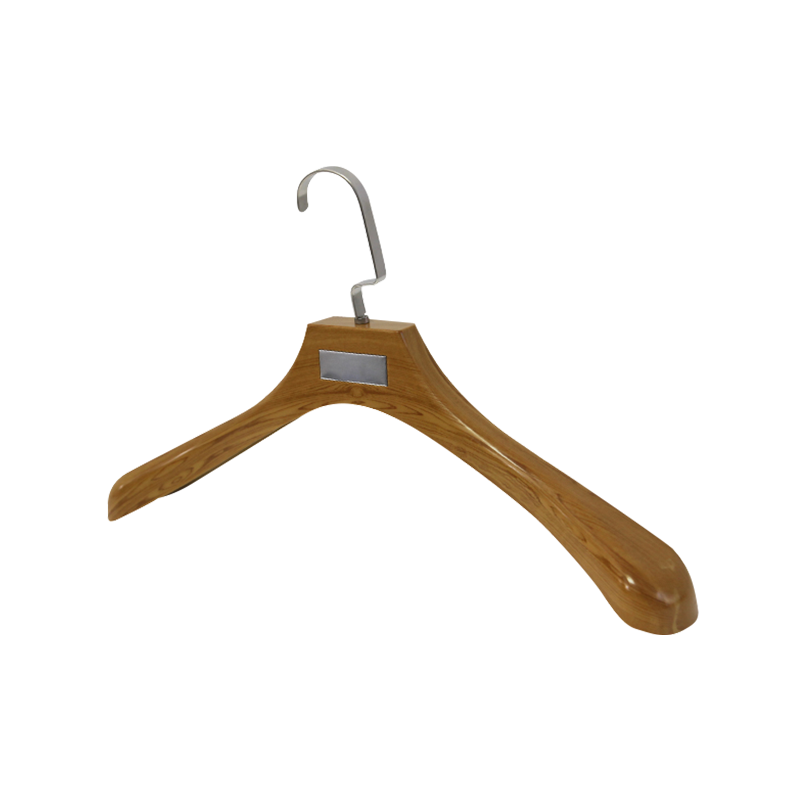
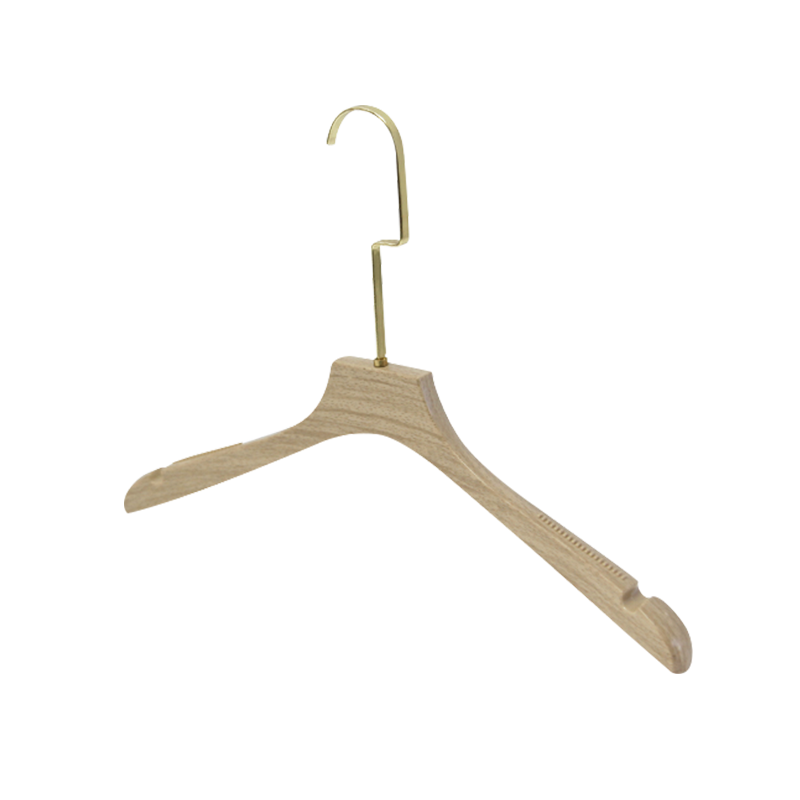
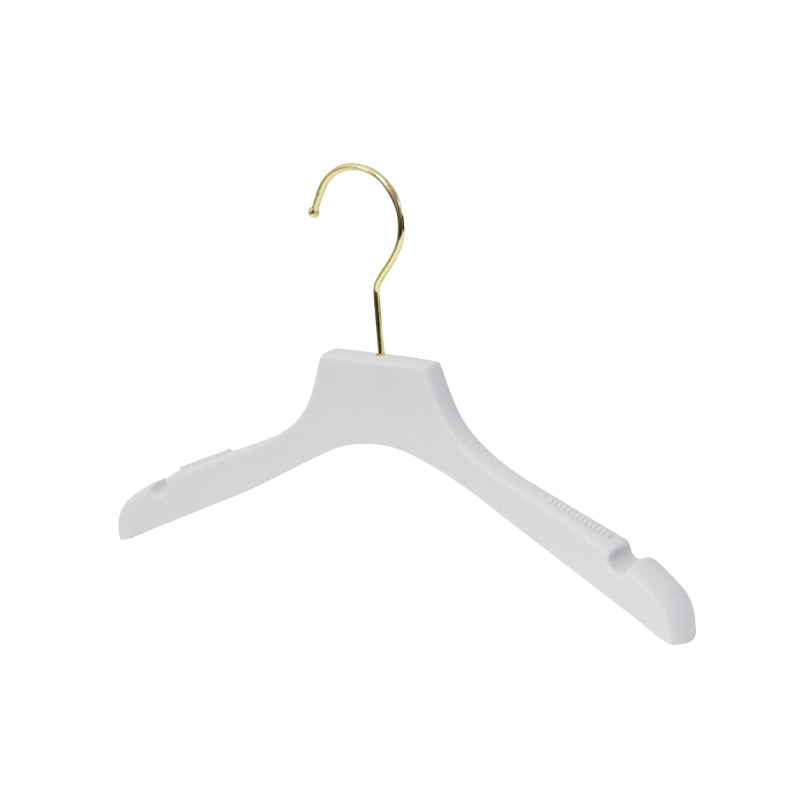
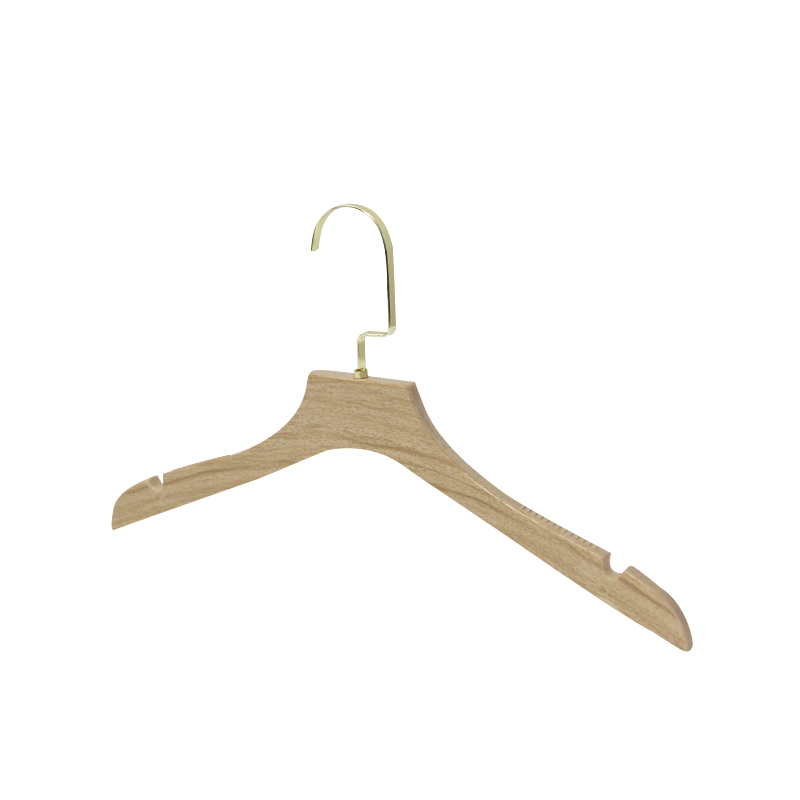
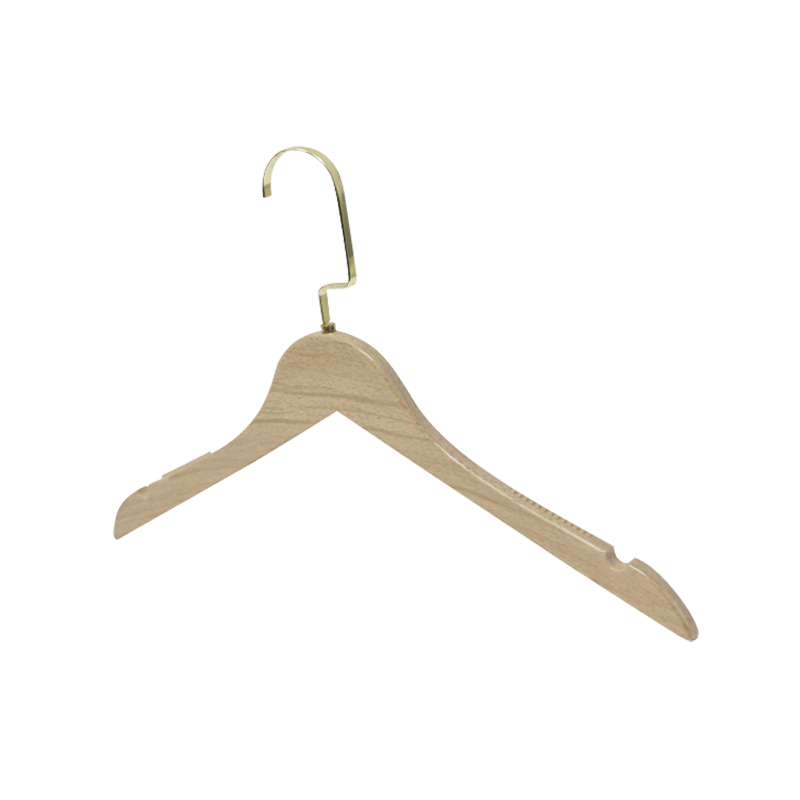
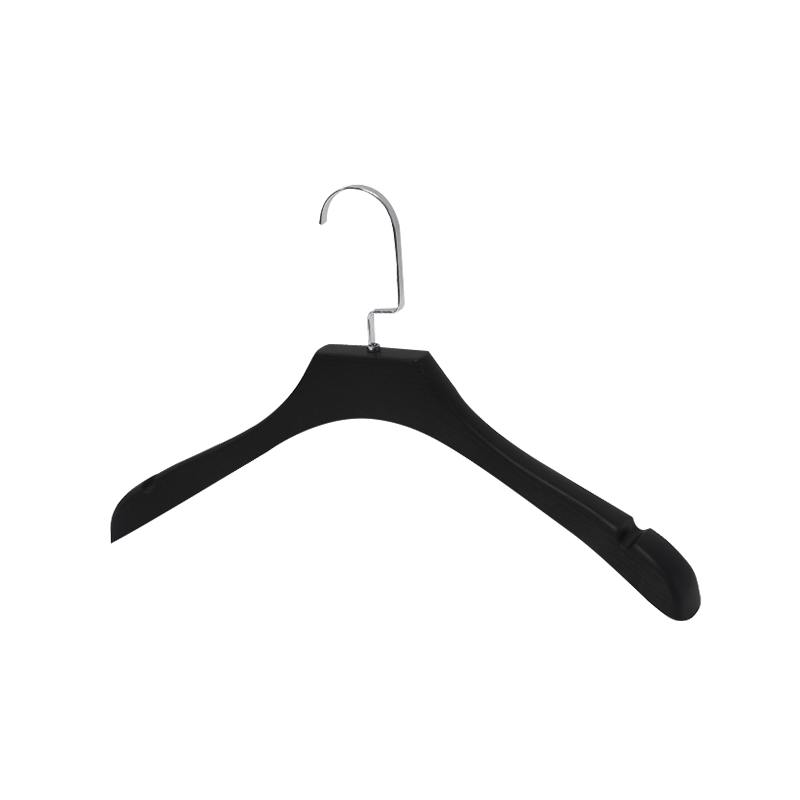
Classic Style Wooden Metal Hook Hanger
Product features:
1. Solid wood material: This coat hanger is made of high-quality solid wood material to ensure t...
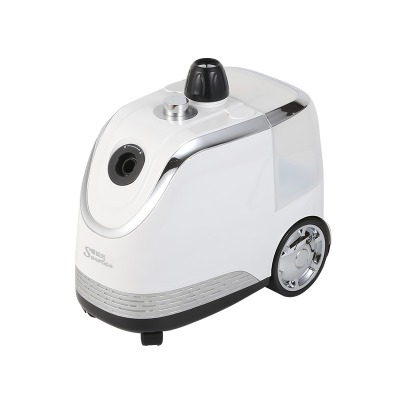
Standing garment steamers (also called upright or full‑size garment steamers) are household and commercial appliances designed to remove wrinkles and refresh fabrics by directing steam at hanging clothing or textiles. They differ from handheld steamers in size, water capacity, and continuous use capability.
Basic operation:
Fill the water reservoir, typically with distilled or filtered water to reduce mineral buildup.
Plug in the steamer and allow it to heat up — units take a few minutes to produce consistent steam.
Hang the garment on the built‑in hanger or a separate rack.
Hold the steam head upright and move it slowly from top to bottom, allowing steam to relax fabric fibers.
Placement and setup:
Place the steamer on a stable, level floor surface.
Avoid tight spaces where steam condensate could affect walls or nearby objects.
Use the telescopic pole and clips to position garments at a comfortable height.
Standing steamers are used for dresses, shirts, suits, curtains, bedding, and other fabrics that may not be easily ironed. The vertical steaming method avoids the need for an ironing board and allows steamed items to hang freely during the process.
Common fabrics suited for steaming:
Cotton, linen, polyester, blends, and some wool fabrics.
Casual and semi‑formal garments often benefit from steaming.
Delicate fabrics:
Silk, chiffon, and satin can be steamed with care, typically at a lower steam setting or from a greater distance to prevent moisture spots.
Always check manufacturer care labels before steaming to ensure heat and moisture contact are appropriate.
Non‑suitable materials:
Leather, suede, and certain heavily embellished materials may not be appropriate for direct steam treatment due to potential texture change or water spots.
Using the correct distance and motion during steaming helps manage effectiveness and reduces the risk of damage. Beginners may allow the garment to hang freely on a door hook or garment rack to provide a straight surface and reduce wrinkling during steaming.
Proper maintenance supports consistent performance, reduces mechanical issues, and can extend the functional life of the steamer. Key maintenance practices include:
Use of appropriate water:
Distilled or de‑mineralized water helps reduce scale and mineral deposits inside the boiler and steam pathways.
Regular cleaning:
Empty and rinse the water tank after use to prevent stagnant water and buildup.
Descale periodically according to the manufacturer's guidelines (e.g., using vinegar or specific descaling agents if mineral buildup appears).
Inspection of steam nozzles and hoses:
Check for blockages or buildup that could reduce steam output.
Unclogging nozzles can sometimes be done with a small brush or pin to clear mineral deposits.
Storage practices:
Store the unit upright in a dry space when not in use to prevent moisture damage to electrical components.
Following these practices helps maintain steady steam output, avoids odor development in standing water, and reduces strain on the heating elements.
Standing garment steamers can face several issues related to water, steam delivery, and mechanical components. Below are common problem areas and basic troubleshooting steps.
Steam Output Issues
Reduced or inconsistent steam:
Mineral deposits (limescale) inside the boiler or steam pathways can block steam production.
Ensure the water tank is filled to the recommended level and allow the unit to fully heat up.
Regular descaling, especially in areas with hard tap water, can help restore steam flow.
No steam production:
Check that the water tank is seated correctly and contains water.
Inspect the hose for bends or blockages that may trap steam and condensation.
Leakage and Water Management
Water leakage:
Occurs if seals, gaskets, or fittings wear down over time.
Ensure all parts are securely connected and avoid overfilling past the line.
Condensation in hose:
A bent hose can cause water to collect and reduce steam efficiency. Straightening the hose and lifting the steam head can allow trapped moisture to drain back into the tank.
Electrical and Safety Considerations
Steamer shuts off unexpectedly:
Some units include overheat protection or automatic shutoff if the tank is empty or internal temperature becomes too high.
Burn risks and steam temperature:
Steam can be hot (often above 100 °C), so avoiding direct skin contact and checking garment labels for heat tolerance is recommended.
Standing garment steamers are widely used appliances for fabric care in both home and commercial settings. They offer a vertical method for steam treatment, suitable for a range of fabrics when used correctly. Common questions about use, suitable fabrics, maintenance, and troubleshooting reflect practical concerns new users often have. Addressing water quality, cleaning routines, and simple operational issues ensures consistent steam delivery and helps maintain garment condition. Understanding these fundamental aspects allows users to select, operate, and care for a standing garment steamer with confidence.