
 Language
  English
 中文简体
中文简体 Español
 русский
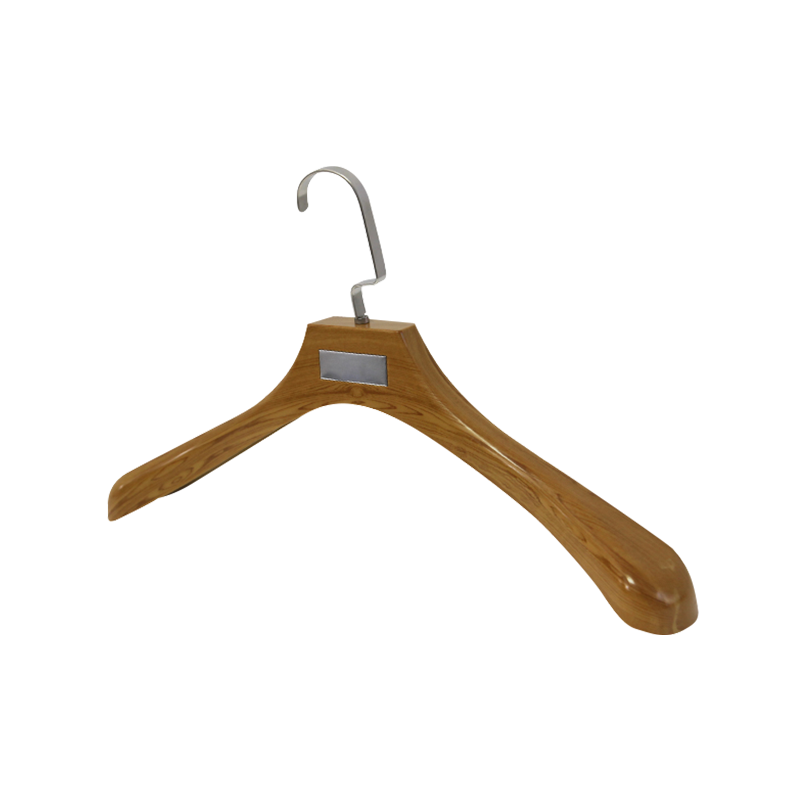
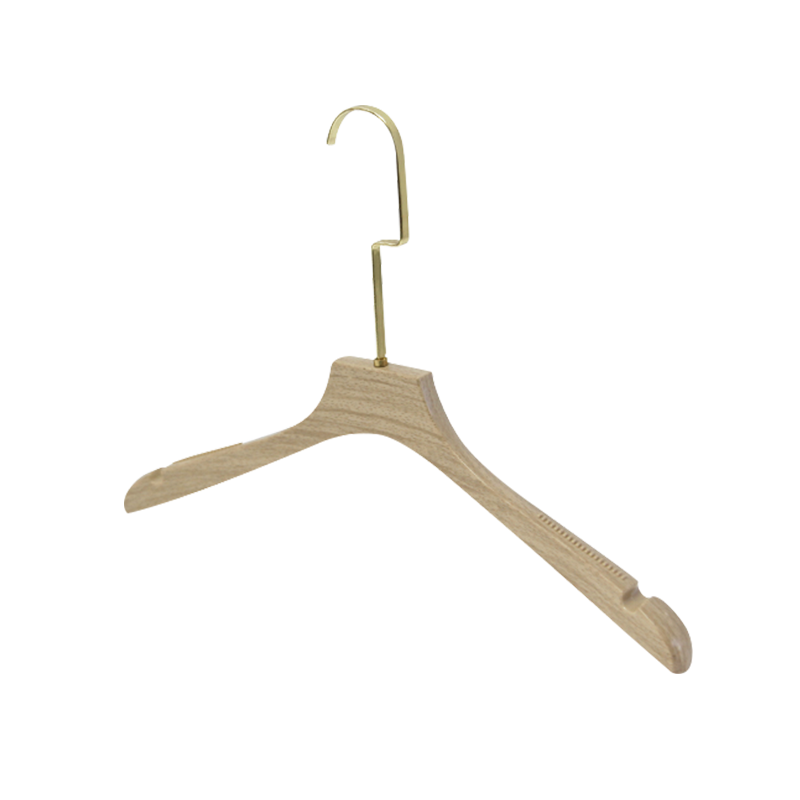
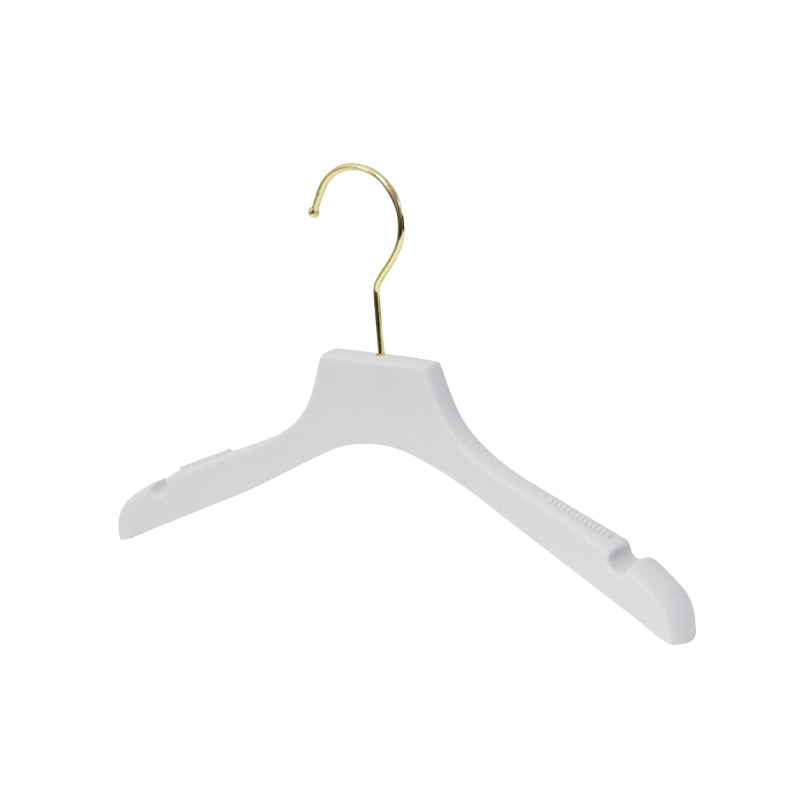
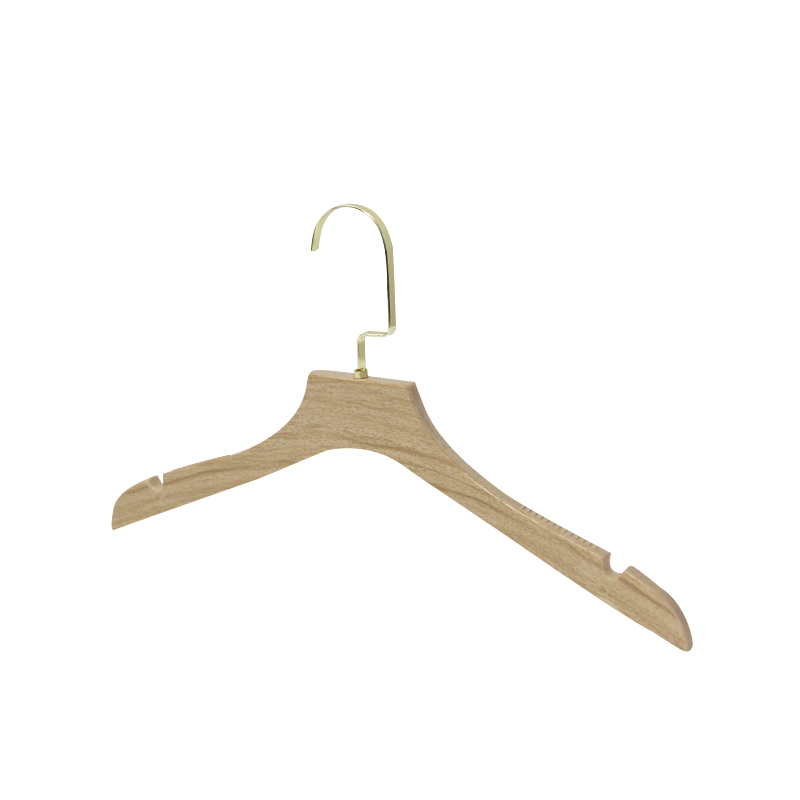
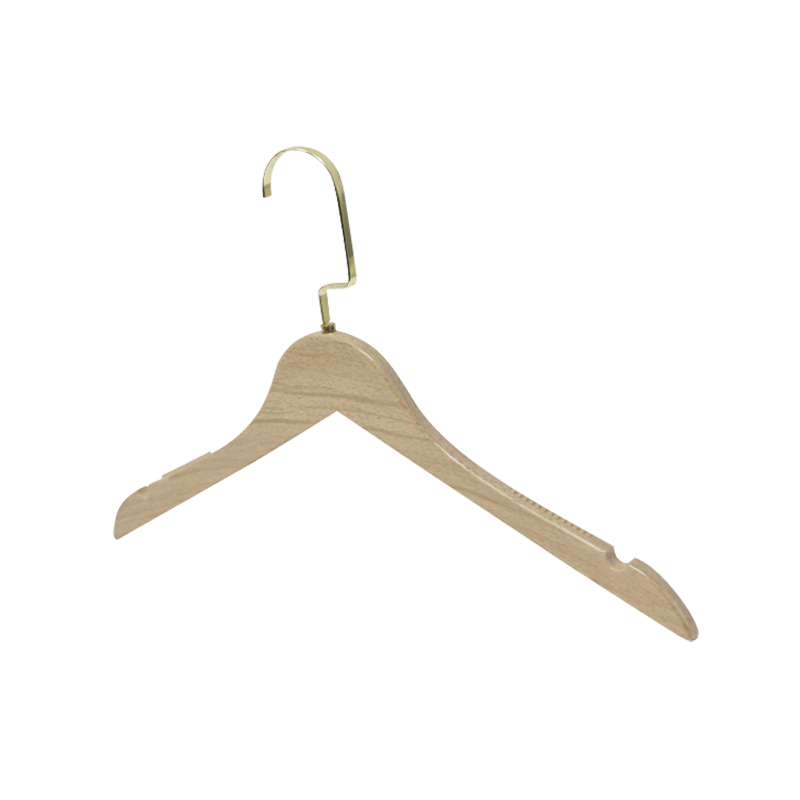
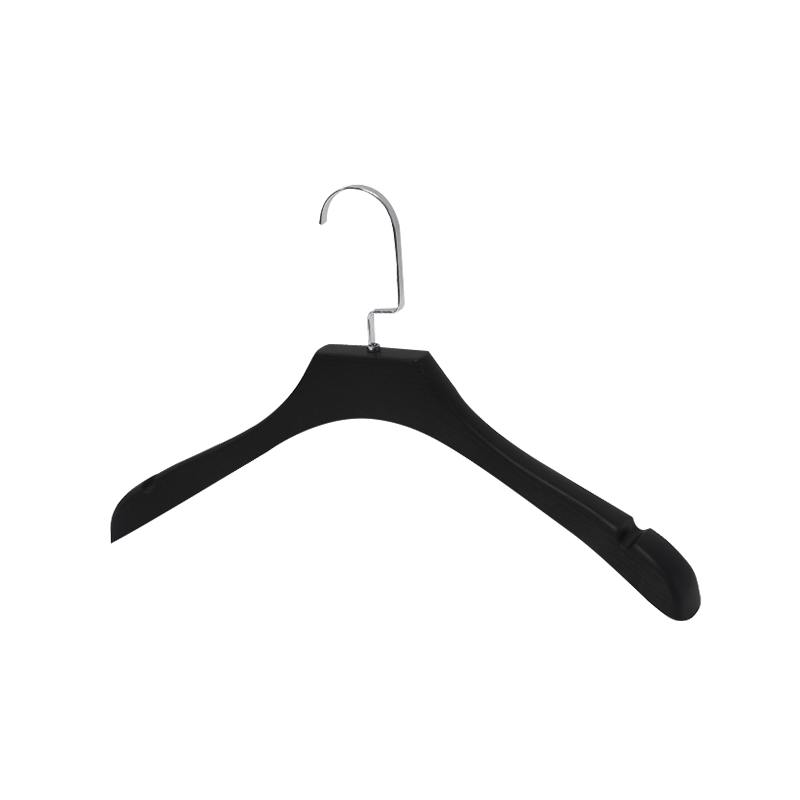
Classic Style Wooden Metal Hook Hanger
Product features:
1. Solid wood material: This coat hanger is made of high-quality solid wood material to ensure t...
Commercial garment steamers are available in several configurations, each suited to particular applications and usage patterns. The primary distinction lies in the steam generation method and the physical configuration of the unit.
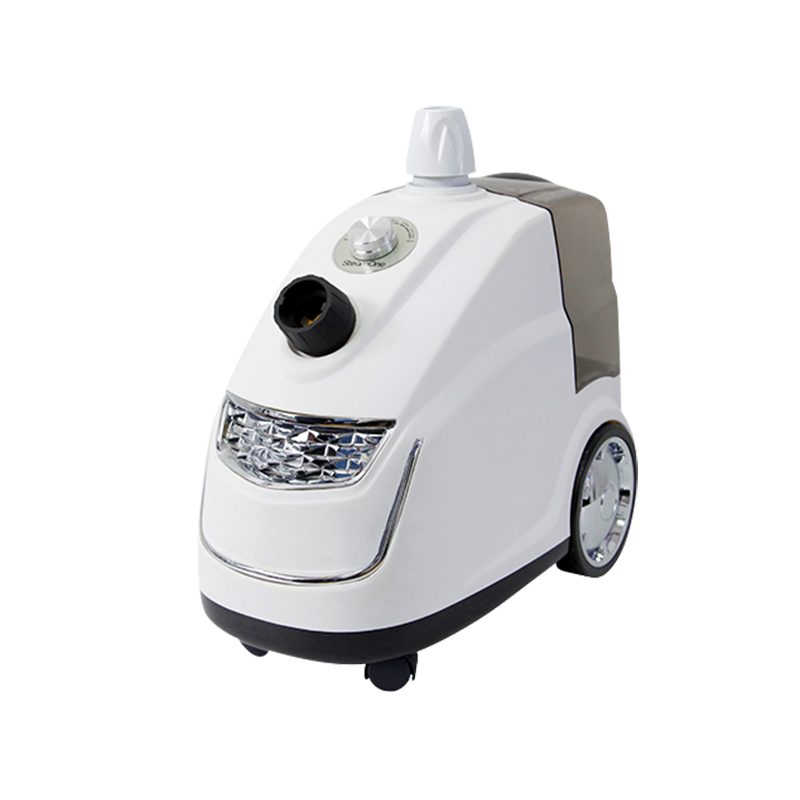
Gravity Feed Steamers
These units consist of a separate water tank mounted above the steaming head. Water flows by gravity to the steam head, where it is flash-heated to produce steam.
The steam head contains the heating element, so steam is generated only when the trigger is activated. This provides instantaneous steam without waiting for a remote boiler to pressurize.
Gravity feed models are typically lighter and more portable than boiler-based systems. They are commonly used in retail settings for steaming garments on display racks.
The water tank capacity is limited by the height of the unit, typically ranging from 2 to 4 liters. Refilling is required more frequently than with boiler systems.
These units require less installation effort and can be moved between locations as needed.
Boiler-Based Steamers
These systems use a separate boiler that heats water continuously, storing steam under pressure for immediate use when the trigger is opened.
The boiler may be located within the same housing as the steaming head (self-contained) or in a separate unit connected by a steam hose (remote boiler).
Boiler-based steamers provide continuous steam output without the pulsing or delay sometimes experienced with gravity feed units. They are suitable for high-volume applications where the steamer will be in near-constant use.
Water capacity is larger, typically 5 to 15 liters, allowing longer operation between refills. Some commercial models include direct water connections, eliminating refilling entirely.
These units are heavier and less portable, often installed permanently in a specific location.
Stationary versus Mobile Configurations
Stationary units are designed to remain in one location, typically with casters for limited movement within a work area. They are common in dry cleaning plants and large hotel laundry rooms where steaming is performed at a dedicated station.
Mobile units include features such as larger wheels, longer hoses, and compact designs that allow movement throughout a facility. These are used in hotels for room service steaming and in theatres for quick costume touch-ups.
Specialized Types
Steam tunnels: Used in high-volume garment finishing, these enclosures expose hanging garments to steam from multiple directions for rapid wrinkle removal without hand manipulation.
Steam tables: Common in dry cleaners, these pressing tables incorporate vacuum and steam functions for finishing garments on a flat surface.
Handheld commercial units: Compact, lightweight units with integrated water tanks, designed for quick touch-ups in retail or hospitality settings where portability is paramount.
Why Commercial Heavy Duty Garment Steamers Are Worth Buying
Businesses invest in commercial-grade steamers for reasons that extend beyond simple wrinkle removal. The value proposition encompasses operational efficiency, garment care, and professional presentation.
Operational Efficiency and Throughput
Commercial steamers are designed for continuous operation. While a domestic steamer might be rated for 30 minutes of continuous use before requiring cool-down, commercial units can operate for entire work shifts without interruption.
Higher steam output translates to faster processing. Commercial units typically produce 50 to 150 grams of steam per minute or more, compared to 20 to 40 grams for domestic models. This allows a garment to be steamed in 30 to 60 seconds rather than several minutes.
Larger water reservoirs reduce downtime for refilling. A 10-liter boiler may operate for 4 to 6 hours before requiring refill, compared to 30 to 45 minutes for a typical domestic tank.
For businesses processing dozens or hundreds of garments daily, these efficiency gains directly impact labor costs and throughput capacity.
Durability and Service Life
Commercial machines use heavier-duty components throughout. Boilers are constructed from stainless steel or heavy-gauge copper rather than aluminum, resisting corrosion and scale buildup over years of use.
Heating elements are designed for continuous duty, with higher wattage and better cooling provisions than domestic elements.
Pumps, valves, and fittings are industrial-grade components rated for millions of cycles rather than the thousands expected in domestic service.
A well-maintained commercial steamer may operate for 10 to 15 years or more, while a domestic steamer used in a commercial setting might fail within months. The total cost of ownership over the equipment's life favors the commercial investment.
Garment Care and Finish Quality
Commercial steamers produce "dry" or "superheated" steam with lower moisture content than domestic units. This wets the fabric less, reducing drying time and preventing water spots on delicate fabrics.
Higher steam pressure (typically 3 to 5 bar compared to 1 to 2 bar for domestic) allows the steam to penetrate fabric fibers more effectively, relaxing wrinkles more thoroughly.
Consistent steam quality ensures uniform results across all garments, important for businesses where presentation quality must be maintained to brand standards.
For dry cleaners and tailors, commercial steamers integrate with pressing tables and vacuum systems for professional finishing that cannot be achieved with standalone units.
Ergonomics and Operator Comfort
Commercial steamers are designed for operators who use them throughout their workday. Features such as adjustable-height hoses, counterbalanced irons, and ergonomic handles reduce fatigue.
Longer hoses (2 to 3 meters versus 1 to 1.5 meters) allow the operator to work across a larger area without moving the unit.
Commercial steam tables and tunnels position the garment at comfortable working heights, reducing back strain associated with handheld steaming.
Reduced operator fatigue translates to consistent quality throughout the work shift and lower risk of repetitive strain injuries.