
 Language
  English
 中文简体
中文简体 Español
 русский
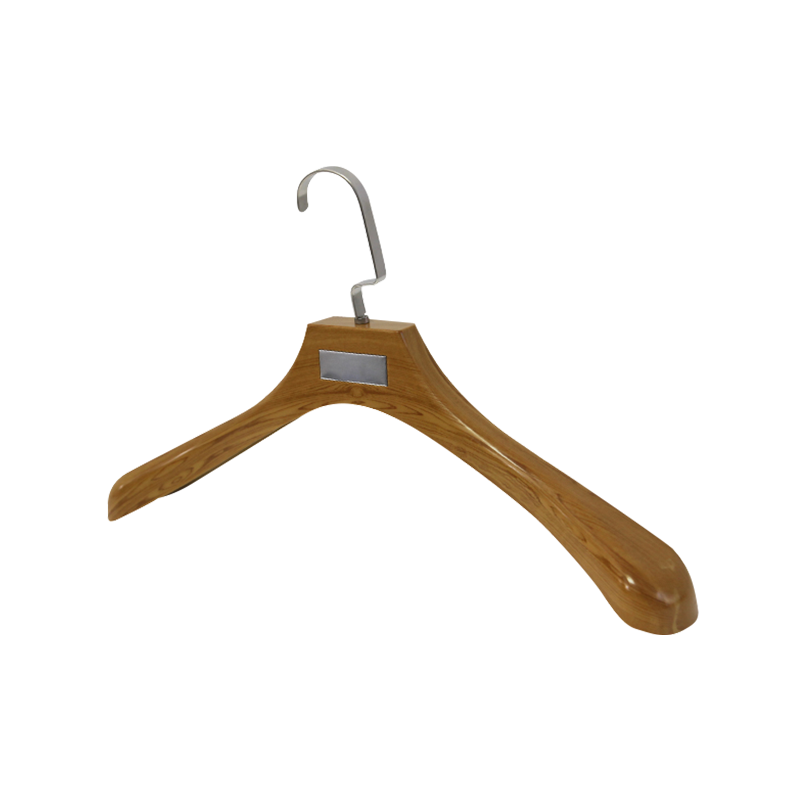
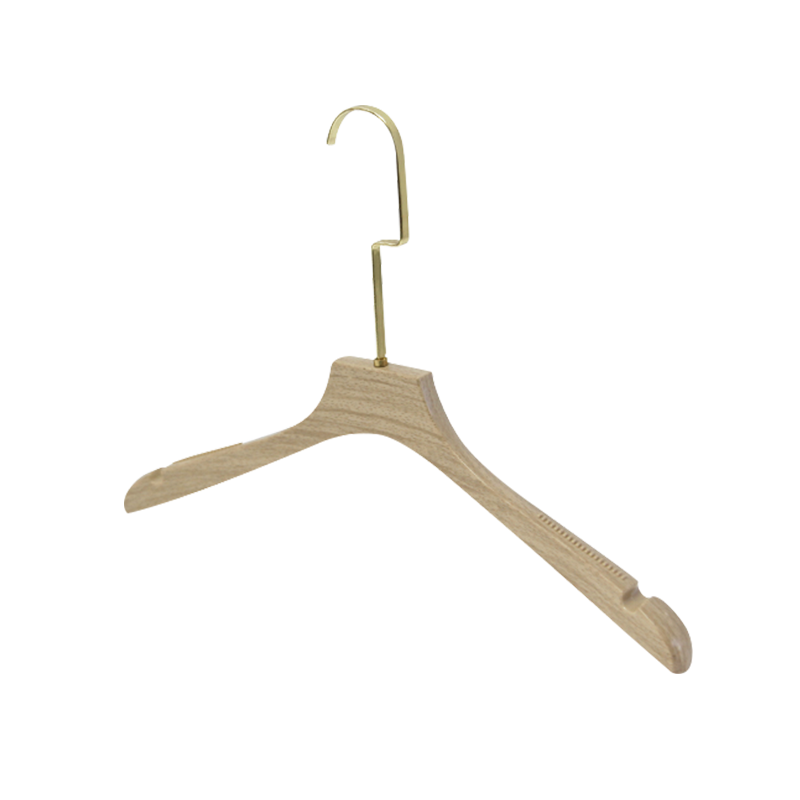
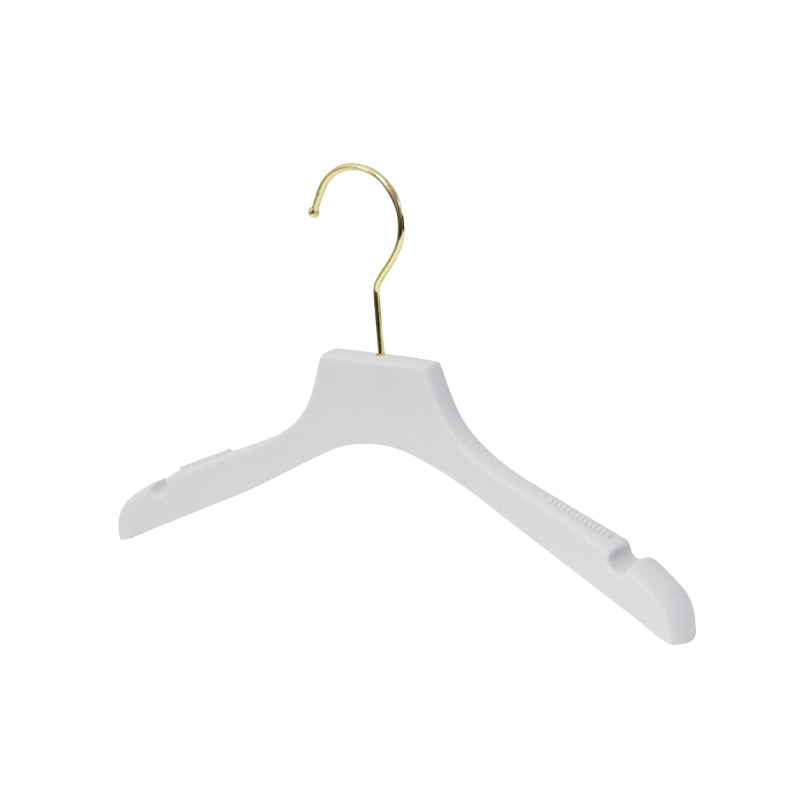
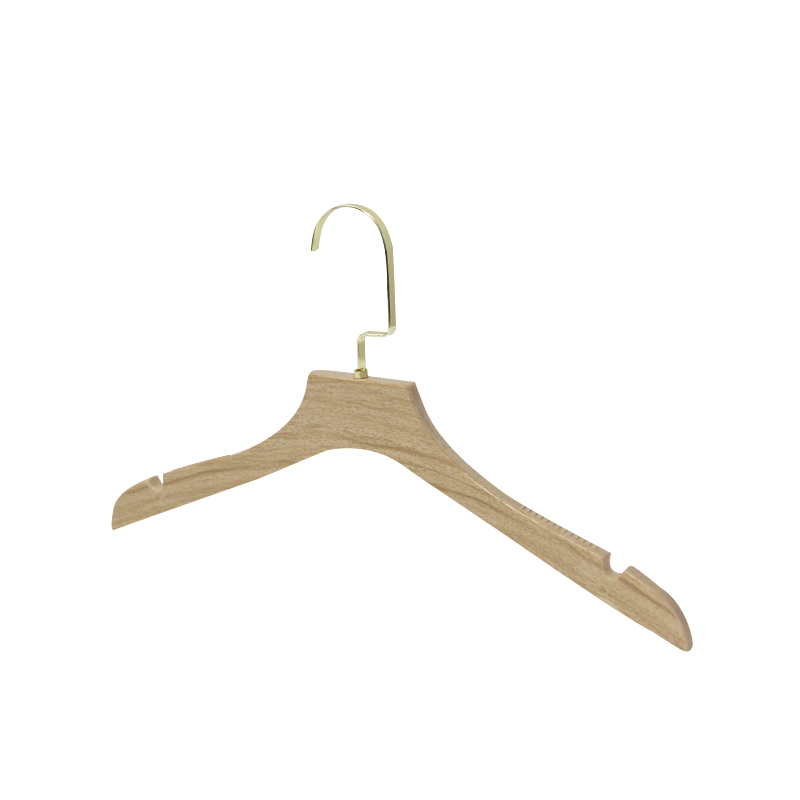
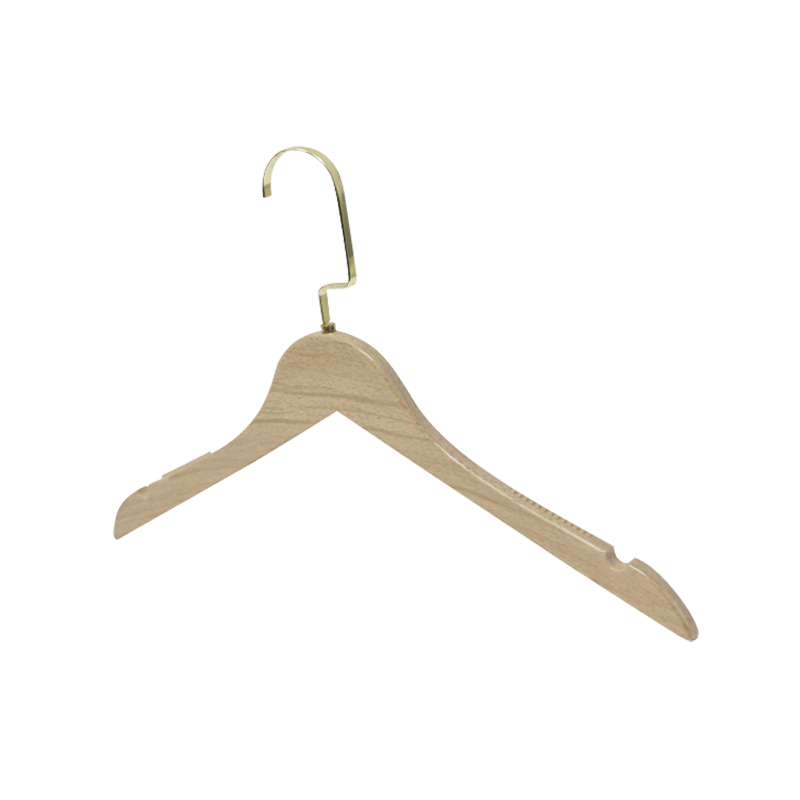
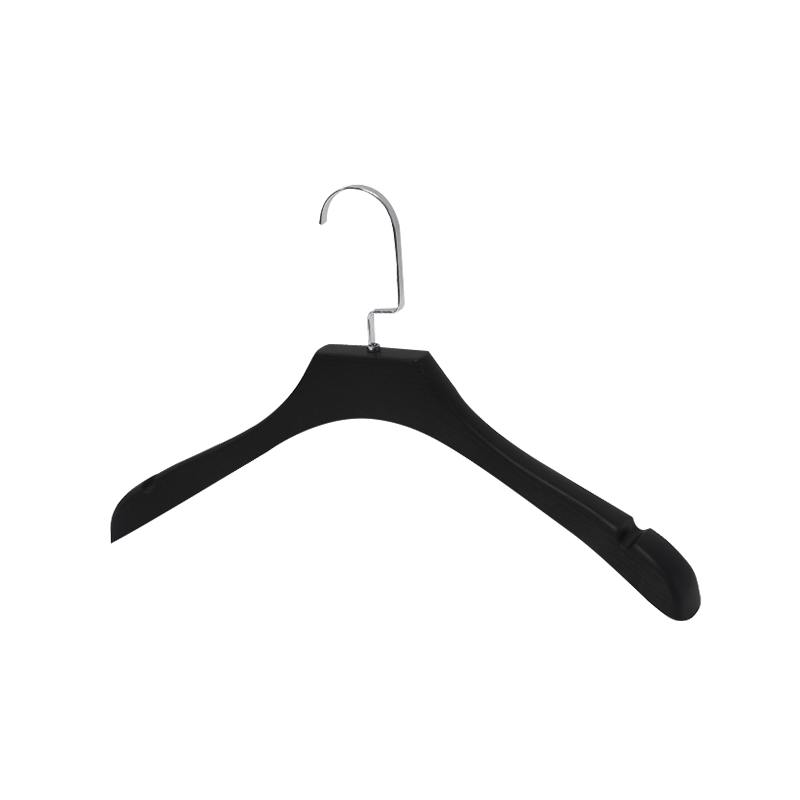
Classic Style Wooden Metal Hook Hanger
Product features:
1. Solid wood material: This coat hanger is made of high-quality solid wood material to ensure t...
When should I choose one over the other?
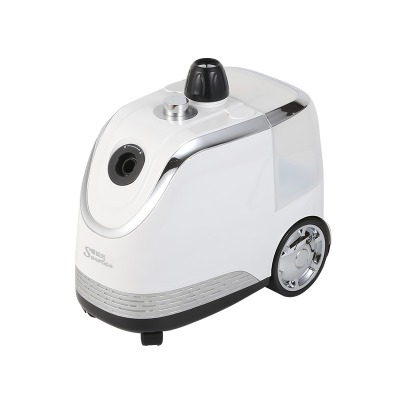
Upright garment steamers and traditional irons serve different garment care purposes. Understanding their respective strengths and limitations helps consumers select the appropriate tool for their needs.
Steam delivery method
Upright steamer: Produces continuous steam that penetrates fabric fibers from a distance of 5 to 15 centimeters. The steam head does not contact the fabric directly; steam relaxes fibers and releases wrinkles through heat and moisture. This non-contact method eliminates the risk of scorching or creating shiny spots on delicate fabrics.
Traditional iron: Applies direct heat and pressure to fabric on a flat surface (ironing board). Steam is typically generated within the iron and emitted through holes in the soleplate. The combination of heat, pressure, and steam creates crisp creases and sharp edges that steamers cannot achieve.
Wrinkle removal effectiveness
Steamers: Many are effective on lightweight to medium-weight fabrics. Remove wrinkles from hanging garments in 3 to 10 minutes per garment. Less effective on heavy fabrics (denim, heavy cotton) or garments with deep-set wrinkles from storage.
Irons: Effective on all fabric weights. Require 5 to 15 minutes per garment, including setup and pressing. Produce flat, crisp finishes but may compress texture (terrycloth, knits) or damage delicate fabrics.
Time and convenience
Upright steamers offer faster wrinkle removal for individual garments, particularly for touch-ups before wearing. A typical shirt can be steamed in 3 to 5 minutes without removing hangers or setting up an ironing board. For households that iron multiple garments at once (weekly batch ironing), traditional irons may be more time-efficient despite longer setup, as multiple items can be processed continuously once the ironing board is set up.
Storage space
Upright steamers require floor space for the base unit (typically 30–40 cm in diameter) and vertical clearance for the telescopic pole (extended height 150–200 cm). Traditional irons require a small storage footprint for the iron itself, but need a dedicated area for the ironing board, which may be freestanding or wall-mounted.
Health and safety considerations
Steamers pose a lower risk of burns from direct contact since the steam head does not require fabric contact. However, steam output can cause burns if directed at the skin. Irons have a higher risk of burns from direct contact with the hot soleplate. Steamers are generally safer for households with children, as the steam head can be stored in a secure position on the unit.
What factors determine steam output quality and wrinkle removal effectiveness?
Steam output quality is the primary determinant of an upright garment steamer's performance. Understanding the technical factors that influence steam characteristics helps consumers evaluate different models.
Continuous steam rate
Measured in grams per minute (g/min), the continuous steam rate indicates how much steam the unit produces during operation. Higher steam rates generally correlate with faster wrinkle removal and effectiveness on heavier fabrics.
Entry-level units: 20–30 g/min. Suitable for lightweight fabrics and occasional use.
Mid-range units: 30–50 g/min. Suitable for household fabrics; effective on medium-weight garments.
High-output units: 50–100 g/min. Suitable for heavy fabrics, multiple garments, and professional use.
Steam rate is determined by the heating element wattage (typically 1,200–2,200 watts for residential units) and the steam generator design. Units with higher wattage reach operating temperature faster and maintain steam output during continuous use.
Steam pressure
Steam pressure, measured in bar (or pounds per square inch), affects steam velocity and penetration. Higher pressure steam penetrates fabric fibers more effectively and reaches wrinkles in thicker materials.
Gravity-fed units: Operate at near-atmospheric pressure (0–0.5 bar). Steam exits the head primarily by expansion, not pressure. Suitable for lightweight fabrics.
Pump-fed units: Use an electric pump to deliver water to the steam generator, producing a pressure of 1–3 bar. Steam exits with greater velocity, improving penetration.
Boiler units: Incorporate pressurized steam generators (3–6 bar). Produce high-velocity steam effective on heavy fabrics and for commercial use.
Heating time
The time required to reach operating temperature affects convenience. Typical heating times:
Rapid-heat units: 30–60 seconds. Lower steam output; suitable for quick touch-ups.
Standard units: 1–3 minutes. Balance between convenience and steam output.
High-output units: 3–8 minutes. Longer heating time but sustained steam output for multiple garments.
Steam head design
Steam hole pattern: Number, size, and arrangement of steam outlets affect steam distribution. Larger steam heads with more outlets cover fabric area more efficiently.
Steam head shape: Triangular or tapered heads access garment areas such as collars, cuffs, and seams. Wider heads cover larger fabric areas.
Steam head material: Metal heads (aluminum, stainless steel) retain heat, reducing condensation drips. Plastic heads are lighter but may allow steam to condense before reaching the fabric.
Hose length: Longer hoses (1.5–3 meters) provide greater reach for steaming hanging garments and curtains without moving the base unit.
Water tank capacity and type
Removable tanks: Allow refilling at a sink without moving the entire unit. Typical capacities 1–3 liters.
Fixed tanks: Filled at the unit. May be less convenient but often have larger capacities.
Continuous fill capability: Professional units may connect directly to a water supply, allowing indefinite operation without refilling.