
 Language
  English
 中文简体
中文简体 Español
 русский
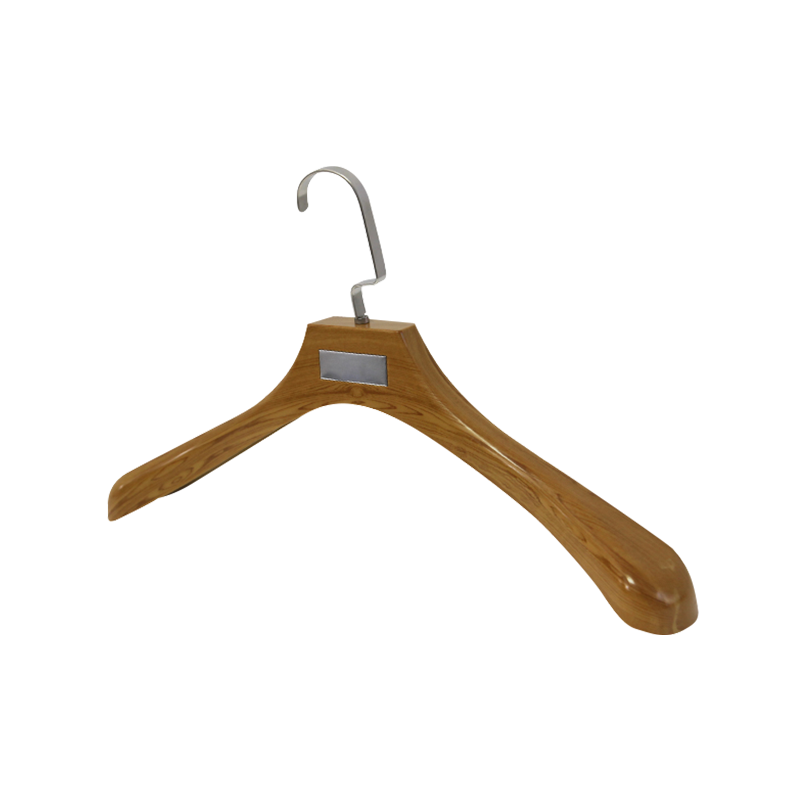
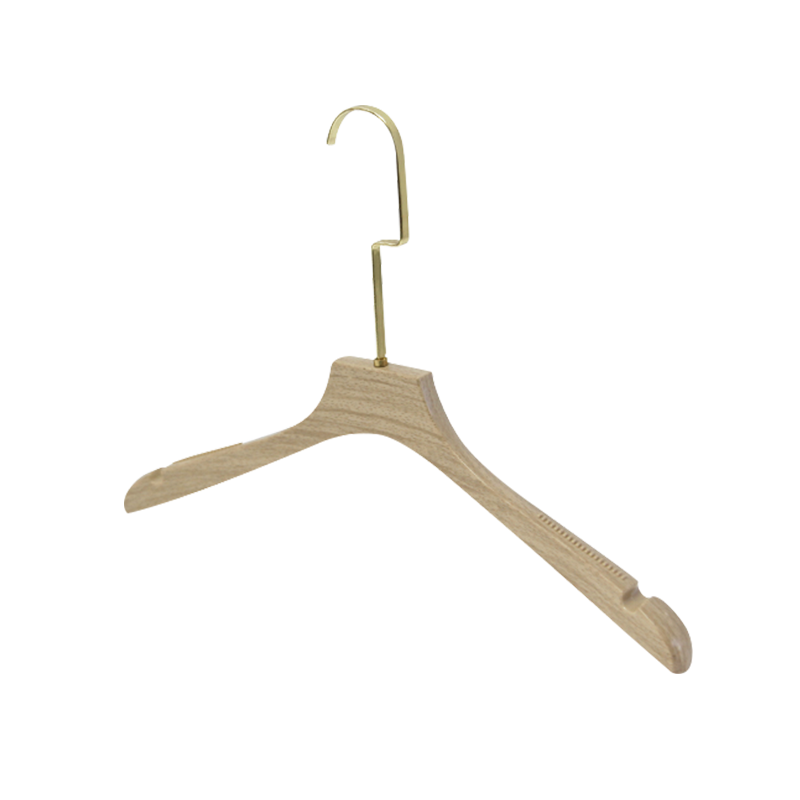
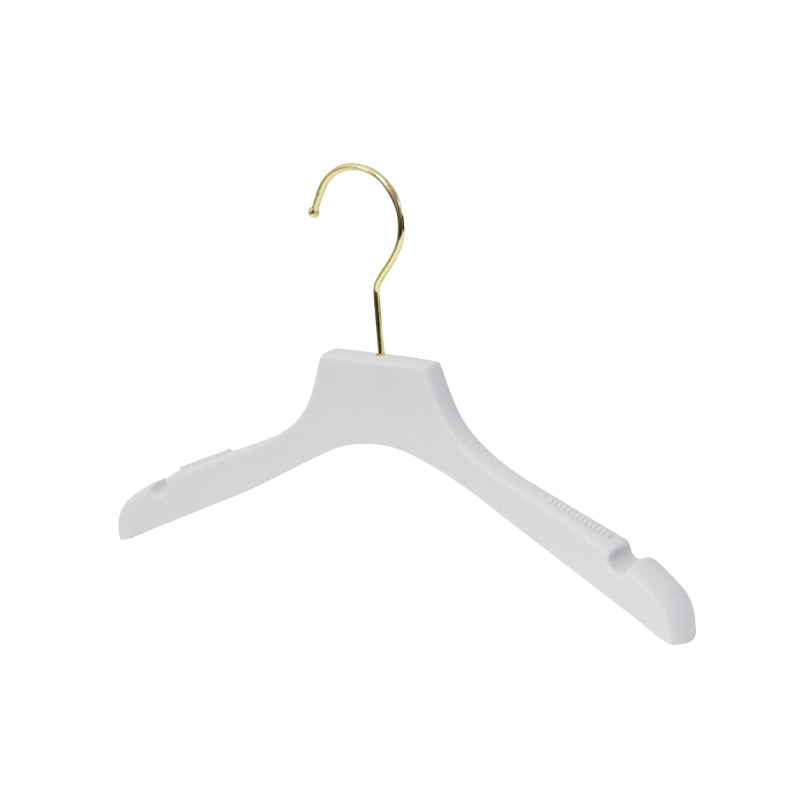
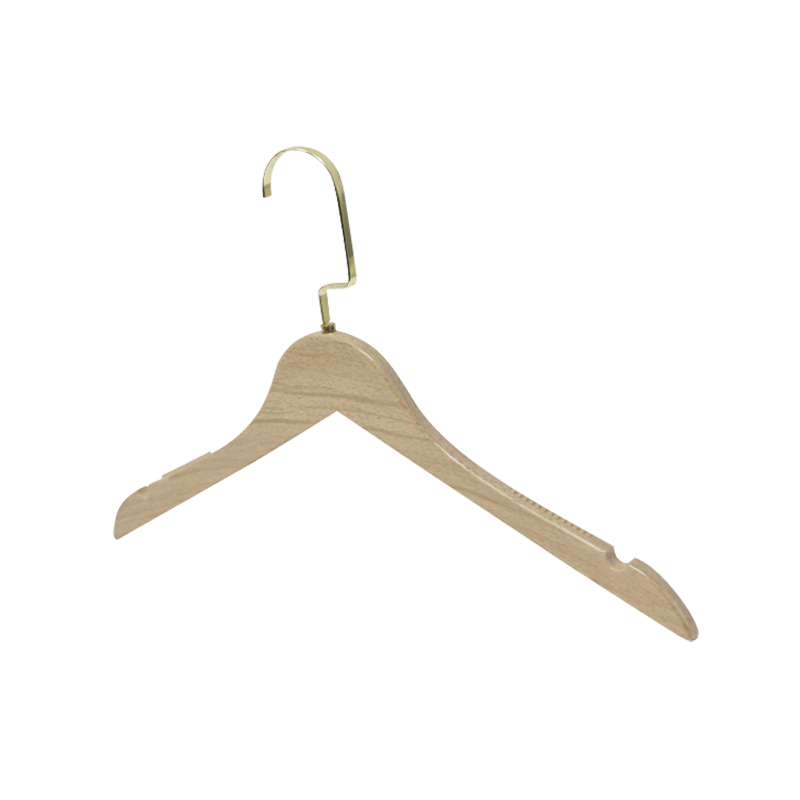
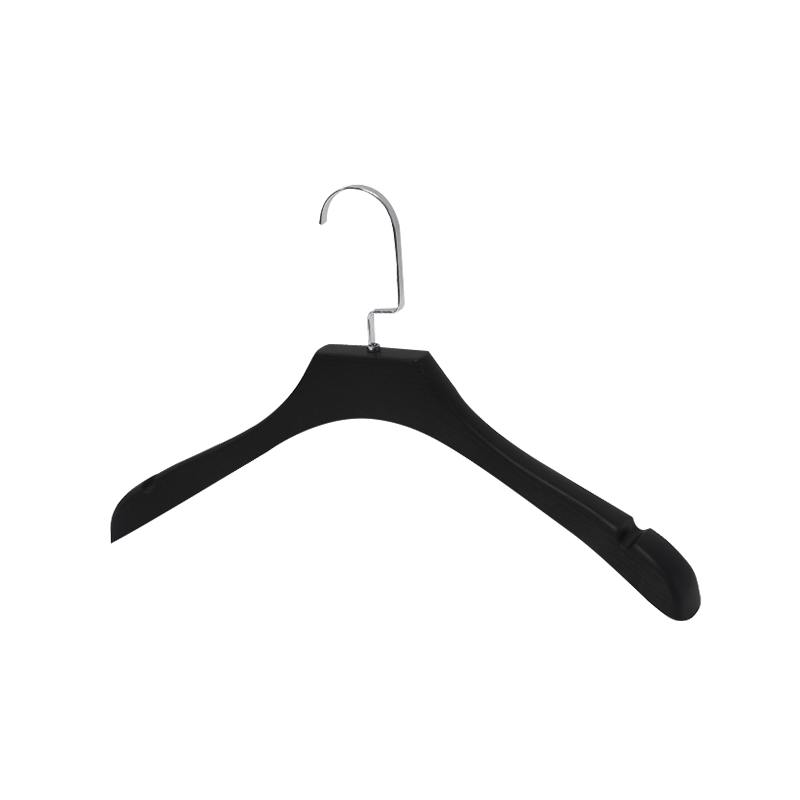
Classic Style Wooden Metal Hook Hanger
Product features:
1. Solid wood material: This coat hanger is made of high-quality solid wood material to ensure t...
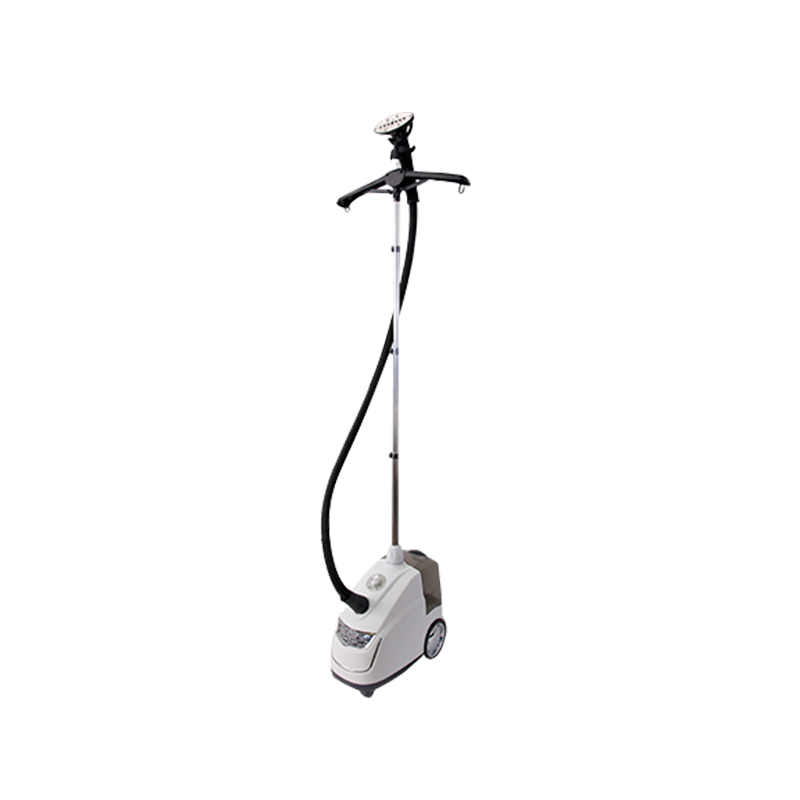
Proper maintenance significantly extends the operational life of upright garment steamers, which typically range from 3 to 10 years depending on usage frequency, water quality, and maintenance consistency.
Descaling and mineral deposit management
Mineral deposits from hard water are the primary cause of reduced performance and component failure in steamers. Scale accumulates inside the steam generator, heating element, and steam head, reducing heat transfer efficiency and eventually blocking steam outlets.
Descaling frequency: Every 3 to 6 months for areas with hard water; every 6 to 12 months for soft water areas. More frequent use requires more frequent descaling.
Descaling methods:
Vinegar solution: Mix equal parts white vinegar and water. Fill tank, operate steamer for 5–10 minutes to distribute solution, then allow to sit for 30–60 minutes. Rinse thoroughly with clean water. Repeat if the scale remains.
Commercial descaling products: Follow manufacturer instructions. Citric acid-based descalers are effective and leave no residue when properly rinsed.
Steam generator cleaning: Some units have removable steam generators or access ports for descaling. Refer to the manufacturer's instructions for specific procedures.
Prevention: Use distilled or demineralized water in hard water areas. Distilled water contains no minerals, eliminating scale formation. However, some manufacturers recommend tap water for specific models; check product documentation.
Water tank care
Empty after each use: Standing water promotes bacterial growth and mineral concentration. Empty the tank and allow it to air dry with the cap open.
Periodic sanitization: Fill the tank with water and a small amount of bleach (1 teaspoon per liter) or vinegar. Allow to sit for 30 minutes, then rinse thoroughly. Perform every 2–3 months or if odors develop.
Check for cracks: Inspect the tank for leaks or cracks during each fill. Replace damaged tanks to prevent water damage to the unit.
Steam head and hose maintenance
Steam outlet cleaning: Mineral deposits may block steam holes. Use a pin or paper clip to clear individual holes. Do not enlarge holes.
Hose inspection: Check for kinks, cracks, or signs of wear. Steam hoses are typically silicone with braided reinforcement. Replace hoses showing bulges, cracks, or stiffness.
Condensation management: After use, hold the steam head above the unit to allow remaining steam to escape and condensation to drain back into the tank. This prevents water accumulation in the hose.
General care
Exterior cleaning: Wipe with a damp cloth. Avoid abrasive cleaners that may damage finishes.
Cord management: Store cord loosely coiled. Do not wrap tightly around the unit, which can damage internal connections.
Proper storage: Allow unit to cool completely before storing. Store in upright position with water tank empty. Do not place items on top of the unit.
Wheel and base maintenance: Check casters or wheels for debris. Clean with a damp cloth. Lubricate if specified by the manufacturer.
What safety features and considerations should I evaluate when purchasing an upright garment steamer?
Upright garment steamers generate high-temperature steam and operate with electrical components in proximity to water. Safety features and proper usage practices are essential for preventing accidents and ensuring safe operation.
Essential safety features
Automatic shut-off: Units should automatically power off after a period of inactivity (typically 10–30 minutes) to prevent overheating and reduce fire risk. Some units also shut off if the water tank is empty.
Thermal fuse or overload protection: Prevents the heating element from operating if the temperature exceeds safe limits. Thermal fuses are one-time protection devices that require service if activated.
Stable base design: The base should have a sufficiently wide footprint (typically 30–40 cm diameter) to prevent tipping. Units with water tanks mounted high require particularly stable bases. Wheels should lock or have sufficient resistance to prevent unintended movement during use.
Steam head rest: A heat-resistant rest or holster on the unit allows safe placement of the hot steam head during use. The rest should be positioned to prevent the steam head from contacting the cord, hoses, or other components.
Cool-touch surfaces: Handles and external surfaces that contact the user should remain cool to the touch during operation. Plastic housings and insulated handles provide protection.
Electrical safety considerations
Grounding: Units should have three-prong grounded plugs. Verify that outlets are properly grounded.
GFCI protection: Use outlets protected by ground fault circuit interrupters (GFCIs), particularly in bathrooms or areas near water sources.
Cord condition: Inspect the power cord regularly for fraying, cuts, or damage. Do not use units with damaged cords.
Water exposure: Keep electrical components away from water. Do not immerse the base unit in water. Wipe spills immediately.