
 Language
  English
 中文简体
中文简体 Español
 русский
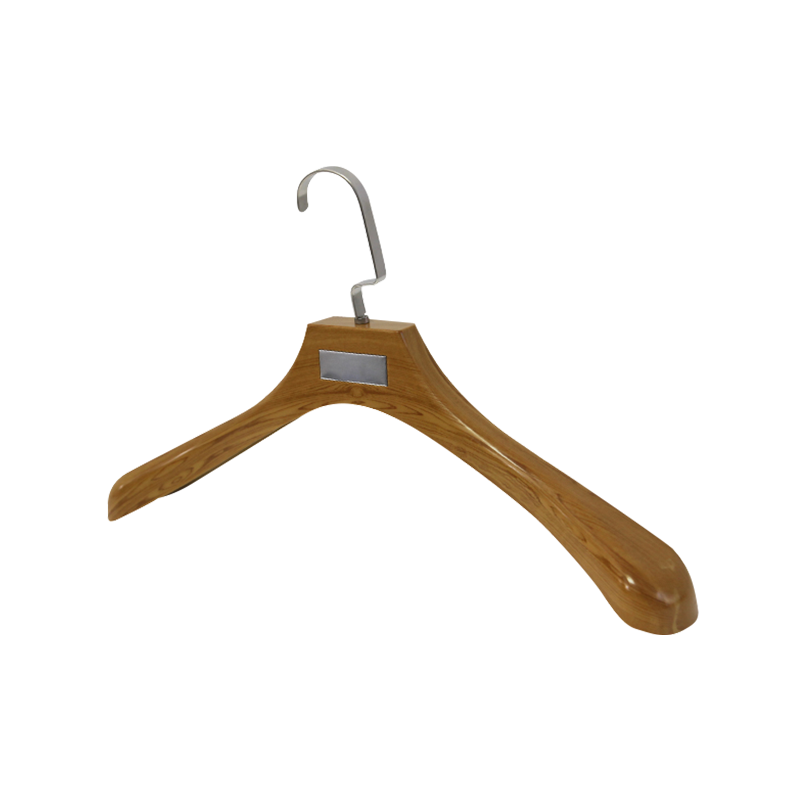
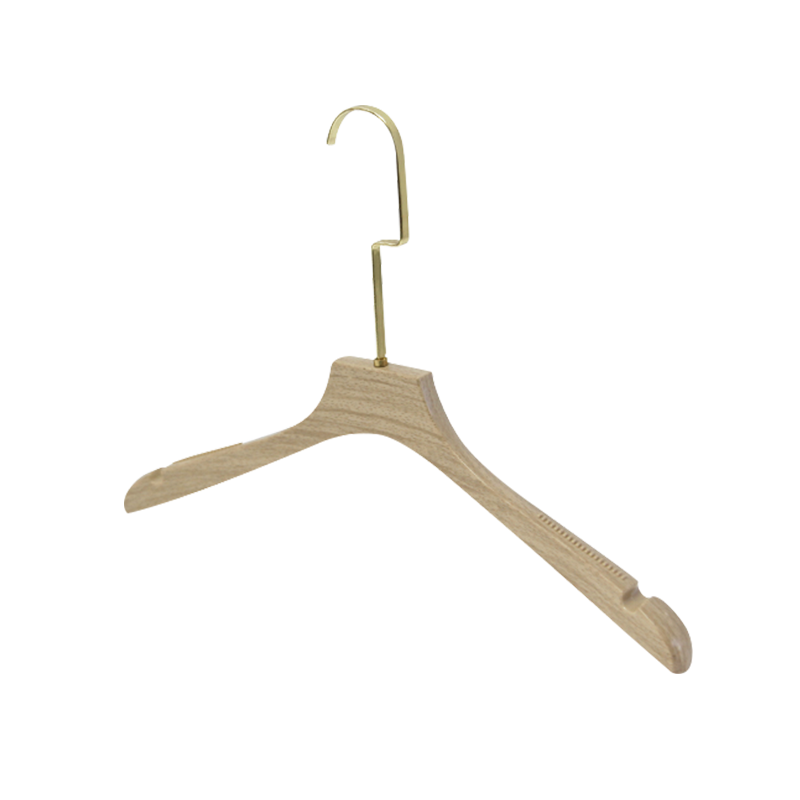
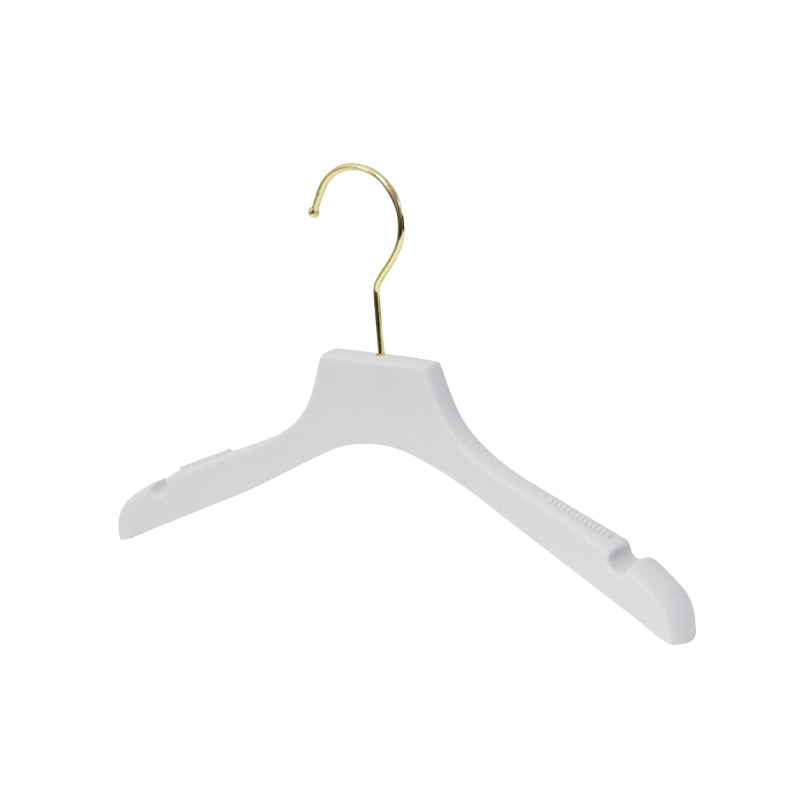
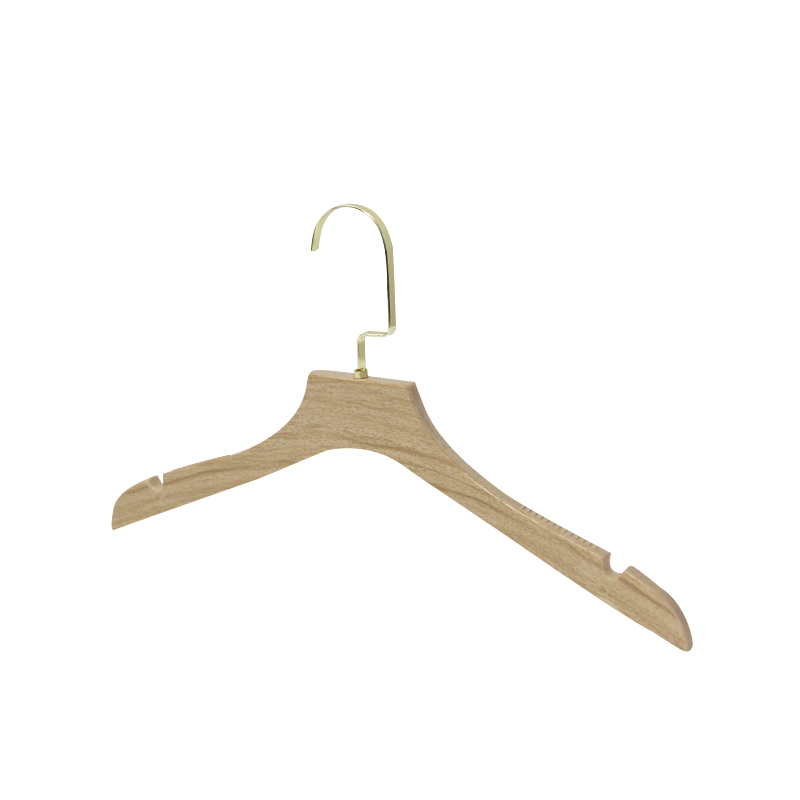
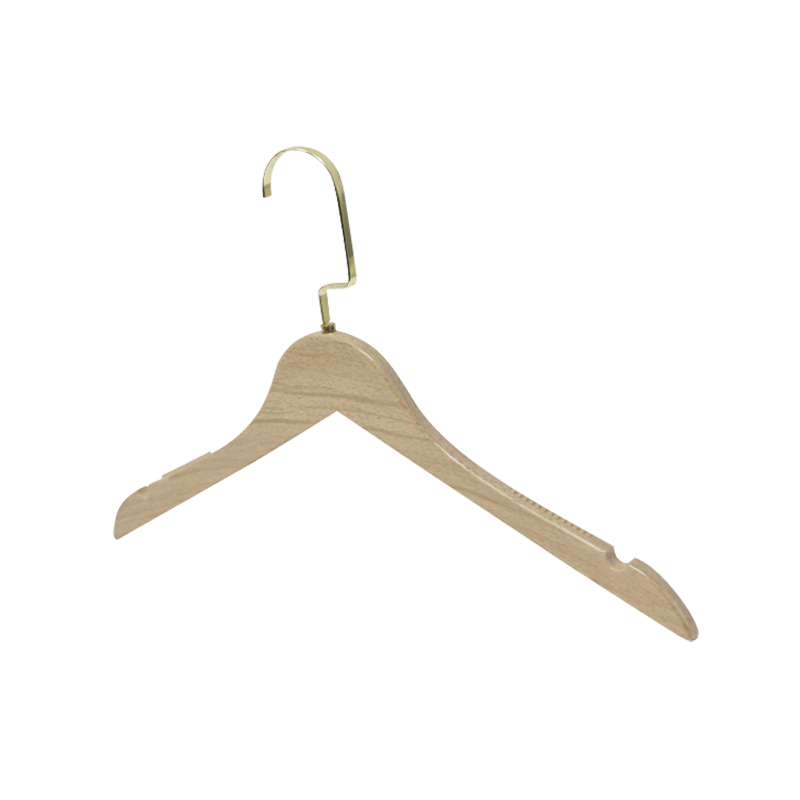
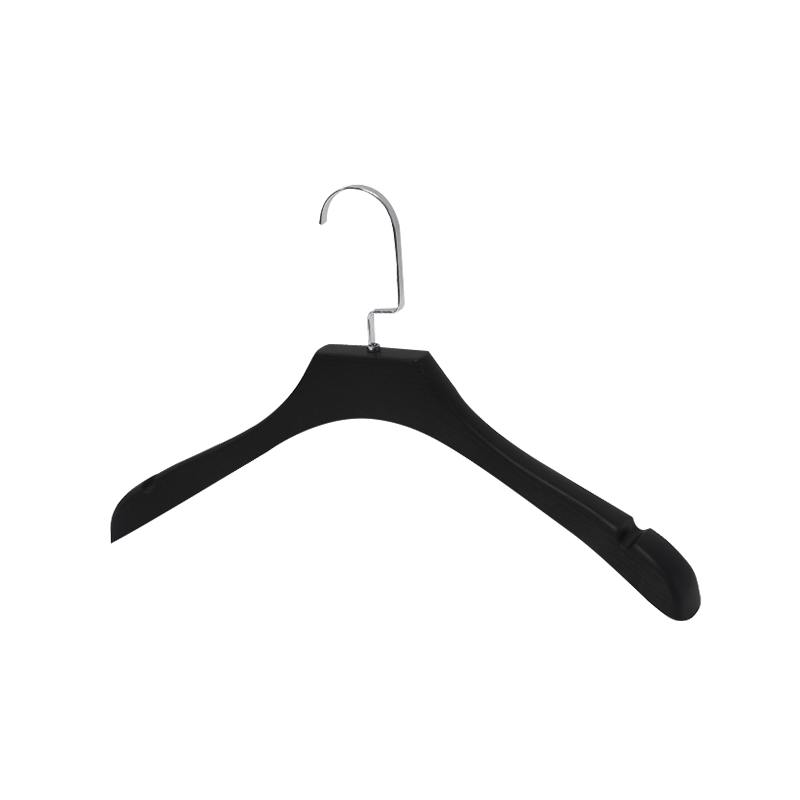
Classic Style Wooden Metal Hook Hanger
Product features:
1. Solid wood material: This coat hanger is made of high-quality solid wood material to ensure t...
Vertical electric steamers factory are classified by their intended application, capacity, steam generation method, and control features. Each type is designed for specific garment care environments ranging from home use to industrial textile finishing.
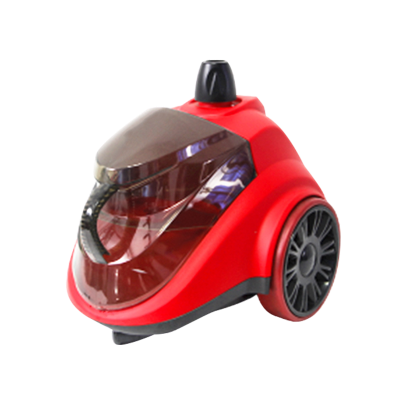
Handheld Garment Steamer: Portable unit with a small water tank (150–300 milliliters) and a steam head mounted on a short flexible hose or directly integrated. Used for quick touch-ups, travel, and small garment areas. Heats up in 20–60 seconds. Steam output typically 15–30 grams per minute.
Upright Garment Steamer (Floor Standing): Features a water tank (1–5 liters) mounted on a wheeled base with a telescopic pole supporting a steam head. Designed for home or professional use. Provides continuous steam for 30–120 minutes per fill. Steam output ranges from 30 to 100 grams per minute. May include adjustable steam settings and fabric-specific programs.
Professional/Industrial Steamer: High-capacity unit with water tanks of 5–20 liters, often with continuous fill capability (direct water connection). Steam output: 100–400 grams per minute. Used in dry cleaning establishments, fashion retail, and textile manufacturing. Features robust construction, commercial-grade heating elements, and often includes steam guns or multiple output points.
Vertical Steam Press: Combines a vertical steaming surface with pressing capabilities. The fabric is stretched vertically, and a heated press plate is applied to create crisp finishes. Used for shirts, trousers, and delicate fabrics where a pressed appearance is required.
Fabric Steamer with Ironing Board: An integrated system where a vertical steamer is combined with a specialized board that allows steaming in both horizontal and vertical orientations. Provides versatility for home users who require both steaming and traditional ironing functions.
Commercial Curtain and Upholstery Steamer: High-output unit designed for cleaning and refreshing curtains, drapes, and upholstery. Features extended hose lengths (3–10 meters) and specialized attachments such as fabric brushes and creaser tools.
Multifunction Steamer: Combines garment steaming with additional functions such as fabric sanitization, allergen reduction, and wrinkle removal. May include digital controls, automatic shut-off, and variable steam settings. Common in residential applications.
Steamer with Gravity Feed: Uses gravity to supply water from an elevated reservoir to the steam generator. Provides consistent water pressure without pumps. Common in professional units where continuous operation is required.
Steamer with Pump Feed: Incorporates an electric pump to deliver water to the steam generator. Allows water tank placement below the steam head. Enables continuous steam even when the water tank is lower than the steam head.
Material Characteristics of Vertical Electric Steamers
Stainless Steel (Steam Generator): The boiler or steam generator is typically 304 stainless steel (18/8 chromium-nickel). Resists corrosion from high-temperature water and steam. Thickness ranges from 0.8 to 2.5 millimeters, depending on pressure rating. Stainless steel withstands thermal cycling without cracking. Provides longevity in both residential and commercial units.
Aluminum (Steam Generator): Used in lower-cost units. Aluminum heats quickly and transfers heat efficiently. More susceptible to corrosion over time, particularly in areas with hard water. Scale buildup accelerates corrosion. Aluminum generators typically have shorter service life than stainless steel equivalents.
Polypropylene (Water Tank): Common for removable water tanks. Polypropylene is lightweight, transparent or translucent, and resistant to hot water temperatures (typically up to 100°C). Does not leach chemicals into water. Tanks often include molded handles and fill ports. Material does not corrode or scale internally.
Silicone (Hoses and Seals): Steam hoses are constructed from silicone with braided reinforcement (polyester or fiberglass). Silicone withstands continuous operating temperatures of 150–200°C. Remains flexible after repeated heating and cooling cycles. Seals and gaskets are also silicone-based for temperature resistance.
Aluminum (Steam Head Housing): Many steam heads use aluminum construction for lightweight operation and heat distribution. Powder-coated or anodized finishes provide corrosion resistance and comfortable handling. Aluminum dissipates heat quickly, preventing the steam head from becoming too hot to handle.
Polycarbonate (Steam Head Housing): Used in some consumer units. Polycarbonate is impact-resistant, lightweight, and does not conduct heat, keeping the exterior cool to the touch. May discolor over time with exposure to high temperatures. Less durable than metal housings in commercial applications.
Brass (Heating Elements and Fittings): Heating element sheaths are often copper or brass for thermal conductivity. Fittings and connections in steam systems use brass for corrosion resistance and dimensional stability. Brass components are typically chrome-plated for exterior applications.
Teflon (Steam Head Face): The steam-emitting surface often has a Teflon (PTFE) coating. PTFE provides non-stick properties, allowing the steam head to glide over fabrics without catching. Resists heat degradation and is chemically inert. Some professional units use sintered metal steam plates for durability.