
 Language
  English
 中文简体
中文简体 Español
 русский
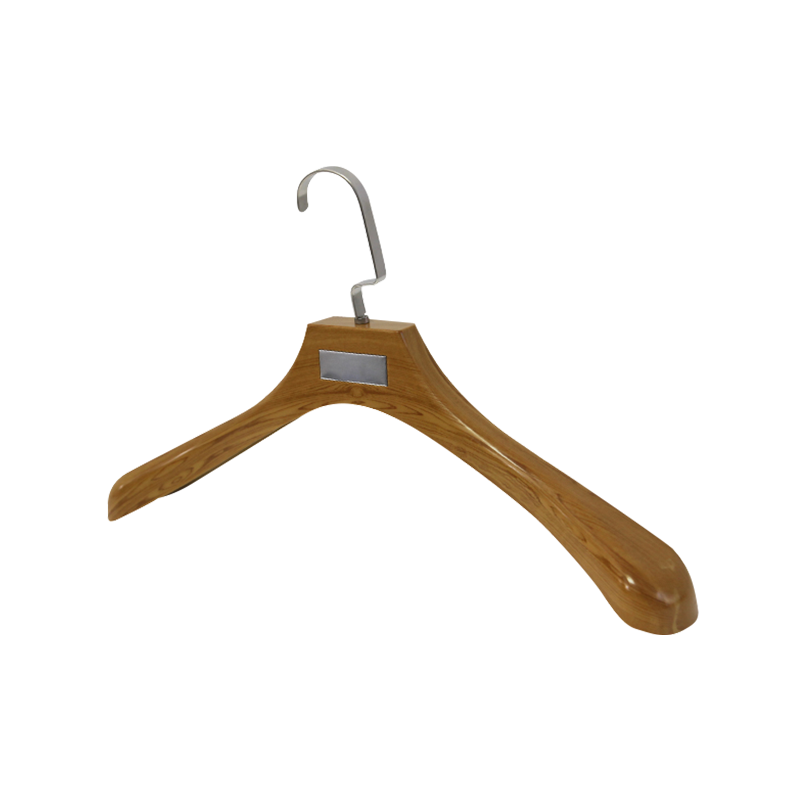
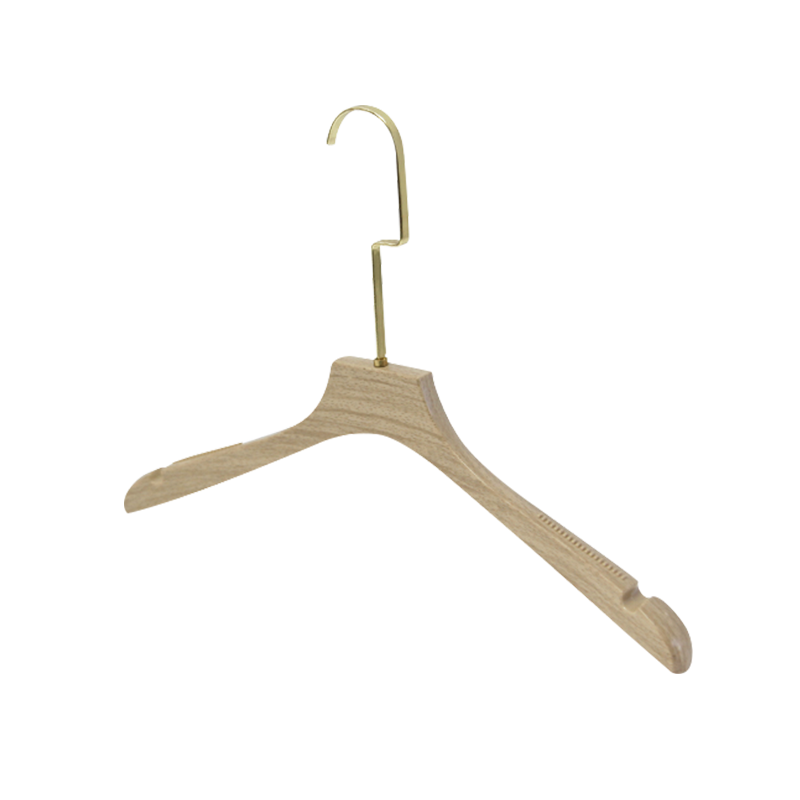
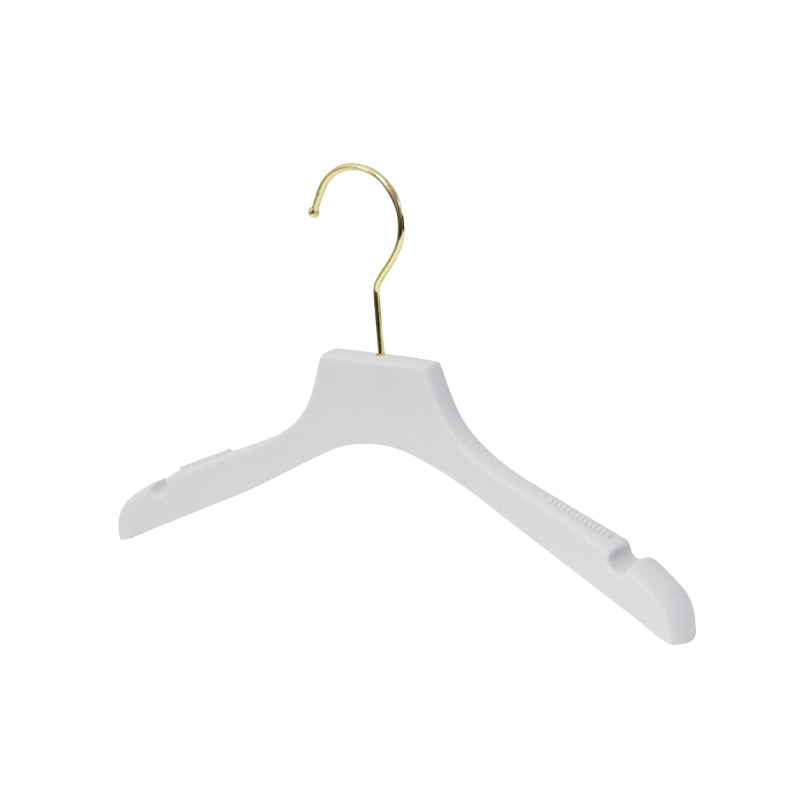
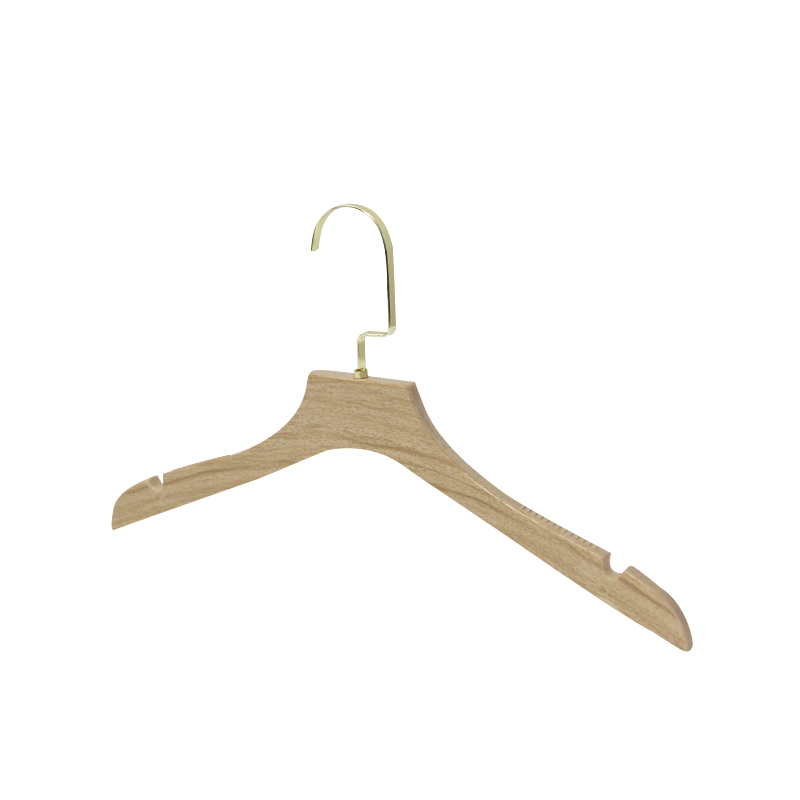
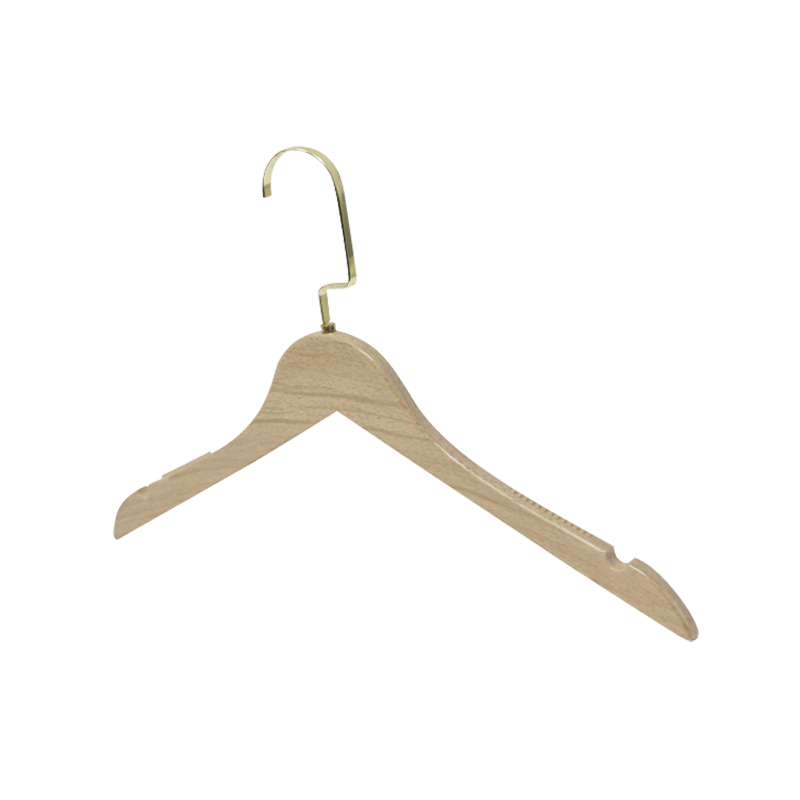
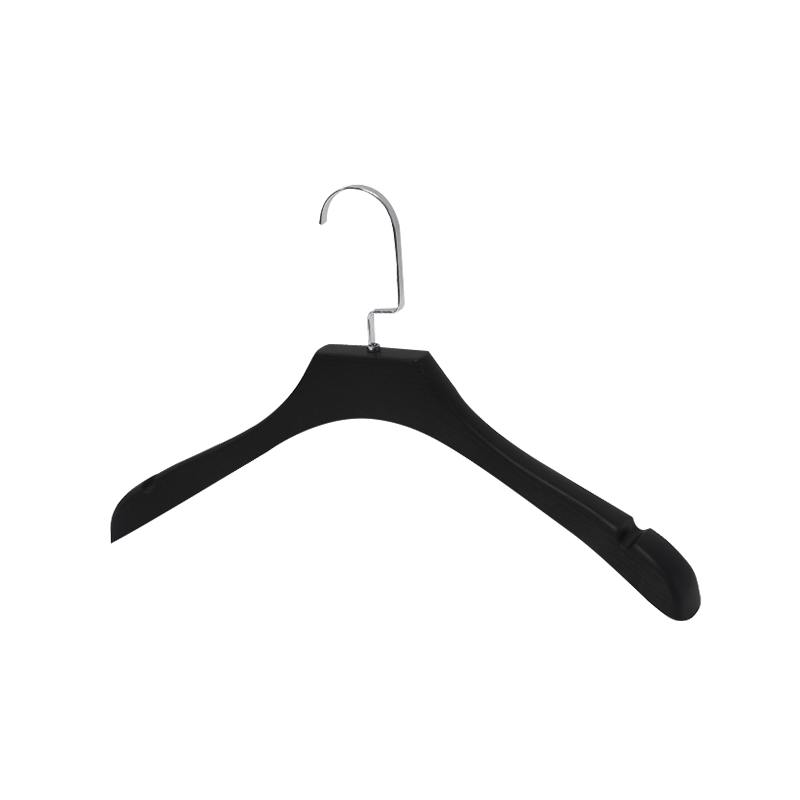
Classic Style Wooden Metal Hook Hanger
Product features:
1. Solid wood material: This coat hanger is made of high-quality solid wood material to ensure t...
Technical Design and Operational Mechanism
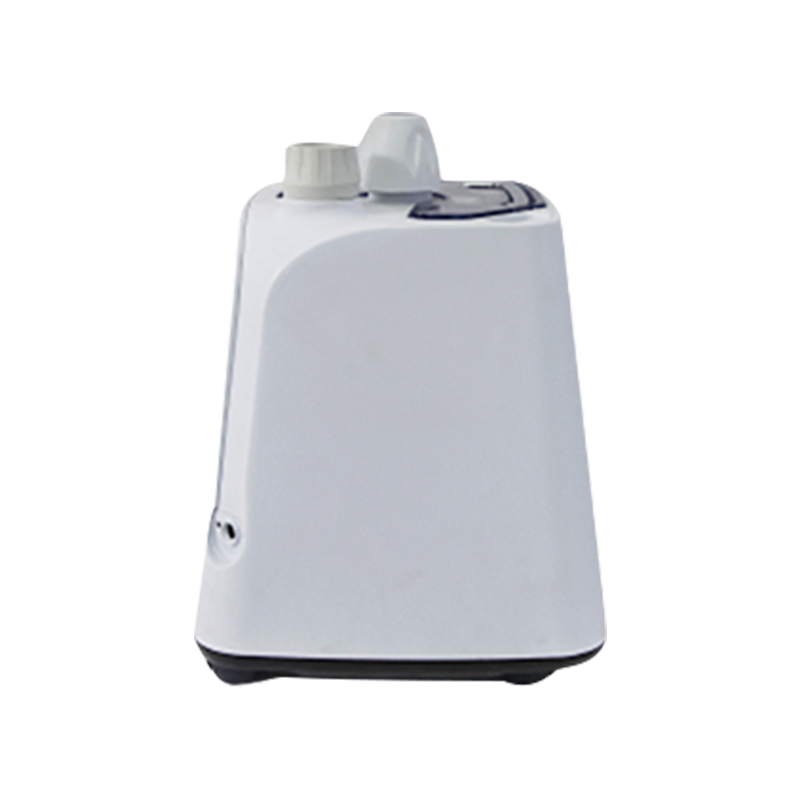
From an engineering standpoint, a Vertical Clothes Steamer is a simple yet precise system for converting electrical energy into controlled steam. Its core components are a water reservoir, a heating element/boiler, an insulated hose, and a handheld nozzle. The heating element brings the water to a boil, producing steam that is pressurized within the boiler. This pressure forces the steam through the hose to the nozzle, where a trigger or button controls its release. Key design parameters include the heat-up time, steam output rate (measured in grams per minute), and continuous steam duration, which depends on the reservoir's capacity. The appliance's effectiveness hinges on its ability to generate a consistent, sufficiently hot jet of steam to penetrate fabric fibers quickly. Safety features, such as automatic shut-off and drip-prevention systems, are also integral to its technical design.
Practical Application in Fabric Care and Treatment
This perspective focuses on the steamer's direct interaction with textiles and its specific utility in garment care. The primary action is the application of moist heat to relax the hydrogen bonds in fabric fibers, allowing wrinkles to release. The vertical orientation is significant; gravity assists in pulling the fabric straight as it is steamed from top to bottom. This method is particularly effective for delicate and textured fabrics—such as silk, velvet, chiffon, and embroidered materials—that could be damaged or flattened by the direct pressure of an iron. It is also useful for finished garments like suits, dresses, and coats, where steaming can smooth wrinkles without disturbing the structure or creating sharp creases in unwanted places. Furthermore, the steam's heat can reduce allergens and odors, offering a sanitizing effect on items that cannot be frequently laundered, such as drapes or upholstery.
Economic and Spatial Considerations for the User
From a consumer standpoint, the vertical steamer presents a distinct set of practical trade-offs compared to a traditional iron and ironing board. An initial advantage is space efficiency. The steamer requires no permanent ironing board; it needs only a hanging rod or door to operate and can be stored compactly. This makes it suitable for smaller living spaces. In terms of operational cost, it consumes electricity and water, but its simplicity often bring about fewer repair needs compared to more complex irons with digital controls. However, its versatility has limits; it is less effective than an iron for creating sharp, permanent creases (e.g., on dress shirt fronts or pleated trousers). Therefore, for many users, it serves as a complementary tool rather than a complete replacement, representing a specific investment within a household's overall laundry toolkit.
Role in Textile Maintenance Routines and Convenience
This perspective examines how the steamer integrates into daily or weekly habits of clothing upkeep. Its role is often that of a refreshing and quick-fix tool. It is commonly used to remove wrinkles from clothing that has been stored in a closet, packed in a suitcase, or worn for a short period, extending the time between washes. The speed and ease of use are defining factors; with no board to set up, users can often steam a garment in a few minutes with minimal physical effort, as it does not require the pushing and pressing motion of ironing. This convenience supports its use for last-minute grooming and for maintaining a wider wardrobe of garments that are not laundered after every wear. In commercial settings like retail clothing stores or costume departments, its role is indispensable for quickly preparing multiple garments for display or wear without the risk of damage from excessive heat or pressure.