
 Language
  English
 中文简体
中文简体 Español
 русский
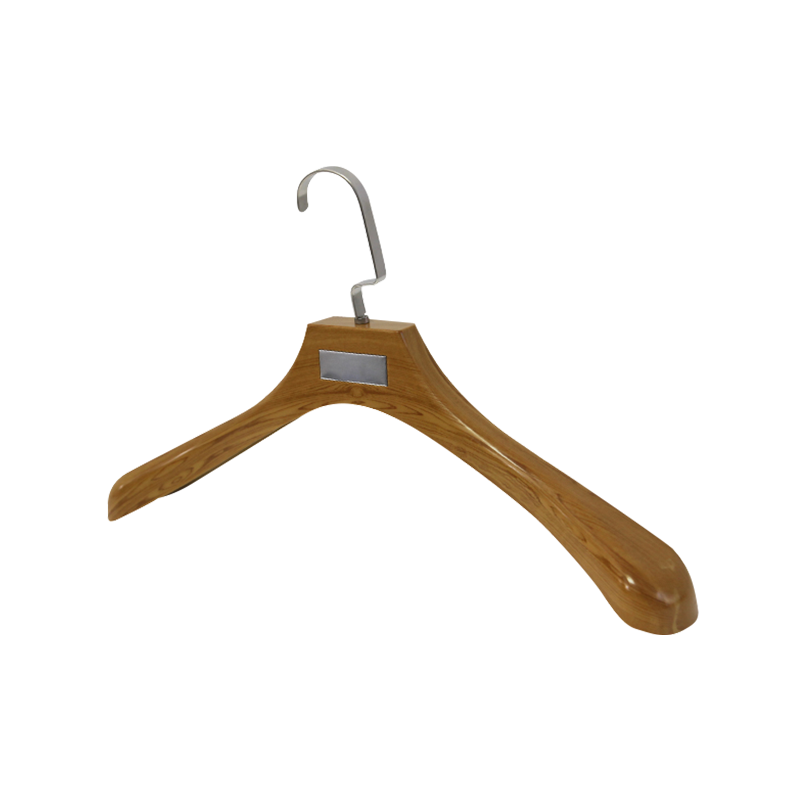
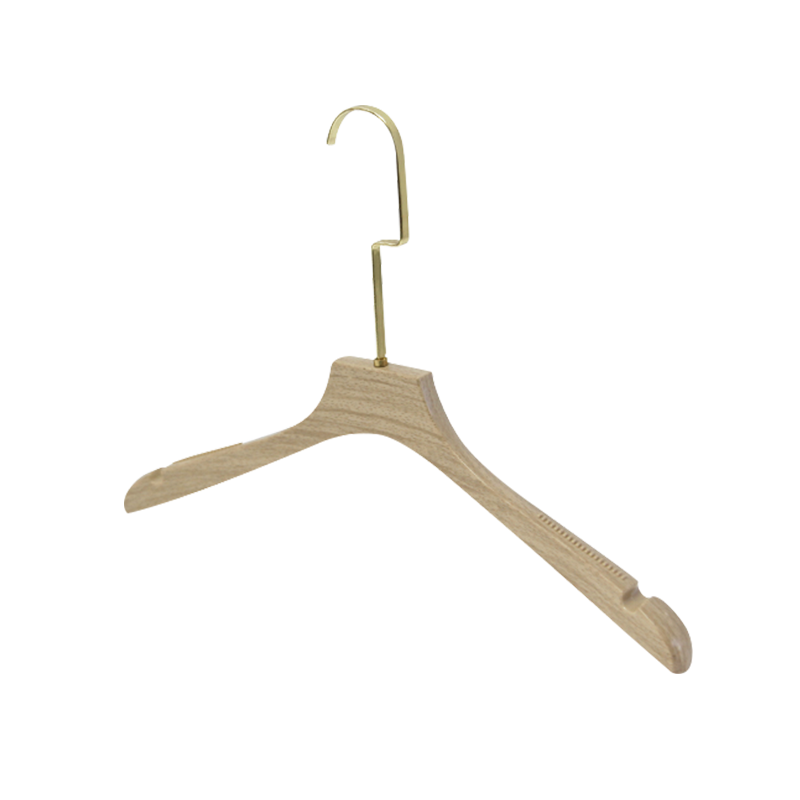
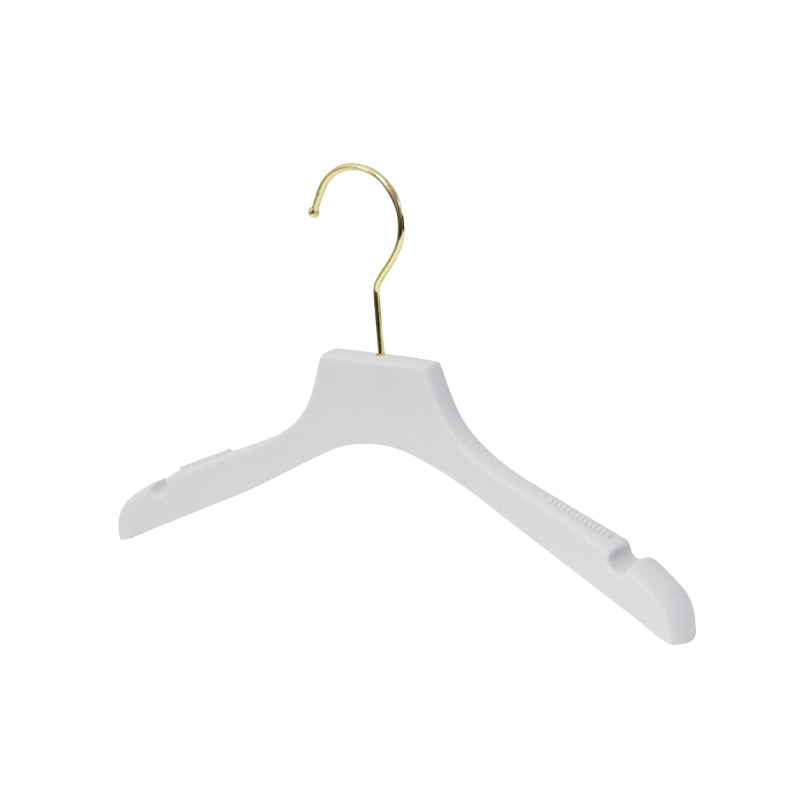
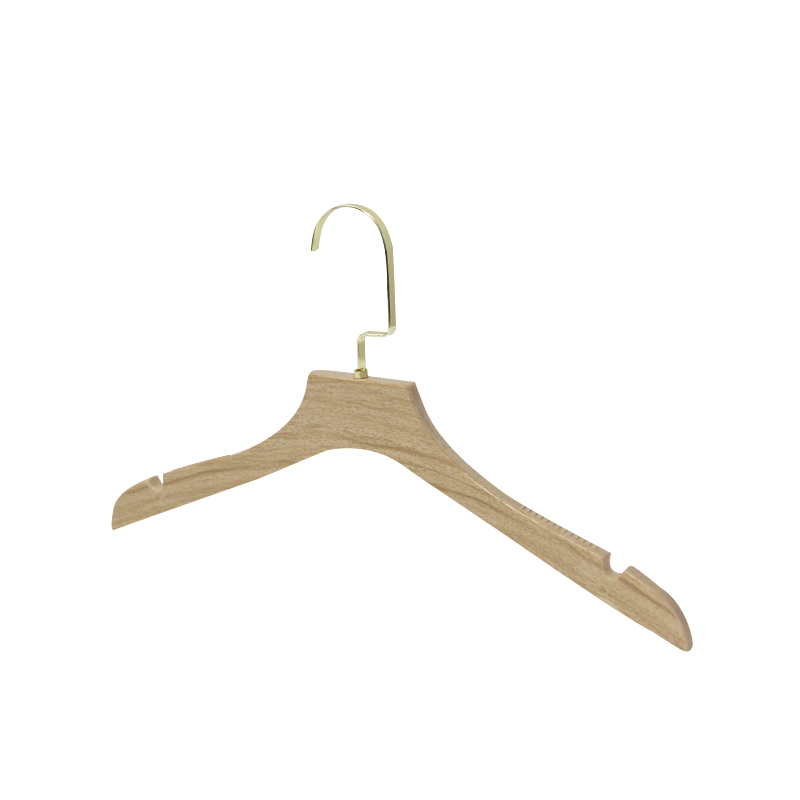
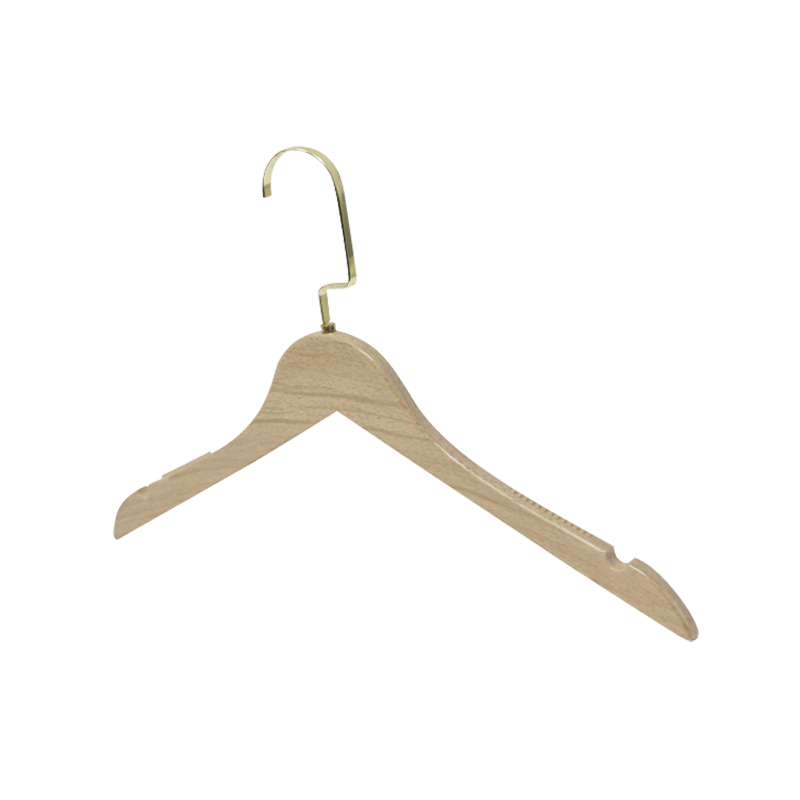
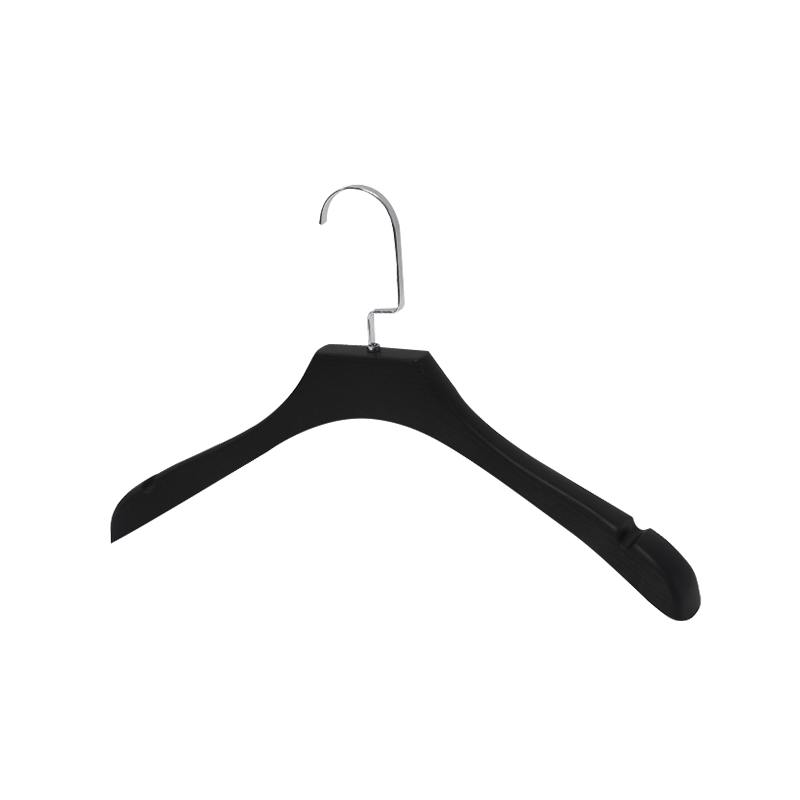
Classic Style Wooden Metal Hook Hanger
Product features:
1. Solid wood material: This coat hanger is made of high-quality solid wood material to ensure t...
Safety is a primary public concern because steamers involve hot water and high-temperature steam. Vertical garment steamers are generally designed with safety features, but proper use is essential to reduce risk.
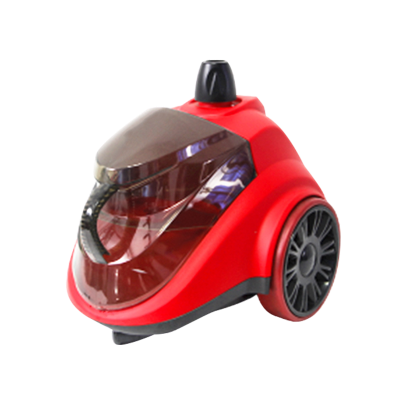
Key safety considerations include:
Automatic shut-off: Many models include an auto shut-off function that activates when the water level is low or when the steamer overheats.
Stable base design: Taller steamers require a stable base to prevent tipping, especially when used on uneven floors or near children.
Heat insulation: Steam handles and hoses are often designed with insulation to prevent burns during operation.
Proper distance from fabric: Steam should be applied at a safe distance to avoid hot water spray or damage to delicate fabrics.
Vertical garment steamers are considered safe when used according to manufacturer instructions, including filling water to the recommended level, using the correct voltage, and keeping the unit away from children and pets.
Effectiveness is a common concern as consumers want to know whether steamers can replace traditional irons. Vertical garment steamers are effective for removing wrinkles, especially on delicate fabrics such as silk, polyester, and wool blends. They work by softening fabric fibers with steam, allowing wrinkles to relax without direct contact.
However, steamers may be less effective on heavy or structured fabrics such as denim or thick cotton. For these materials, an iron may provide better results because it applies direct pressure in addition to heat.
Better for: delicate fabrics, curtains, suits, and garments that are difficult to iron.
Less effective for: thick fabrics and crisp finishes that require pressing.
Steamers are a practical complement to irons rather than a complete replacement in all scenarios. Many households use both tools depending on fabric type and garment requirements.
Energy efficiency is increasingly important as consumers seek to reduce electricity use. Vertical garment steamers generally consume power during heating and steaming, but their efficiency depends on usage patterns and model design.
Steamers typically heat water quickly and can be used for short periods, which may result in lower energy consumption compared with long ironing sessions. Models with rapid heat-up times and good steam output can complete tasks faster, reducing total energy use.
However, continuous steaming for extended periods can consume significant energy, especially in high-power models. Energy efficiency can be improved by selecting a steamer with appropriate power for the intended use and using it in short, targeted sessions rather than prolonged operation.
What About Maintenance and Durability?
Maintenance and durability are common public concerns because steamers involve water and heating components that can be affected by mineral buildup. The long-term performance of vertical garment steamers depends on proper care and the quality of internal materials.
Key maintenance considerations include:
Descaling: In areas with hard water, mineral deposits can build up in the heating element and steam pathways. Regular descaling helps maintain steam output and prevents clogging.
Water quality: Some manufacturers recommend using distilled or filtered water to reduce mineral buildup.
Cleaning the steam head: Residue from fabric or water can affect steam flow; cleaning the steam head periodically helps maintain performance.
Storage: Proper storage prevents damage to the hose and steam head.
Durability varies by model and brand, but steamers with metal components and reinforced hoses generally offer longer service life. Regular maintenance helps protect internal parts and ensures consistent performance over time.