
 Language
  English
 中文简体
中文简体 Español
 русский
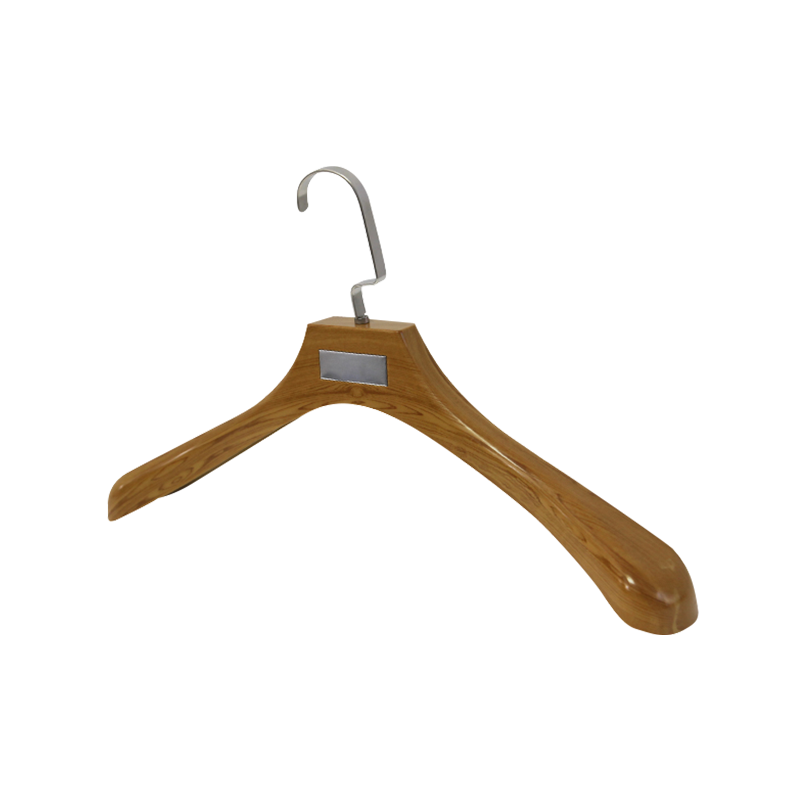
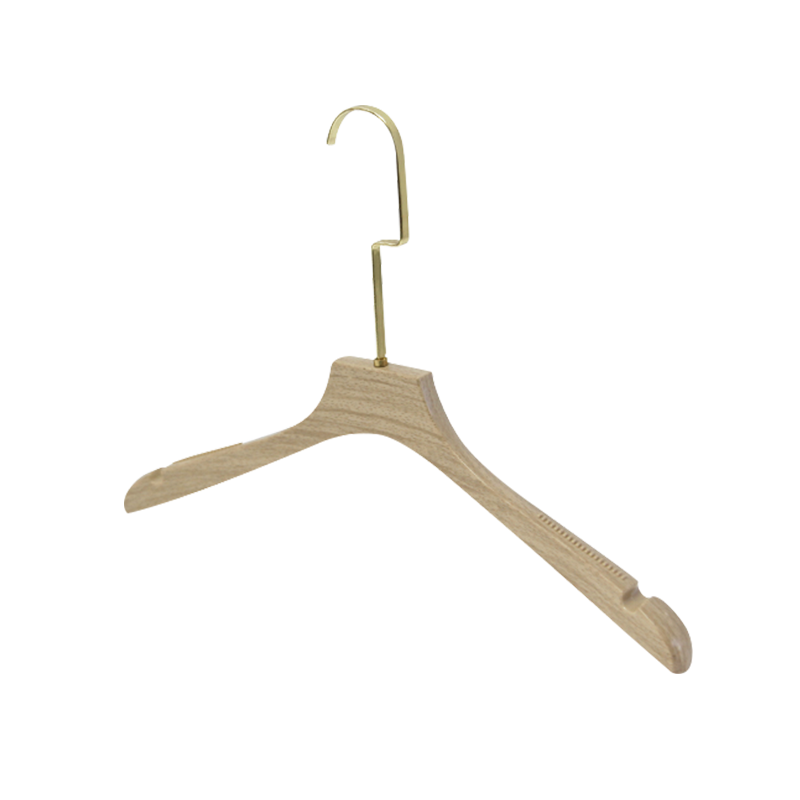
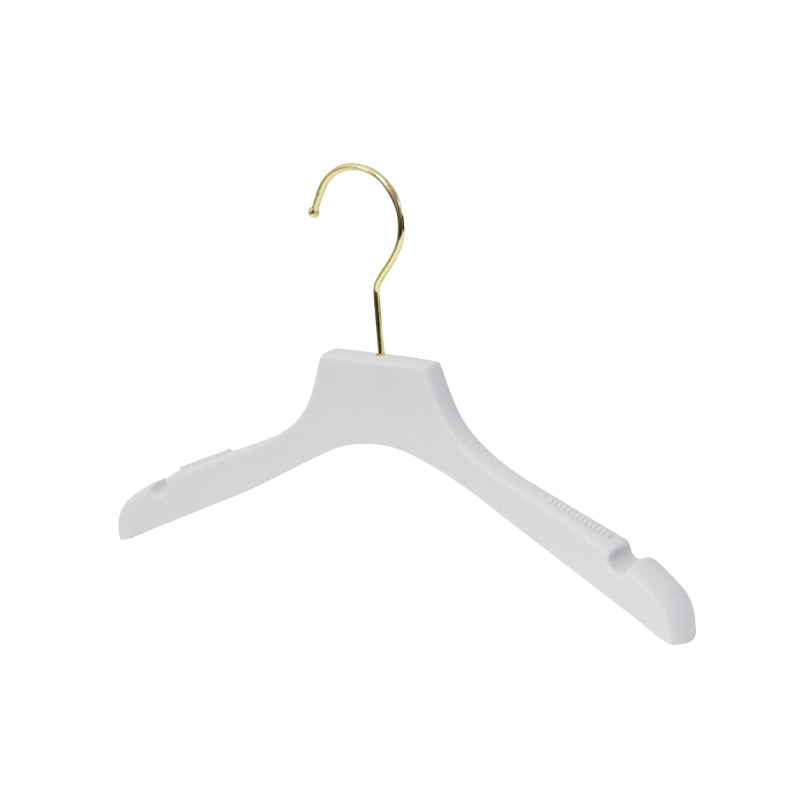
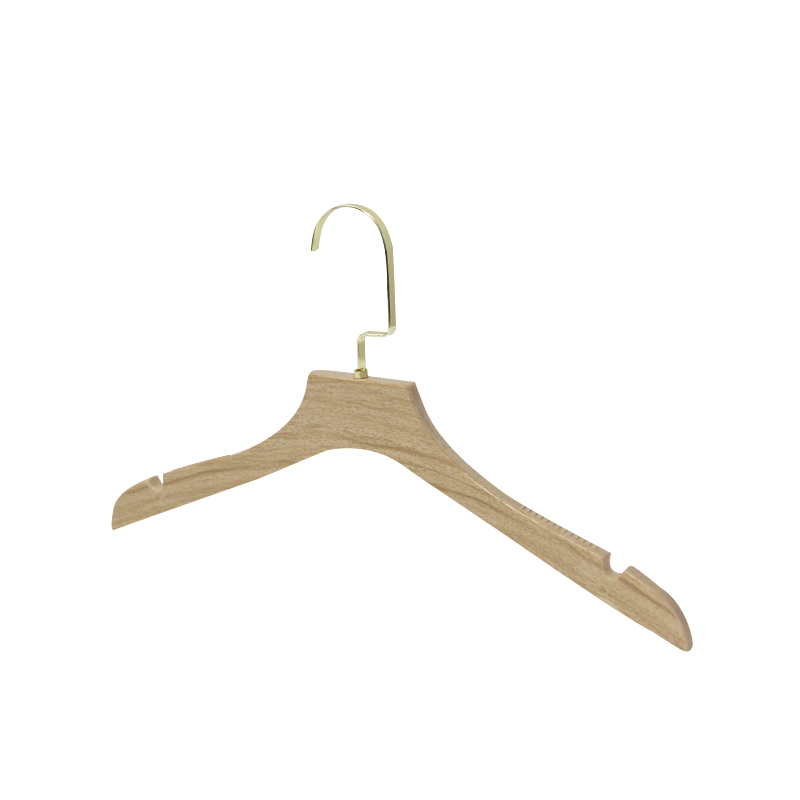
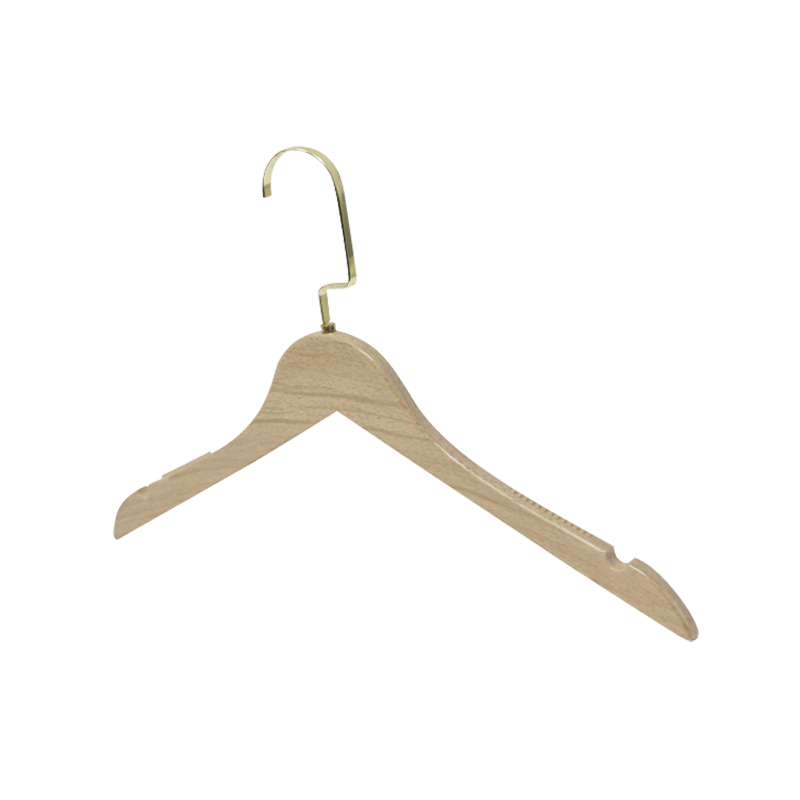
Classic Style Wooden Metal Hook Hanger
Product features:
1. Solid wood material: This coat hanger is made of high-quality solid wood material to ensure t...
Operational Principles and Fabric Compatibility (Based on General International Standards)
Steam Generation and Temperature Control Mechanisms
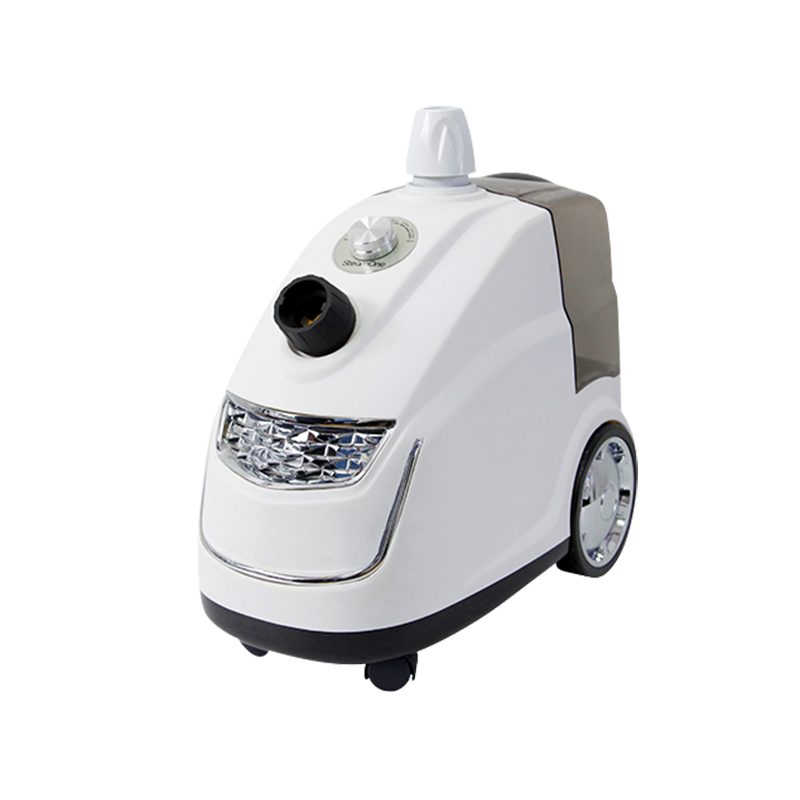
The home upright garment steamer consists of a water tank (typically 1.0 to 2.5 liters capacity), a heating element (800 to 1,800 watts), and a flexible hose terminating in a steam nozzle. When the device is switched on, the heating element raises the water temperature to boiling point (100°C at sea level atmospheric pressure). The heating chamber is designed to produce saturated steam, meaning water vapor at 100°C with no superheating. A thermostat cycles the heating element on and off to maintain continuous steam production; the off period typically lasts 15 to 30 seconds every 2 to 3 minutes of operation. The steam pressure inside the chamber ranges from 0.01 to 0.05 MPa (0.1 to 0.5 bar) above atmospheric, sufficient to propel steam through the hose but not enough to cause the hose to rupture. Most units require a warm-up period of 45 to 90 seconds from cold start to first steam emission, depending on ambient temperature and water volume.
Fabric Treatment Guidelines Under ISO and ASTM References
For woven cotton and linen fabrics, the steamer nozzle should be held 5 to 10 cm from the fabric surface. The steam relaxes cellulose fibers by breaking the hydrogen bonds that hold wrinkles in place. The recommended steam exposure time is 3 to 5 seconds per area of approximately 30 cm × 30 cm. Longer exposure (above 8 seconds) oversaturates the fabric, leaving visible water droplets that require 10 to 20 minutes of air drying. For silk and wool, the nozzle distance increases to 10 to 15 cm, and exposure time reduces to 2 to 3 seconds. These protein fibers absorb moisture more rapidly than cotton; a 5-second steam burst on silk can cause the fabric to become limp and develop a water stain that persists until dry cleaning. Polyester and nylon garments respond to steam at 3 to 4 seconds exposure from a 5 to 8 cm distance. The glass transition temperature of polyester (67°C to 81°C) is below steam temperature, allowing wrinkle release without fiber damage. However, holding steam on a single spot for more than 6 seconds can cause the synthetic fibers to take a permanent set, visible as a glossy patch where the fiber tips have partially melted and re-solidified. For blended fabrics containing elastane (spandex) above 5 percent, reduce exposure to 2 seconds maximum. Elastane degrades under repeated steam cycles: after 20 steaming sessions, a garment with 10 percent elastane may lose 15 to 20 percent of its original stretch recovery.
Water Quality and Scale Management According to Appliance Standards
Tap water contains dissolved minerals, primarily calcium carbonate (CaCO₃) and magnesium carbonate (MgCO₃). When water boils, these minerals precipitate as scale (a white or gray crystalline deposit) on the heating element and inside the steam chamber. A scale layer of 1 mm thickness reduces heat transfer efficiency by 30 to 40 percent, increasing the time required to generate steam and raising electricity consumption by 15 to 25 percent. For water hardness above 120 mg/L (measured as CaCO₃ equivalent), descaling is recommended every 30 to 50 uses. The descaling procedure involves filling the tank with a solution of 50 percent white vinegar (5 percent acetic acid) and 50 percent distilled water, running the steamer for 2 minutes, switching off, and letting it stand for 30 minutes. After draining, the tank is rinsed three times with distilled water, then the steamer is run for 2 minutes with distilled water to remove vinegar residue. Use of distilled or demineralized water for routine operation reduces scale formation by 80 to 90 percent compared to tap water. Rainwater and filtered water from carbon-based home filters (which do not remove dissolved minerals) are not substitutes for distilled water.