
 Language
  English
 中文简体
中文简体 Español
 русский
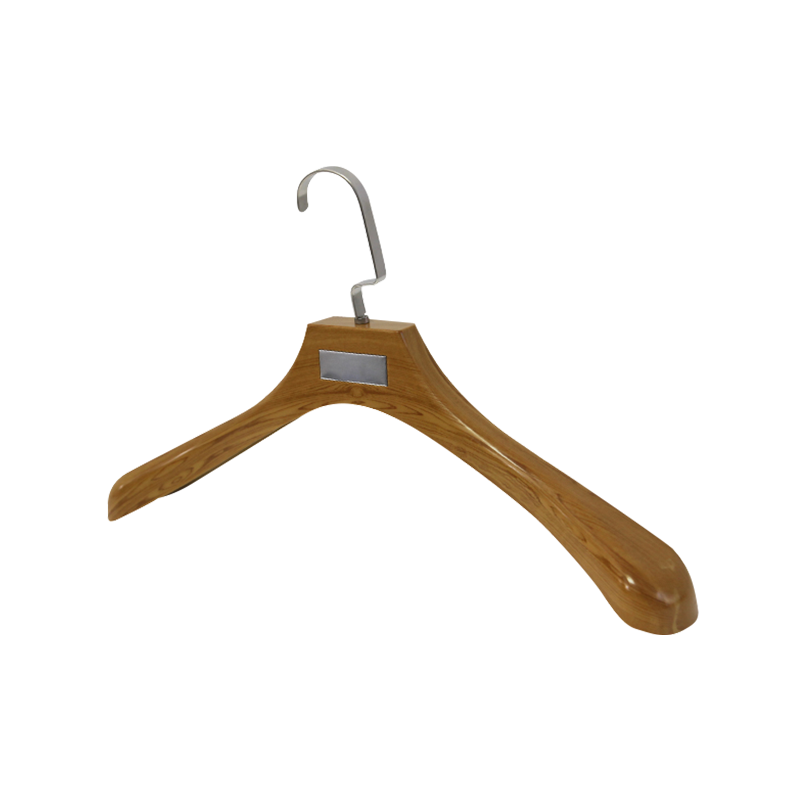
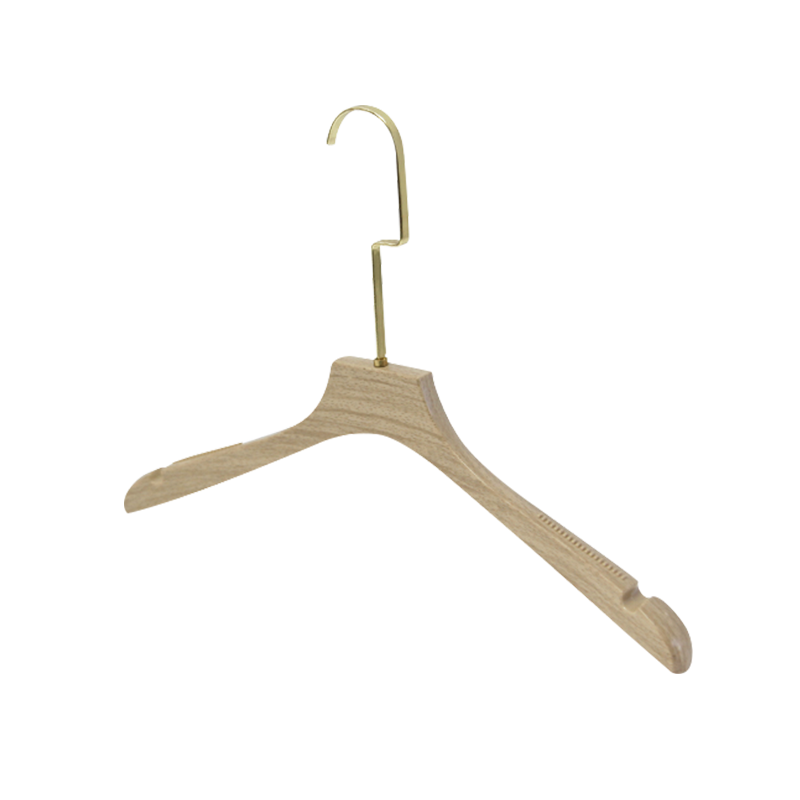
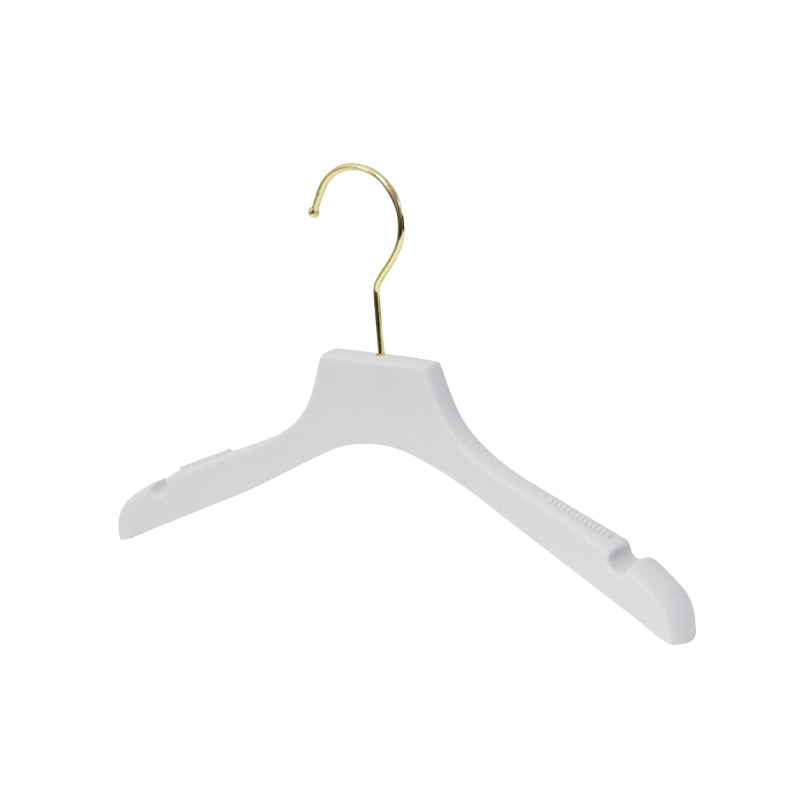
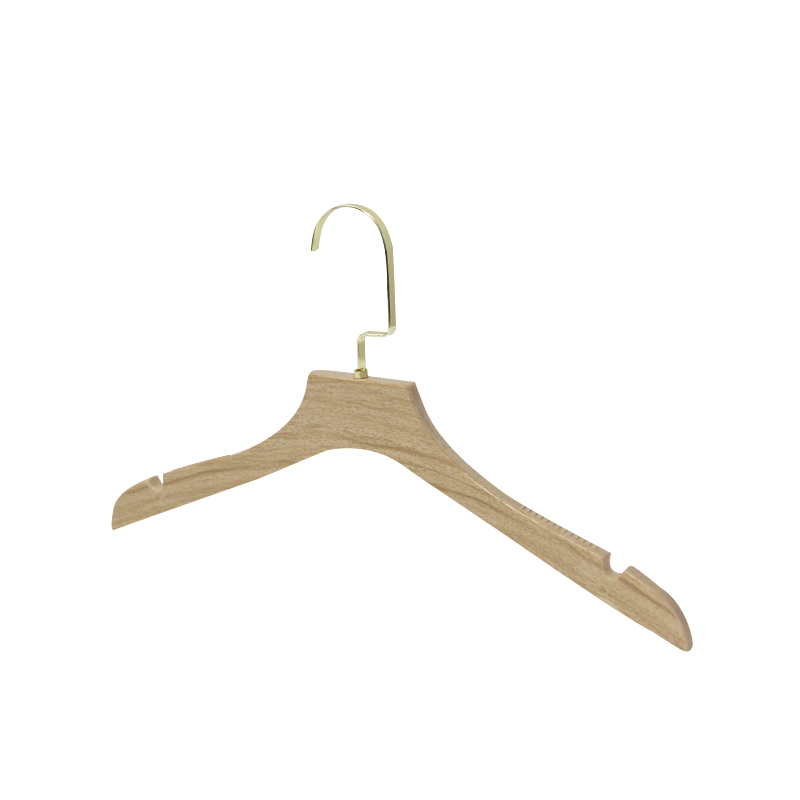
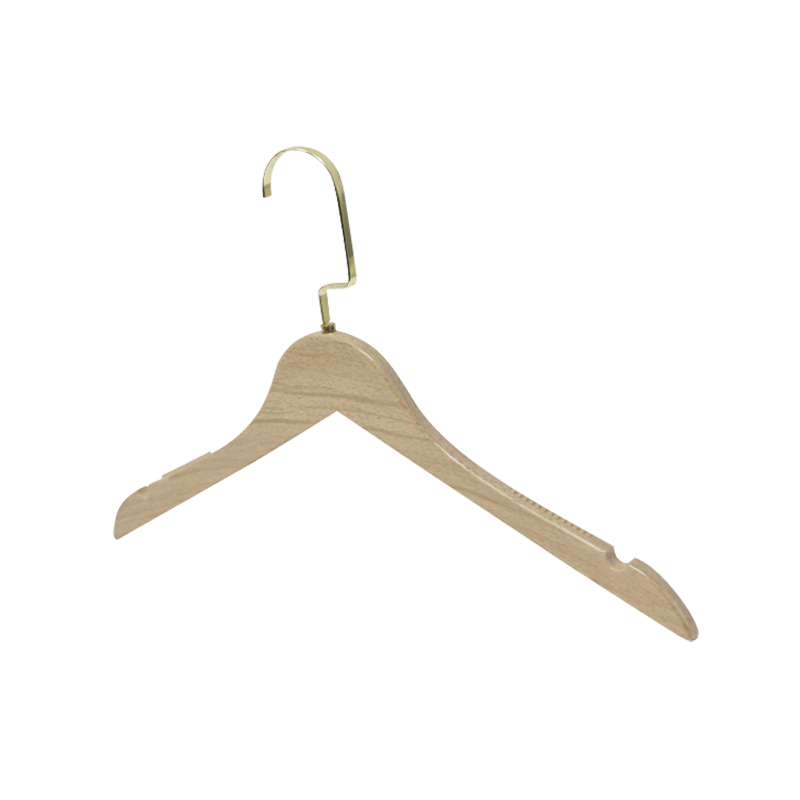
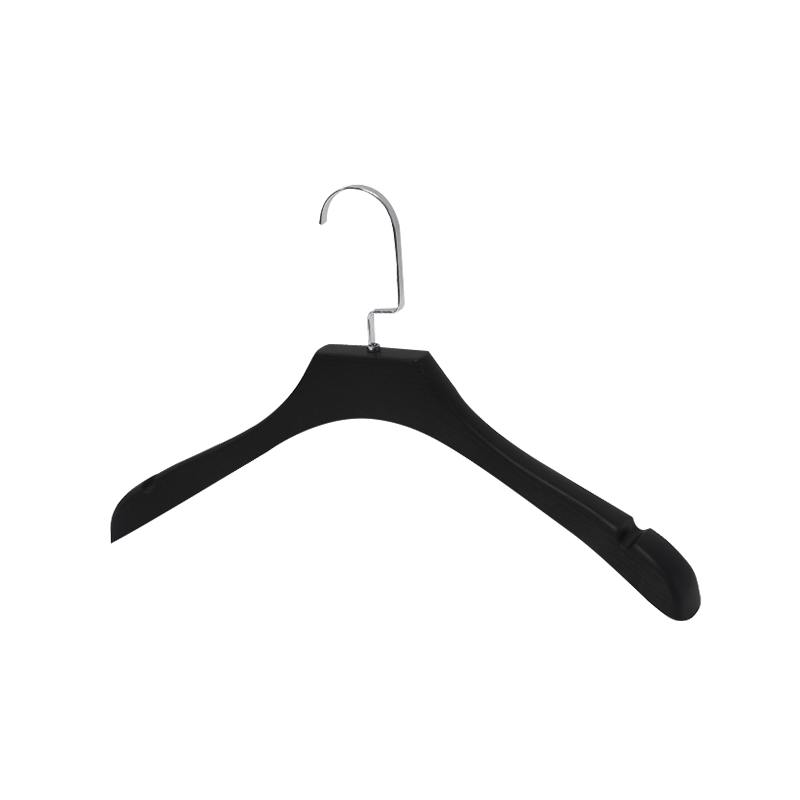
Classic Style Wooden Metal Hook Hanger
Product features:
1. Solid wood material: This coat hanger is made of high-quality solid wood material to ensure t...
Woven cotton and linen: These natural fibers respond well to steaming. The vertical garment steamer relaxes the cellulose fibers at temperatures between 100°C and 120°C, removing wrinkles without the risk of scorching that occurs with dry ironing at 180-200°C. Shirts, blouses, and table linens can be steamed vertically while hanging. The steamer should be held 5 to 10 cm from the fabric surface.
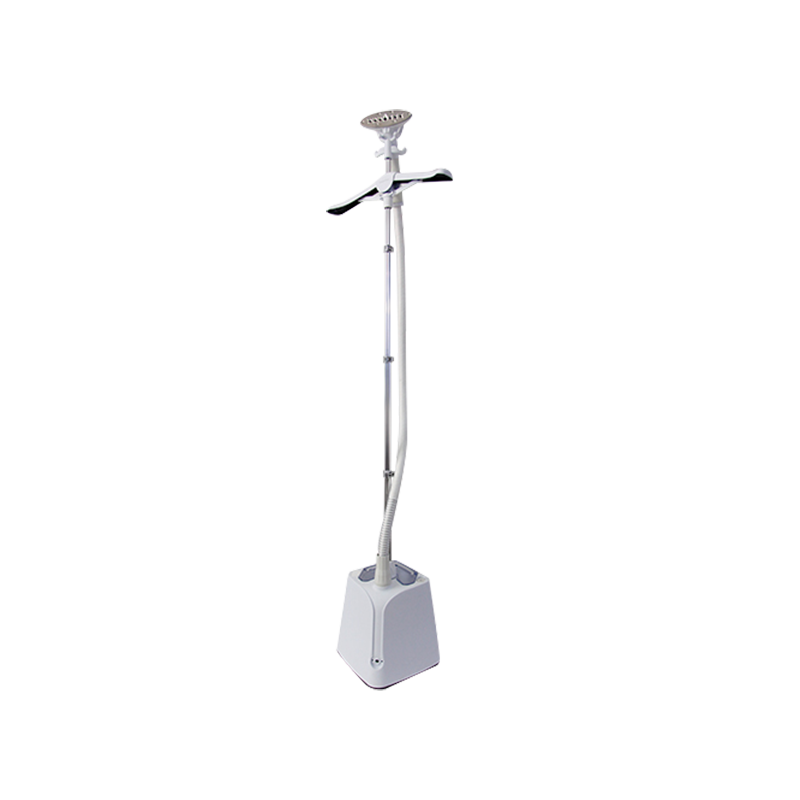
Silk and wool: Steaming is recommended for these delicate protein fibers because the steamer does not make direct contact. Silk tolerates steam at 100-110°C for 2-3 seconds per area. Wool garments benefit from steam that relaxes the crimp of the fibers, reducing wrinkles without compressing the fabric as an iron would. However, water-sensitive silk (marked "dry clean only" with no water symbol) may develop water spots from condensation. Test on an inside seam before steaming.
Polyester and nylon: These synthetic fibers have glass transition temperatures between 60°C and 80°C. Steam at 100°C softens the fibers sufficiently to release wrinkles. The steamer should be moved continuously; holding steam on a single spot for more than 5 seconds can cause the fabric to stretch permanently (1-3 percent elongation) or develop a shiny sheen from localized melting of fiber tips.
Blended fabrics (cotton-polyester, wool-nylon): The response depends on the dominant fiber. A 60 percent cotton, 40 percent polyester blend wrinkles like cotton but releases wrinkles faster (2-3 seconds versus 4-5 seconds for pure cotton). Steam temperatures of 100-110°C are safe for most blends. Avoid steaming fabrics with elastane (spandex) content above 10 percent, as the steam heat accelerates elastane degradation: tensile strength loss reaches 20-30 percent after 10 steaming cycles.
Fabrics not suitable for steaming: Suede and leather (steam drives oils to the surface, leaving dark spots). Velvet and corduroy (steam flattens the pile structure, requiring brushing to restore). Waxed cotton (steam melts the wax coating, causing it to transfer to the steamer head). Acetate and triacetate (steam causes delamination of the fiber layers, visible as white streaks). Fabric-covered foam (steam may degrade the foam, reducing its rebound by 50 percent after 3-4 cycles).
Water consumption varies by steamer design and steam output setting. A typical household vertical garment steamer with a 1,200 to 1,600 watt heating element produces steam at a rate of 25 to 40 grams per minute on the high setting. Low setting (600-900 watts) produces 15 to 25 grams per minute. Therefore, a 1.5 liter (1,500 gram) water tank provides continuous steaming for 37 to 60 minutes on high setting or 60 to 100 minutes on low setting. Commercial-grade steamers (2,000-2,500 watts) consume 45 to 70 grams per minute, so a 2.5 liter tank lasts 35 to 55 minutes.
The actual usable time is 10-15 percent less than calculated because the heating element cycles on and off as the thermostat maintains steam temperature. During the off-cycle (typically 15-30 seconds every 2-3 minutes), steam output drops by 50-70 percent, but water continues to evaporate from the heating chamber, consuming approximately 4-8 grams per minute. Additionally, when the water level falls below the heating element (approximately 100-150 ml remaining in most tanks), the steamer may produce spitting (water droplets mixed with steam) instead of dry steam. Manufacturers recommend refilling when tank volume reaches 15-20 percent of capacity to avoid spitting.
Yes, steam can reduce or eliminate certain odors through two mechanisms: thermal volatilization and steam distillation. Odor molecules such as cigarette smoke residue (nicotine, tar), cooking oil vapors, and sweat components (isovaleric acid, 2-nonanone) have boiling points between 150°C and 250°C at atmospheric pressure. When exposed to steam at 100°C, these molecules absorb heat and transition from the condensed phase (adsorbed onto fabric fibers) to the vapor phase, carried away by the steam flow. Laboratory tests show that steaming for 30 seconds per garment area reduces cigarette smoke odor concentration by 60-80 percent as measured by gas chromatography-mass spectrometry (GC-MS). Sweat odor reduction is 50-70 percent after 20 seconds of steaming, though residual odor compounds trapped within fiber cores (especially in cotton and wool) may remain because steam penetration depth in fabric is only 2-5 mm from the surface.
Steaming is not effective for all odors. Odors from biological sources (mold, mildew, urine) involve microbial metabolites that include water-soluble salts and non-volatile compounds. Steam alone cannot remove these salts; laundering is required. Odors from oil-based stains (motor oil, cooking grease that has polymerized) have vapor pressures below 0.001 mmHg at 100°C, meaning they do not evaporate under steam conditions. These odors remain after steaming and may become more noticeable because other volatile compounds are removed. Furthermore, steaming can set certain protein-based odors (blood, egg) into fibers if the steam temperature denatures the protein, locking it into the fiber structure. For such stains, wash before steaming.
A practical test for steam odor removal effectiveness: before steaming, smell the garment at a distance of 5 cm from the fabric. If the odor is described as "sharp," "chemical," or "smoky," steaming is likely effective. If the odor is described as "musty" or "rancid," steaming will provide partial improvement (30-50 percent reduction) but not complete elimination.