
 Language
  English
 中文简体
中文简体 Español
 русский
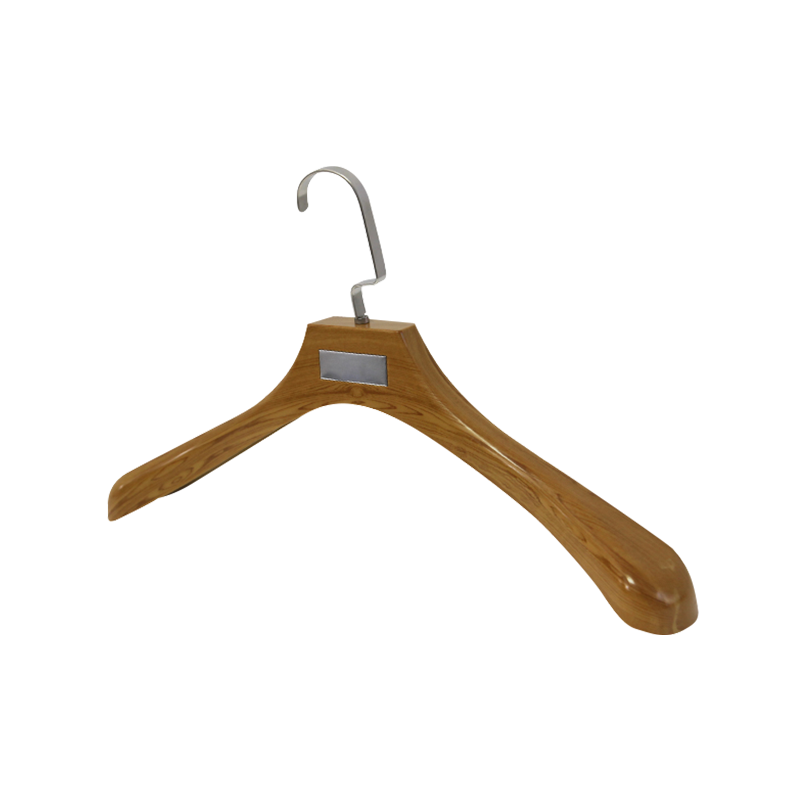
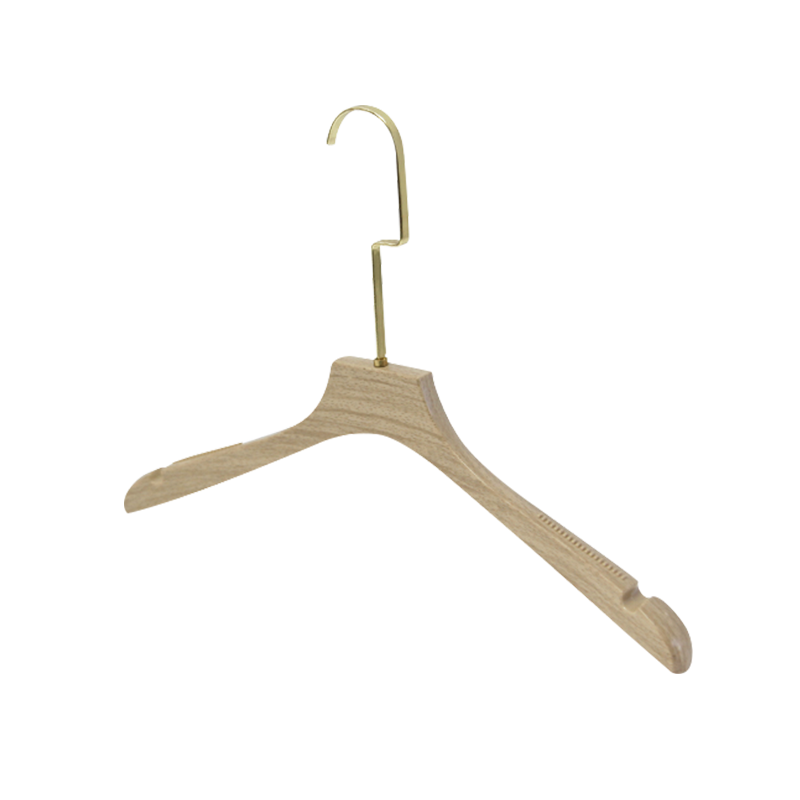
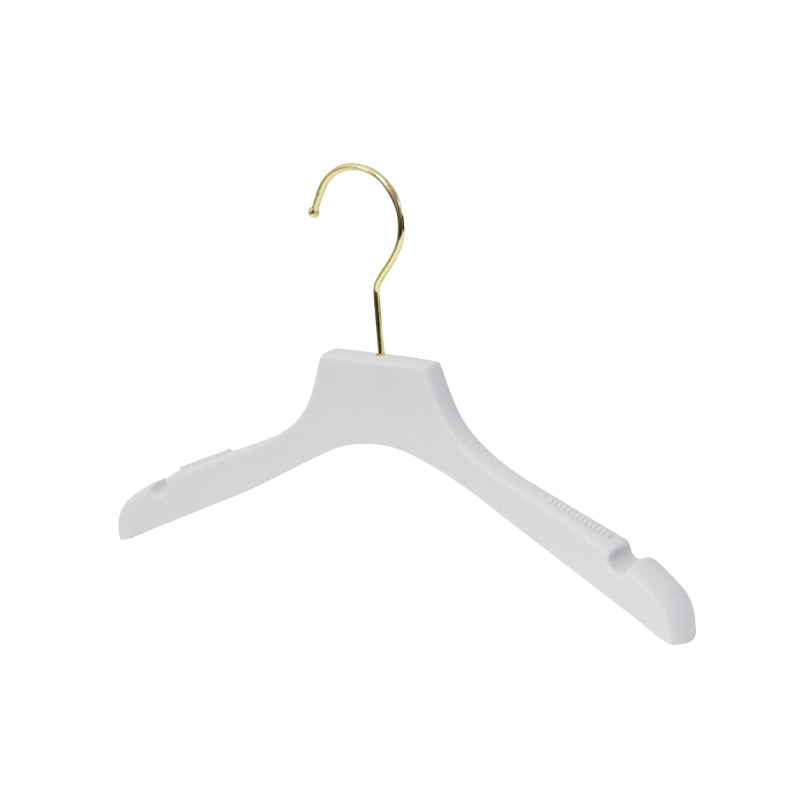
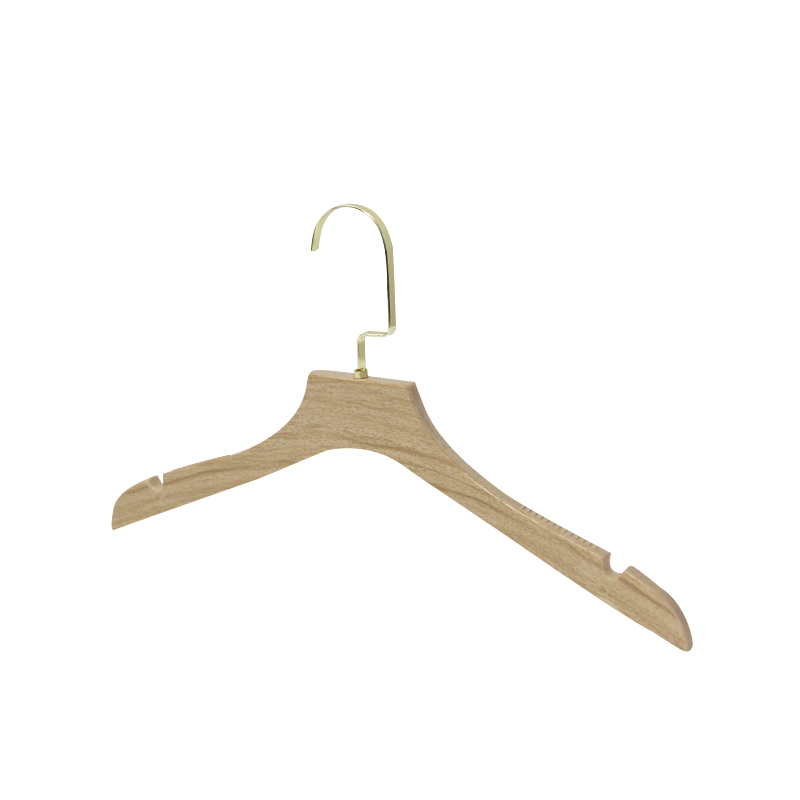
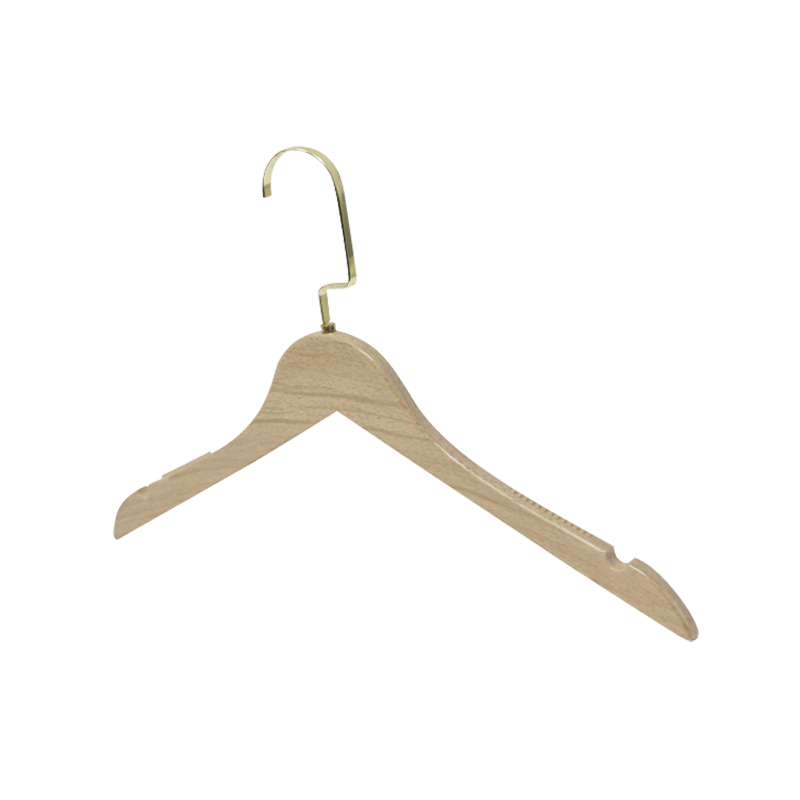
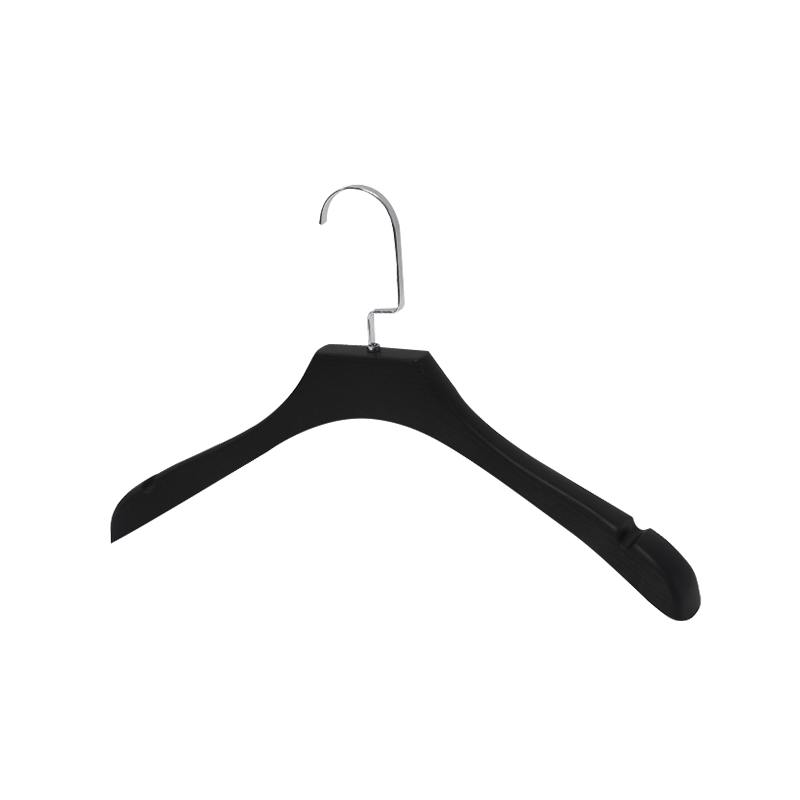
Classic Style Wooden Metal Hook Hanger
Product features:
1. Solid wood material: This coat hanger is made of high-quality solid wood material to ensure t...
Steaming is one of the healthier ways to cook. No oil. No frying. No burning. Vegetables keep their color. Fish stays moist. Dumplings come out tender. But steaming on the stovetop means a big pot and only one dish at a time. A vertical electric steamer changes that. The appliance stacks steaming trays on top of each other. Steam rises from a base unit at the bottom. Each tray cooks a different food. The result is a complete meal from one appliance on one countertop.
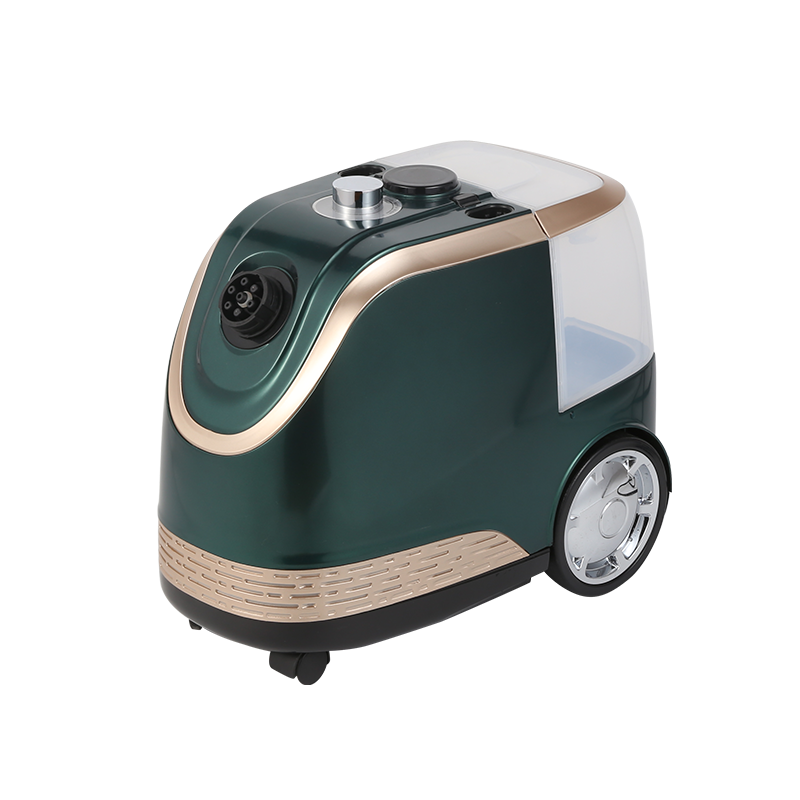
The base heats water to produce steam that rises through the trays
A vertical electric steamer has a base unit with a heating element and a water reservoir. You fill the reservoir. You set the timer. The element heats the water to boiling. Steam rises. The steam enters the bottom tray, then the next tray, then the next. Every tray gets the same steam. Food cooks evenly across all levels.
The trays are transparent so you see the food cooking. vertical electric steamer products have lids on top to keep the steam inside. The lid is usually clear plastic with a vent hole. Too much pressure escapes through the vent. The steamer does not pressurize like a pressure cooker.
Tray design affects cooking time and food quality
The trays in a vertical electric steamer have holes in the bottom. Steam passes up through the holes. The holes need to be small enough that food does not fall through. Large enough that steam flows freely. Rice and small vegetables need a solid insert or a fine mesh tray.
Tray depth matters too. Shallow trays cook food faster. Steam reaches the top of a shallow tray quickly. Deep trays hold more food but take longer. The bottom tray in a vertical electric steamer cooks faster than the top tray. You arrange foods accordingly — dense foods like potatoes in the bottom, delicate foods like fish in the top.
Vertical stacking saves counter space compared to multiple pots
A vertical electric steamer takes up the same counter space as a single pot. But it cooks three or four dishes at once. The alternative is three or four pots on the stove. Or steaming one dish at a time while the others wait. The vertical design is efficient.
The footprint of a typical vertical electric steamer is about 25 by 25 centimeters. That is smaller than a sheet of paper. A family of four cooks a full meal in that footprint.
Stacking allows different foods to cook without mixing flavors
Cook fish in the bottom tray. The drippings fall down into the water. The steam continues up. The broccoli in the top tray does not taste like fish. A vertical electric steamer keeps flavors separate as long as foods are not stacked directly over each other without a solid barrier.
Here is how to arrange a vertical electric steamer for a complete meal:
Water reservoir size determines how long the steamer runs
A vertical electric steamer runs out of water if the reservoir is too small. The heating element shuts off to prevent damage. The food stops cooking. You wait for the steamer to cool. You add water. You restart. The meal is delayed.
Look for a reservoir that holds enough water for at least 60 minutes of steaming. Large capacity models run for 90 minutes or more. A vertical electric steamer with a 1.5 liter reservoir is adequate for meals. Two liters is better.
Timer and automatic shutoff prevent overcooking
Steam does not burn food the way dry heat does. But vegetables can turn to mush. Fish can fall apart. A vertical electric steamer needs a timer that turns off the heating element when time is up. The food stays warm without overcooking.
Here are timer features that make a vertical electric steamer easier to use:
Water leaks from the base into the electrical components
The base contains the heating element and the control board. Water from the reservoir should stay in the reservoir. Cheap vertical electric steamer products have poor seals. Water migrates into the electrical area. The control board shorts. The steamer stops working.
Water also leaks from the trays. The trays stack on the base. The seal between the bottom tray and the base needs to be tight. Loose seals let steam escape. Cooking times increase. The countertop gets wet.
Trays crack from heat cycling
The trays are plastic. Plastic expands when hot and shrinks when cool. Over time, the trays crack. The cracks start at the corners. They spread. The vertical electric steamer becomes unusable because the trays will not hold food.
Better steamers use polycarbonate or food-grade Tritan plastic. These materials resist cracking from heat cycling. They also withstand dishwashers without clouding or warping.
A vertical electric steamer is not the fastest way to cook. Boiling water on the stove is faster for one dish. But for cooking a complete meal — protein, starch, vegetable — the steamer saves time because everything cooks at once. The appliance is also forgiving. Set the timer and walk away. No stirring. No flipping. No watching. When the timer goes off, dinner is ready. For busy households, that convenience is worth the counter space.