
 Language
  English
 中文简体
中文简体 Español
 русский
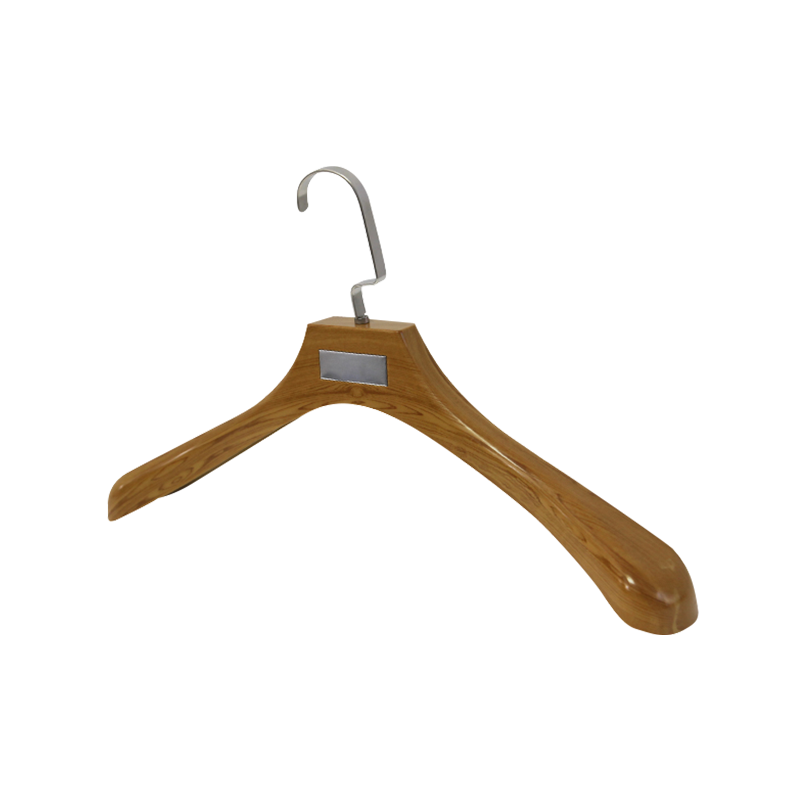
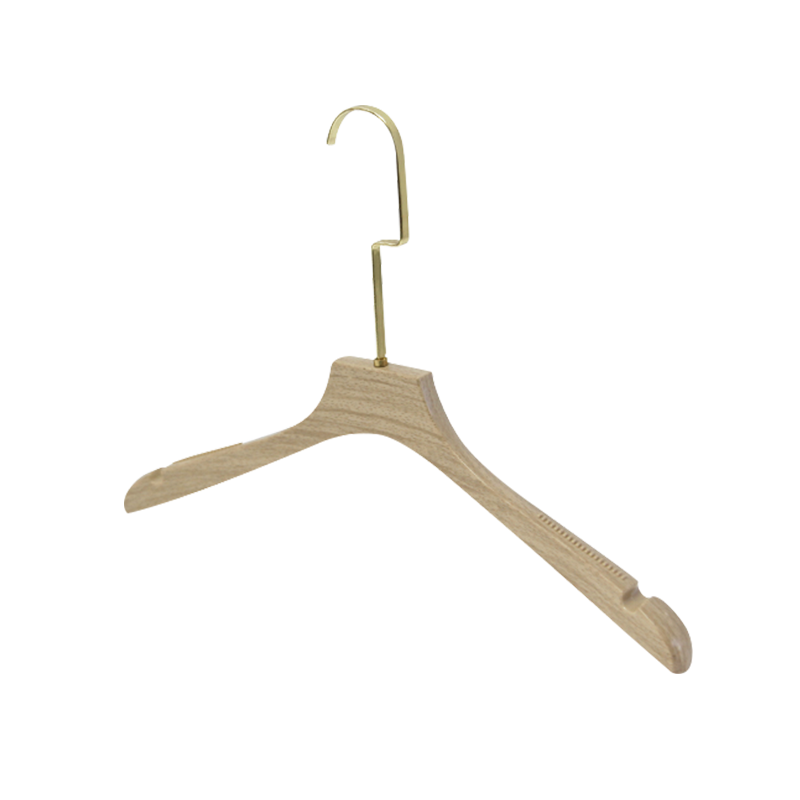
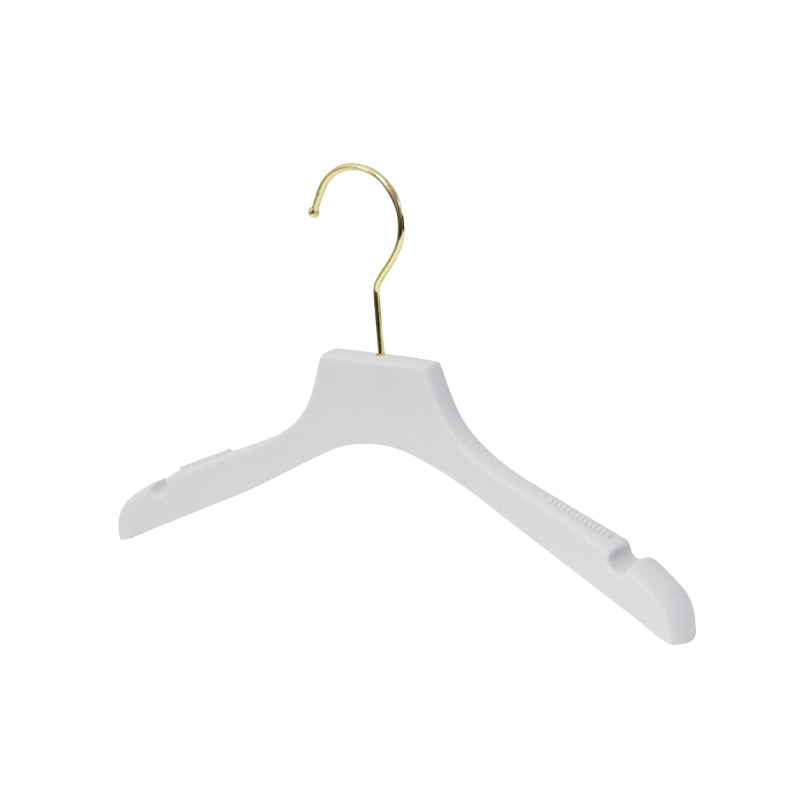
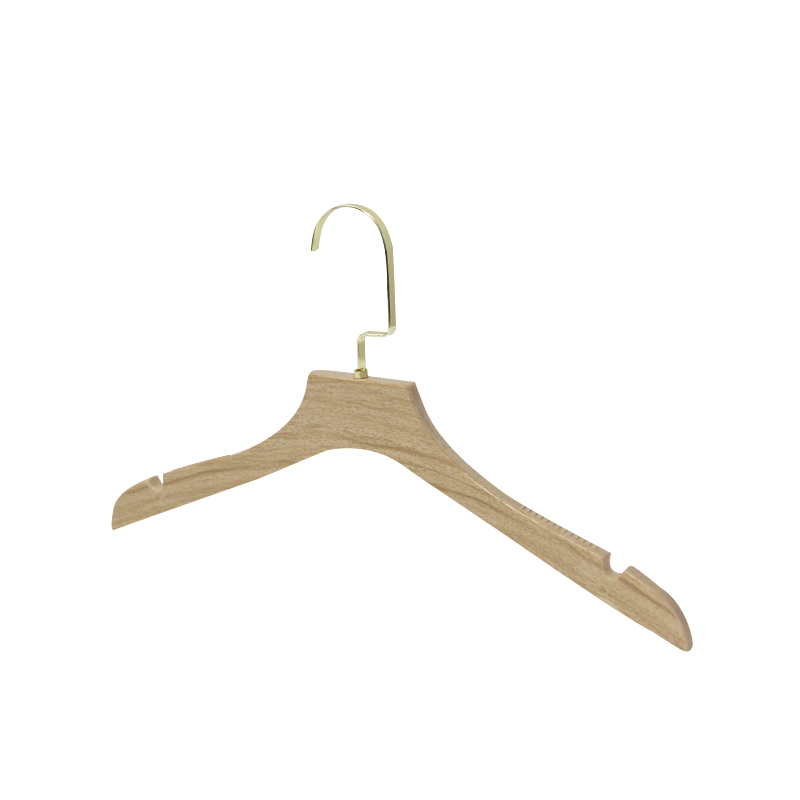
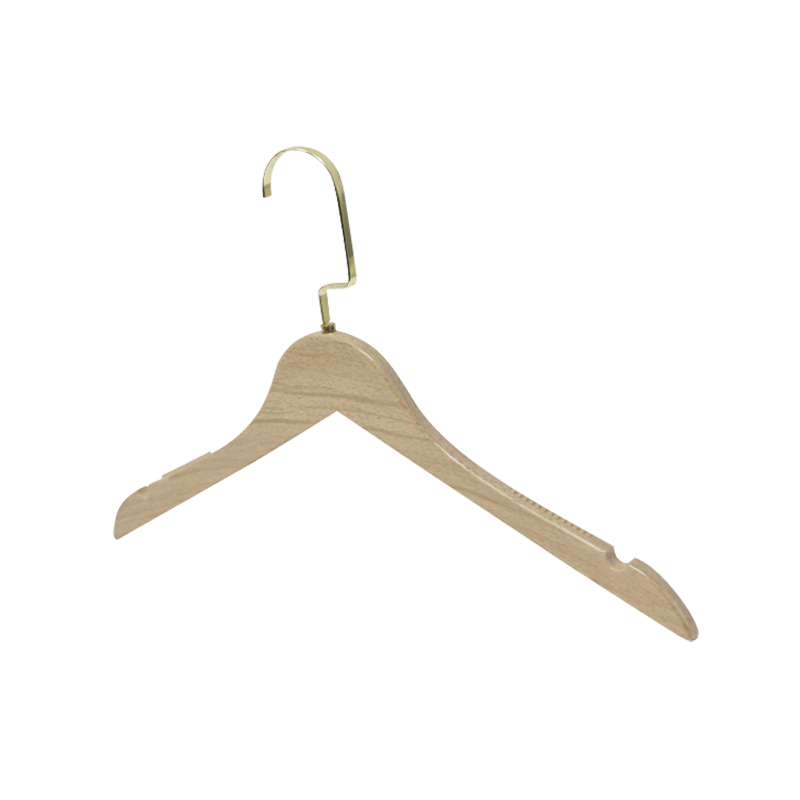
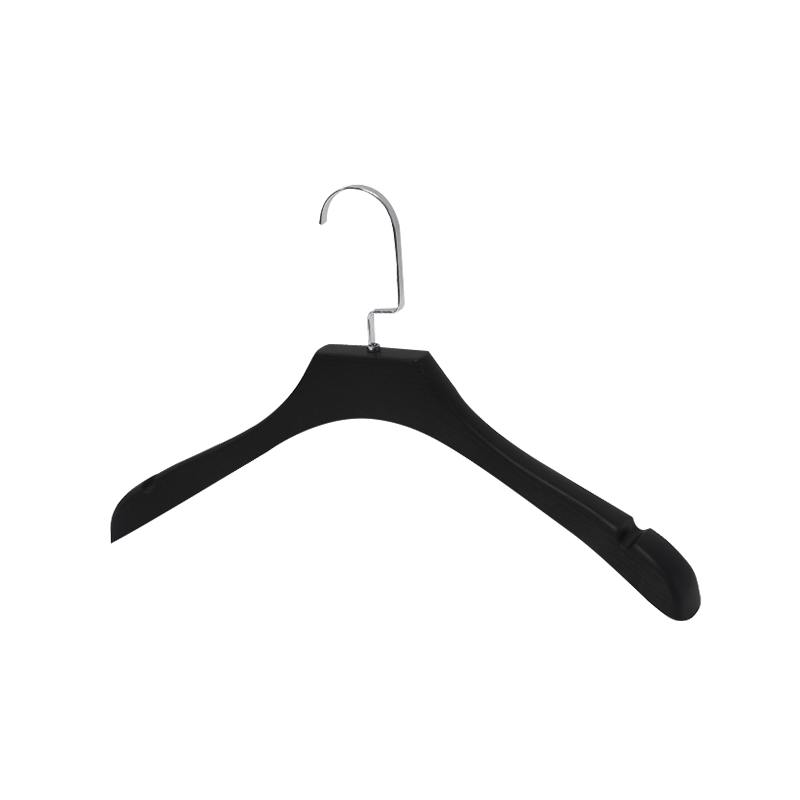
Classic Style Wooden Metal Hook Hanger
Product features:
1. Solid wood material: This coat hanger is made of high-quality solid wood material to ensure t...
Types of Upright Garment Steamers on the Market
Upright garment steamers (also called standing steamers or garment steamer stands) are devices that heat water to generate steam for removing wrinkles from hanging garments. The following types are distinguished by heating system, water tank capacity, and feature set.
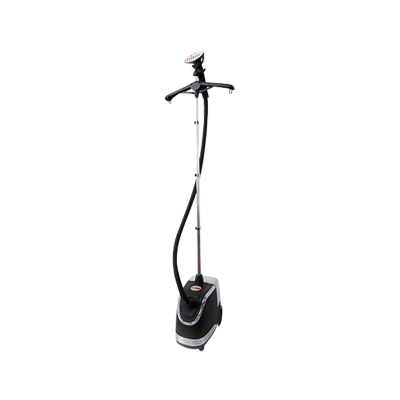
Standard gravity-feed steamers: Water flows from a top-mounted tank (1.5–3.0 liters) into a boiler below. Heated by a stainless steel or aluminum heating element (800–1,500 watts). Steam output ranges from 25–45 g/min. No pump required; water flow relies on gravity. Suitable for home use and small retail shops. Typical steam time per fill: 45–90 minutes. Weight: 3–5 kg.
Pump-assisted steamers: Electric pump (15–30 W) draws water from a bottom-mounted or detachable tank (1.0–2.5 liters) to the boiler. Pump pressure produces steam output of 35–60 g/min. Can be used continuously even when the tank is below the boiler. Suitable for larger households and small commercial applications. Steam time: 30–70 minutes per fill. Weight: 4–7 kg.
Dual-heater or steam-on-demand systems: Two heating elements—one for rapid initial heating (500–1,000 W preheat), another for maintaining steam during use (800–1,200 W). Reduces warm-up time to 30–60 seconds compared to 90–120 seconds for single-heater units. Steam output: 30–50 g/min. Common in mid-range to premium home steamers.
Commercial continuous-fill steamers: Water tank capacity 3–8 liters, with the ability to refill while operating (hot water or cold water fill valves). Heating elements rated 1,500–2,200 W. Steam output: 50–120 g/min. Designed for 8–12 hours of daily operation. Used in dry cleaning shops, hotel uniform rooms, and costume departments. Weight: 8–20 kg.
Pressure-boiler steamers: Enclosed boiler operates at 2–4 bar pressure, producing steam at 120–150°C (compared to 98–100°C for atmospheric steamers). Steam output: 80–200 g/min. Requires certified pressure vessel (CE, UL, or ASME). Used for heavy-duty commercial applications—drapery, upholstery, and high-volume garment processing. Weight: 15–35 kg.
Two-in-one steamers with ironing board: Combines a standing steamer with a foldable ironing board and sometimes a conventional iron. Steam is directed to both the steamer head and the ironing board. Water tank capacity 1.8–3.0 liters. Suitable for households that want both steaming and ironing options. Weight: 7–12 kg.
High-temperature steamers (over 150°C): Use superheated steam generated by passing steam through a secondary heating chamber (200–250°C). Steam output: 40–70 g/min. Designed for killing dust mites and bacteria (requires >120°C for 5 seconds). Suitable for allergy-prone households. Weight: 5–8 kg.
Materials Used in Upright Garment Steamers
Heating Element Materials
The heating element converts electrical energy to heat. Two material types dominate: stainless steel (inox) and aluminum with anti-scale coating. Stainless steel elements (often 304 or 316 grade) have a service life of 5–10 years in areas with hard water (calcium carbonate concentration above 120 mg/L). They resist corrosion but heat up slower than aluminum. Aluminum elements heat 20–30% faster (10–15 seconds to reach 100°C) but are prone to pitting corrosion in hard water without coating. Most aluminum elements receive a titanium dioxide or PTFE-based anti-scale coating (0.1–0.3 mm thickness). In areas with water hardness above 200 mg/L, stainless steel elements last 3–5 years; coated aluminum lasts 2–4 years; uncoated aluminum fails within 12–18 months due to scale buildup reducing heat transfer.
Water Tank Materials
Three materials are used for water tanks, each with distinct properties. Polypropylene (PP) is the most common (75–80% of home steamers). PP is translucent (water level visible), resistant to hot water up to 100°C, and does not leach chemicals. Tank capacity markings are molded into the PP. Service life exceeding 10 years. Polyethylene terephthalate (PET) is used for transparent tanks (clear or blue-tinted). PET is more rigid than PP but less resistant to repeated hot water exposure; after 2–3 years, PET may develop micro-cracks at stress points (e.g., handle attachments). Stainless steel tanks (304 grade) are found on commercial and premium home steamers. Steel tanks do not allow visual water level check, so they include a sight glass or electronic water level sensor. Steel tanks are heavier (0.8–1.5 kg empty vs. 0.2–0.4 kg for PP) but resist cracking and tolerate higher temperatures (up to 150°C in pressure boilers).
Hose and Steamer Head Materials
The steam hose must withstand 100–150°C steam while remaining flexible. Two-layer hoses are standard: an inner silicone tube (heat-resistant to 200°C, odorless) and an outer braided polyester or nylon layer for kink resistance. Single-layer EPDM (ethylene propylene diene monomer) hoses are found on budget models; they emit a rubber smell during the first 2–3 hours of use and stiffen at low temperatures (below 10°C). The steamer head (the part the user holds) is typically made of polycarbonate (PC) or ABS. PC handles withstand 110–120°C at the attachment point, while ABS begins softening at 95°C—some budget steamers with ABS heads experience deformation after 30–40 minutes of continuous use. The steam head includes a brass or stainless steel insert where the hose connects; plastic threads here cross-thread and fail after 6–12 months. The steam distribution plate (where steam exits) is aluminum (painted or anodized) or stainless steel. Aluminum plates heat to 80–100°C and can scorch delicate fabrics if held in contact; steel plates have lower thermal conductivity, reducing scorch risk.