
 Language
  English
 中文简体
中文简体 Español
 русский
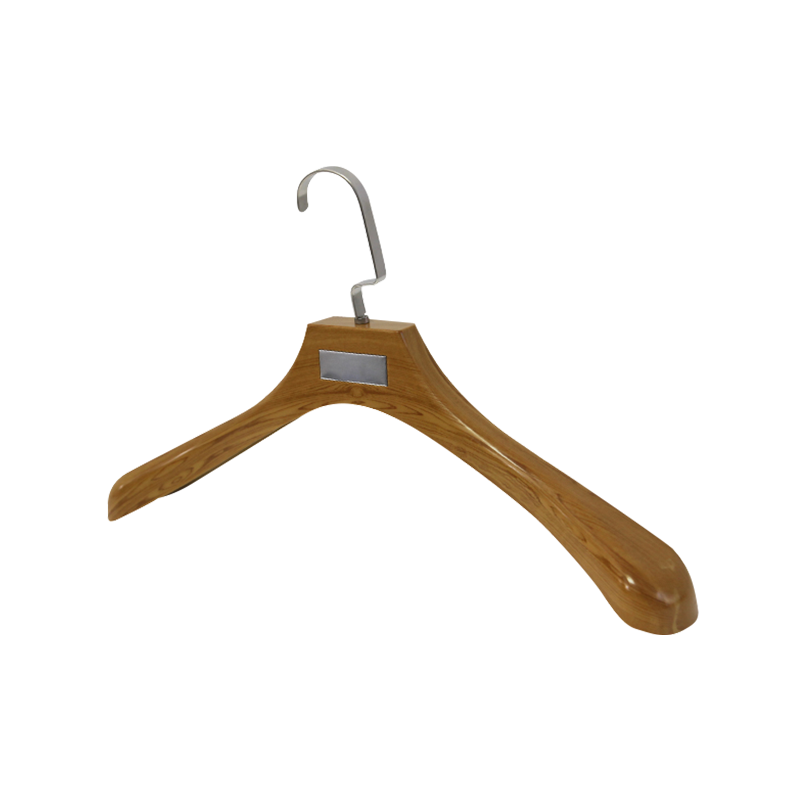
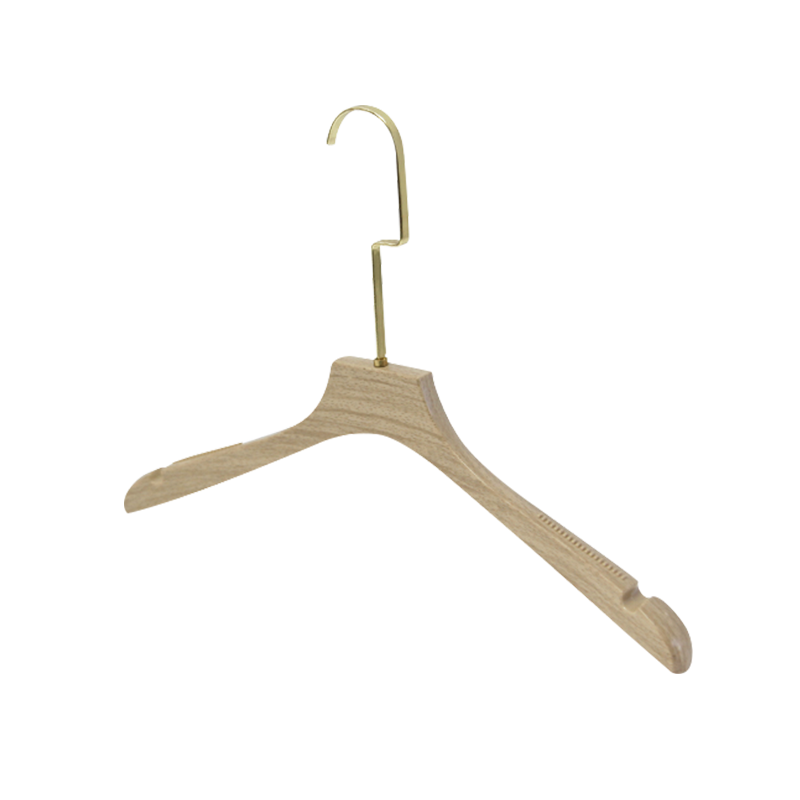
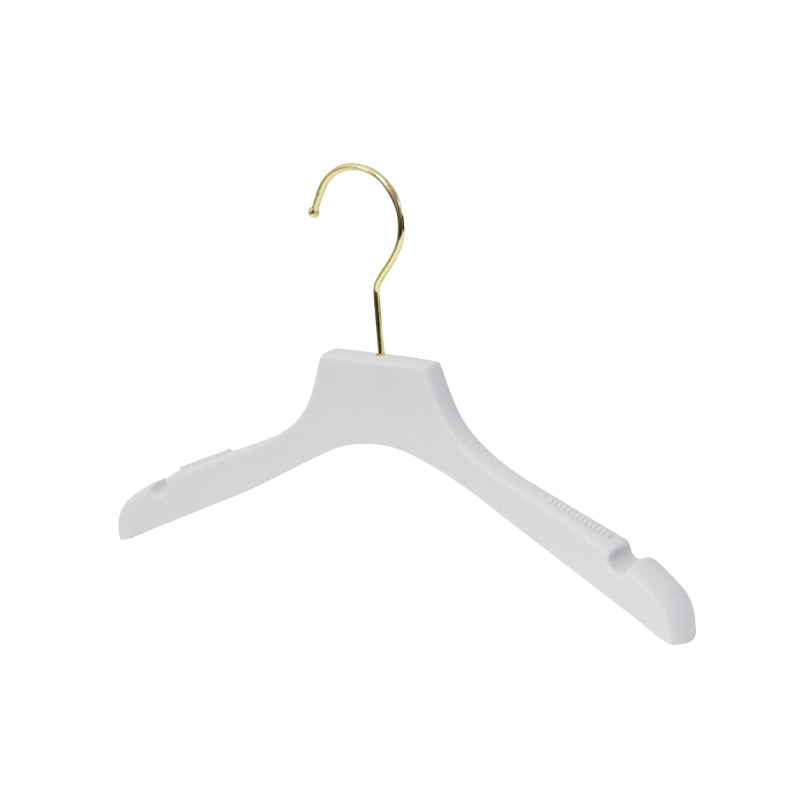
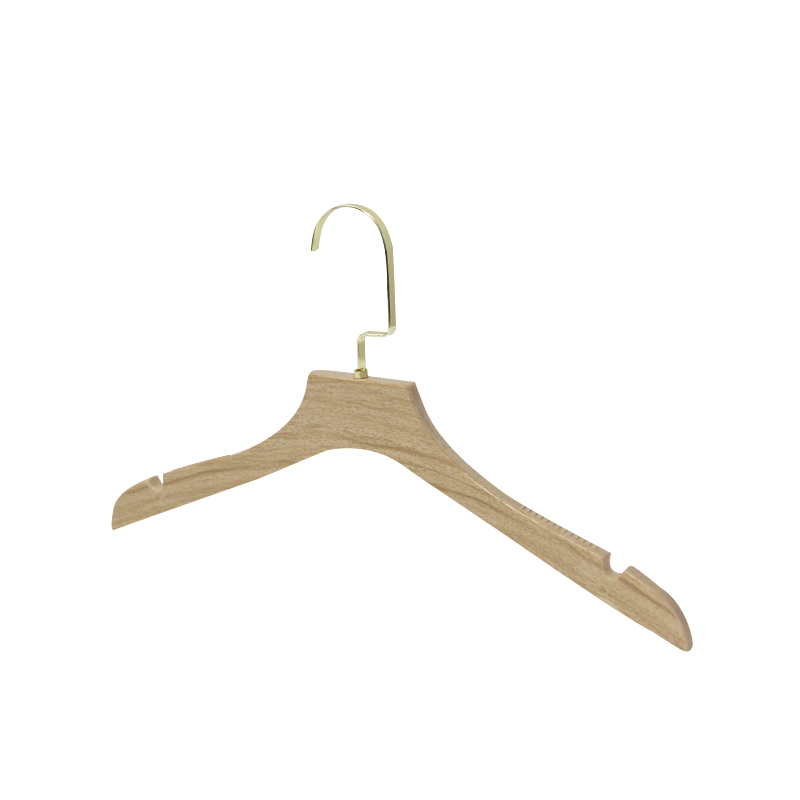
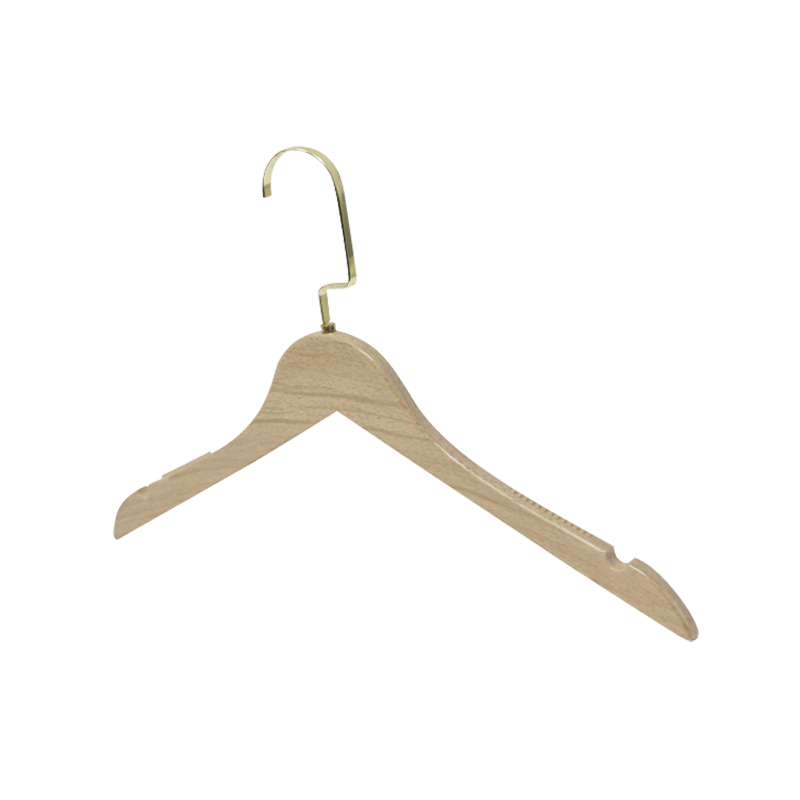
Classic Style Wooden Metal Hook Hanger
Product features:
1. Solid wood material: This coat hanger is made of high-quality solid wood material to ensure t...
Morning routines rarely leave time for setting up an ironing board, waiting for a flat iron to reach temperature, and pressing each garment section by section. Clothes pulled from the dryer too late, shirts taken directly from a packed suitcase, and blouses that crease overnight in a wardrobe - these situations repeat themselves daily in households where time is a limited resource. A Vertical Electric Steamer addresses this problem at its root: by delivering continuous steam to hanging garments, it relaxes fabric fibers and removes wrinkles in the time it takes to get dressed, without boards, without high-contact heat, and without the learning curve that comes with a traditional iron.
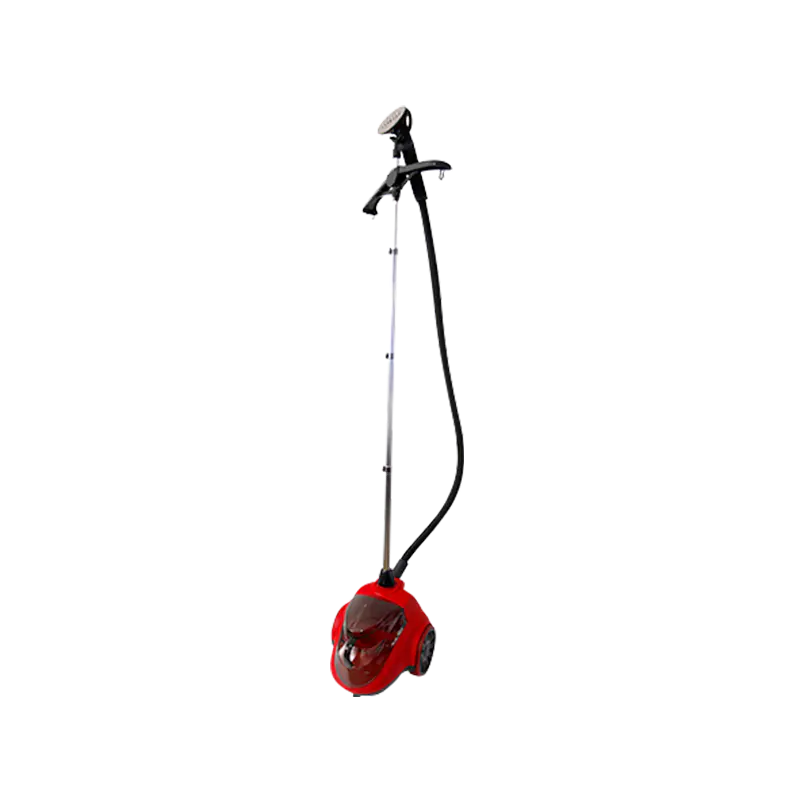
A vertical garment steamer heats water in a reservoir until it produces a continuous flow of pressurized steam. That steam is directed through a hose to a handheld head, which the user moves over the surface of a hanging garment. The steam penetrates the fabric fibers, temporarily relaxing the hydrogen bonds that hold wrinkles in place. When the fabric cools, it retains the smoother, more relaxed configuration rather than the creased one.
This is a different process from ironing. A flat iron presses wrinkles out mechanically using heat and pressure applied directly to the fabric surface. A steamer relaxes wrinkles through moisture and heat without pressing contact. The result is that garments hang naturally rather than acquiring the sharp-pressed appearance of an iron finish - which is appropriate for many fabric types and garment styles, particularly those where a formal pressed crease is not the goal.
The vertical design - a floor-standing unit with a tall pole, a hanger, and a flexible steam hose - addresses several practical household constraints:
Fabric wrinkles form when fibers are compressed or bent and then held in that position long enough for the bonds within the fiber structure to set. This occurs reliably when:
The fiber types involved matter. Natural fibers like cotton, linen, and silk are more prone to wrinkling than many synthetics, but they also respond readily to steam. Synthetic blends vary - the majority respond well to steam at appropriate temperatures, though delicate synthetics benefit from the ability to hold the steamer head slightly away from the fabric surface rather than in direct contact.
When steam contacts a fabric, two things happen simultaneously. The moisture softens the fiber structure, reducing the rigidity that was holding the crease in place. The heat accelerates this relaxation. Because the steamer head does not press against the fabric, the fiber is free to relax into a smooth configuration rather than being pressed flat.
This makes steam particularly appropriate for:
| Factor | Vertical Electric Steamer | Traditional Iron | Wrinkle-Release Spray |
|---|---|---|---|
| Setup time | Short – unit heats in minutes | Moderate – board setup and heat-up time | Immediate – no setup |
| Garment handling | Hangs vertically – no repositioning needed | Laid flat – requires turning and repositioning | Hangs or worn |
| Fabric contact | None or minimal | Direct pressing contact | None |
| Suitable fabrics | Wide range including delicates | Wide range – precise control possible | Light wrinkles only |
| Result finish | Natural relaxed hang | Sharp pressed finish available | Light smoothing |
| Effectiveness on heavy wrinkles | High | High | Low |
| Risk of fabric damage | Low – no direct pressure or iron contact | Moderate – scorching risk on delicates | Negligible |
| Water refill frequency | Low – large reservoir | Moderate – smaller tank in steam irons | N/A |
| Suitable for curtains and upholstery | Yes – vertical format ideal | No – requires flat surface | Partial |
| Odor reduction benefit | Yes – steam freshens fabric | Limited | Limited |
Wrinkle-release sprays have a role for light surface creases and travel situations, but they cannot address the kind of deep-set wrinkles that result from packing, prolonged storage, or heavy daily use. Irons remain relevant for garments requiring a sharp pressed crease - formal shirts, dress trousers, linen suits - but they are time-consuming for the daily volume of clothing a busy household generates. The vertical steamer fills the space between these two options: more effective than spray, faster and less demanding than ironing.
Using a vertical garment steamer correctly makes a significant difference in outcome. The process is straightforward:
Understanding what reduces steaming effectiveness helps users get better results:
Steaming very heavy fabrics expecting instant results: thick denim or canvas may require multiple passes and some post-steam hanging time
Understanding fabric response helps users approach each garment with appropriate technique:
Velvet: steam can be used but the direction of the steam head matters - against the pile direction can crush the texture. Steam parallel to the pile direction or from a short distance.
Suede and leather: steam can damage both natural suede and faux suede. These materials are not appropriate for steam treatment.
Wax-coated or heavily treated fabrics: specialist surface treatments may be affected by moisture. Check the care label before steaming.
Very sheer fabrics: ultra-thin synthetic sheers may be more prone to distortion from steam - a short distance and light steam output is appropriate.
An ironing board requires floor space while in use and storage space when not in use. Many households store their ironing board in a closet, which creates friction around the act of ironing - the board must be retrieved, set up, and stored again after each use. This friction is a real barrier to consistent garment care, particularly for individuals or households with limited time.
A vertical steamer occupies a compact footprint and can be stored in a corner, a closet, or a dedicated space that does not require full room-width clearance. Some models fold or partially collapse for easier storage. The reduced setup effort is directly related to how often the tool gets used - a tool that takes thirty seconds to prepare gets used; one that requires five minutes of setup often does not.
The larger water reservoir in a floor-standing vertical unit allows multiple garments to be processed without stopping to refill. This suits the common household pattern of preparing several outfits before a workweek begins, or refreshing a selection of clothes before travel.
For households with children, the combination of speed, ease, and the absence of a hot flat pressing surface makes vertical steaming a more practical daily solution than ironing.
A vertical steamer is particularly well-suited to households where:
It is not a replacement for a flat iron in every situation. Garments requiring sharp creases - formal dress shirts, crisp trouser pleats - are still better served by a traditional iron. For everything else in a standard household wardrobe, a vertical steamer handles the task faster and with less effort.
For retailers, distributors, and private-label buyers evaluating vertical garment steamers for household markets, the product category offers strong repeat purchase potential because consumers who integrate a steamer into their daily routine tend to repurchase when units need replacement and often upgrade to higher-capacity models as household needs grow.
Key sourcing considerations include:
Taizhou Huangyan Xiyunlai Electric Appliance Co., Ltd. manufactures Vertical Electric Steamer products for household and light commercial applications, with configurations across a range of reservoir capacities, steam output levels, and design formats suitable for retail, wholesale, and OEM supply arrangements. If you are building a product line, developing a private-label offering, or evaluating suppliers for a garment care category, reaching out with your target market specifications, volume requirements, and packaging needs is the practical starting point. The team supports buyers from product specification through production and export, with experience supplying markets across multiple regions where household appliance standards and consumer expectations vary.