
 Language
  English
 中文简体
中文简体 Español
 русский
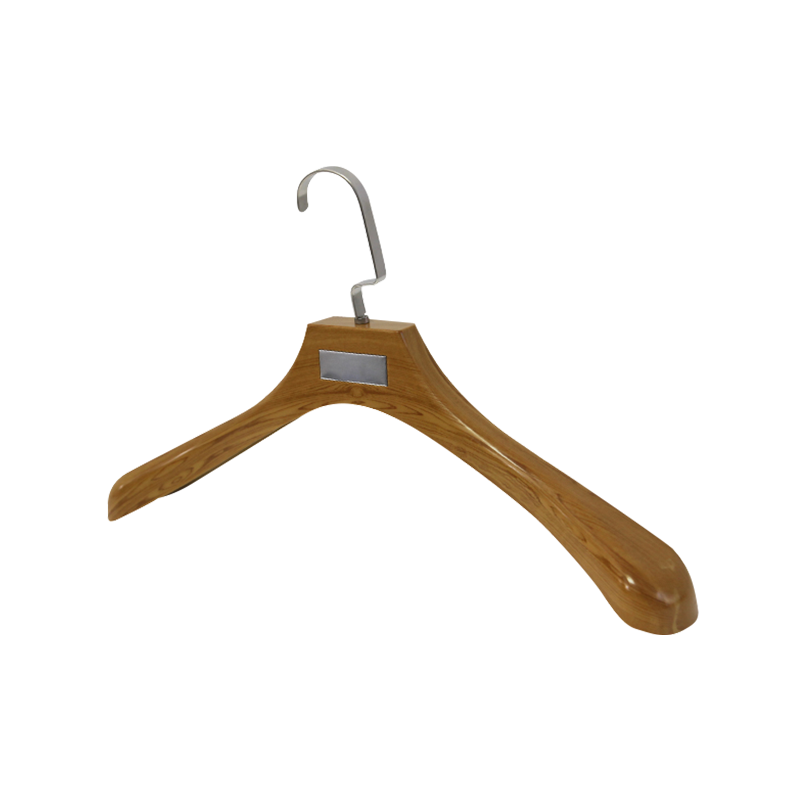
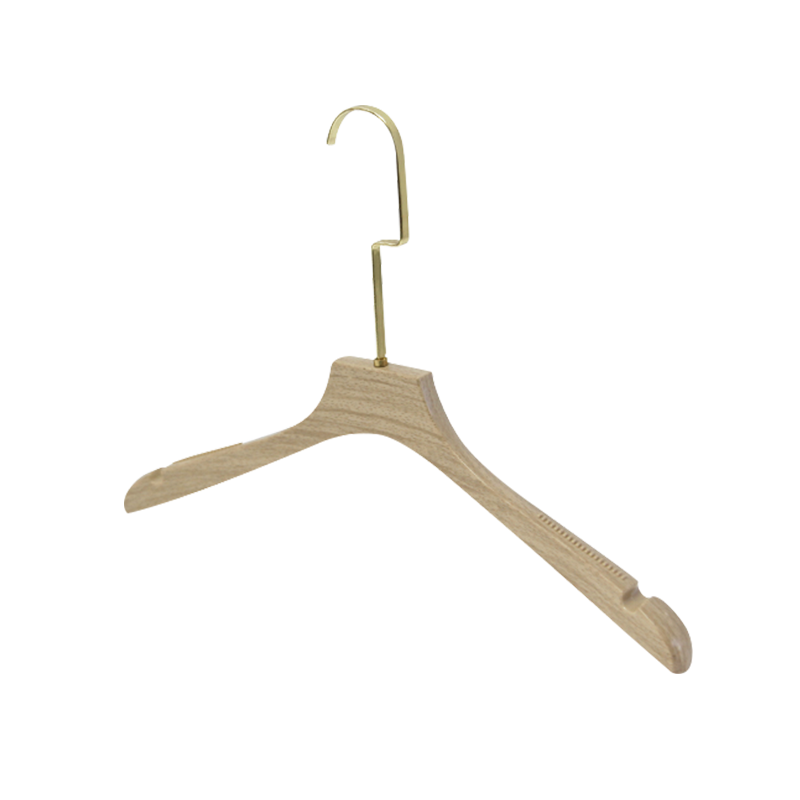
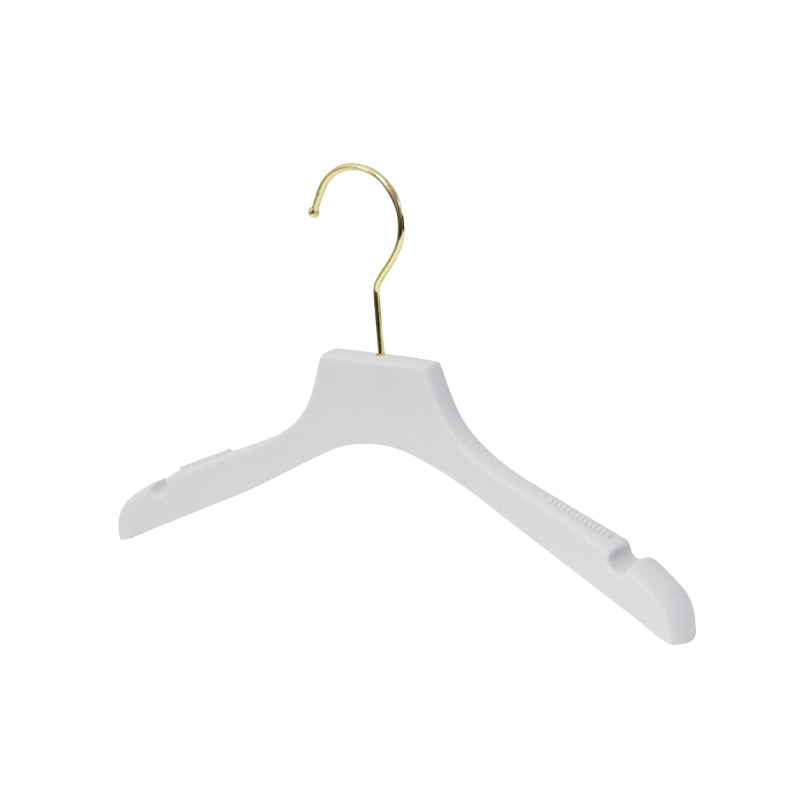
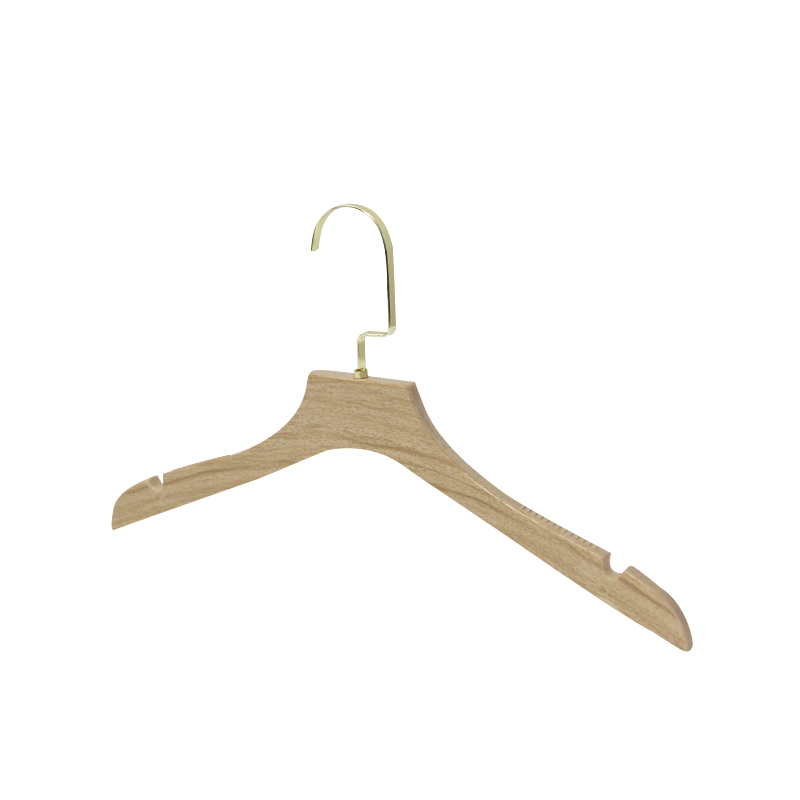
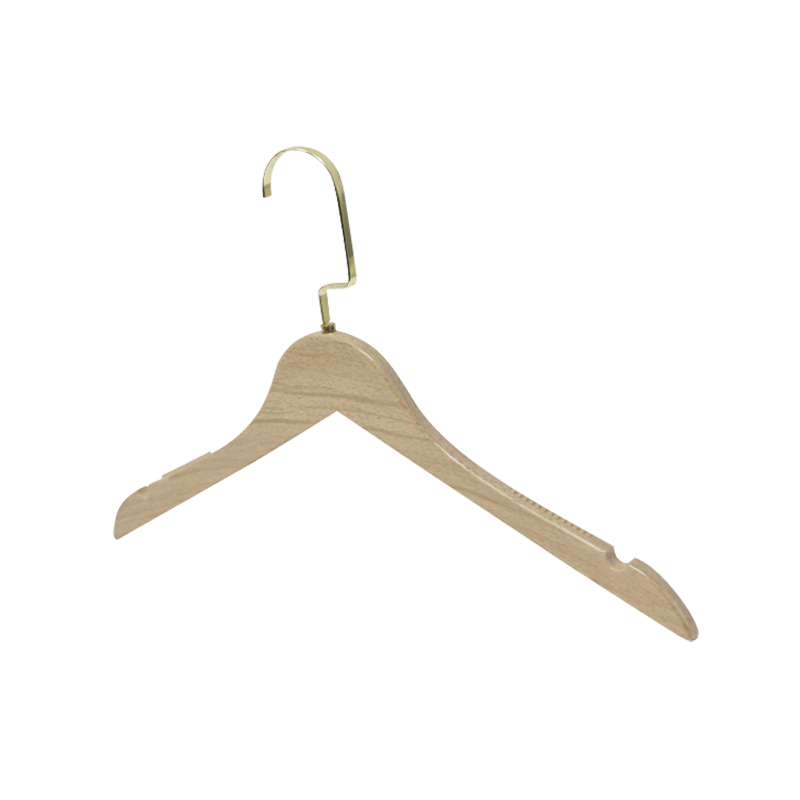
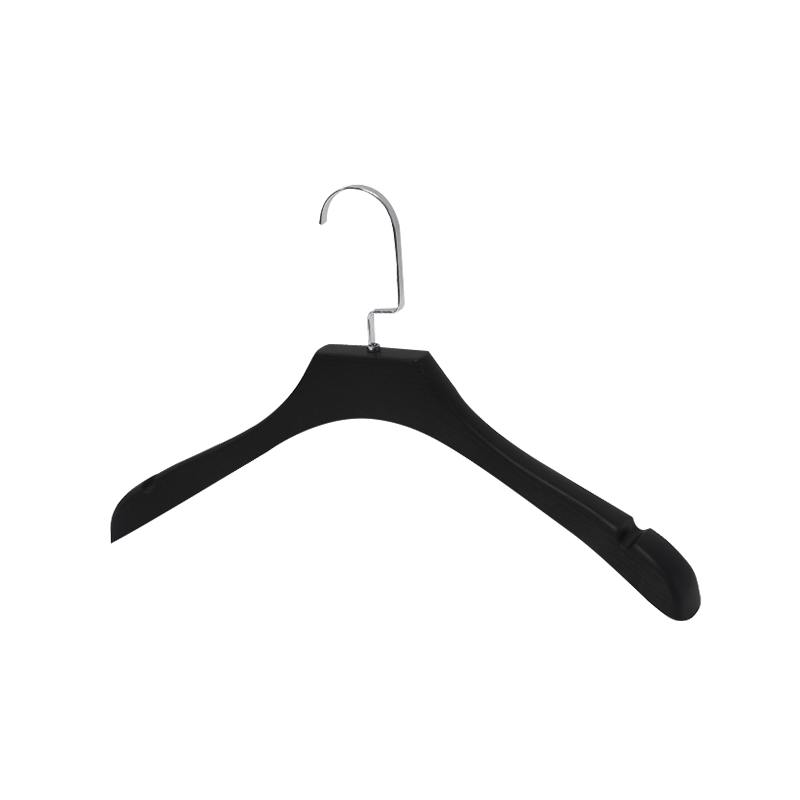
Classic Style Wooden Metal Hook Hanger
Product features:
1. Solid wood material: This coat hanger is made of high-quality solid wood material to ensure t...
Historical Emergence: Early Steam-Based Fabric Care
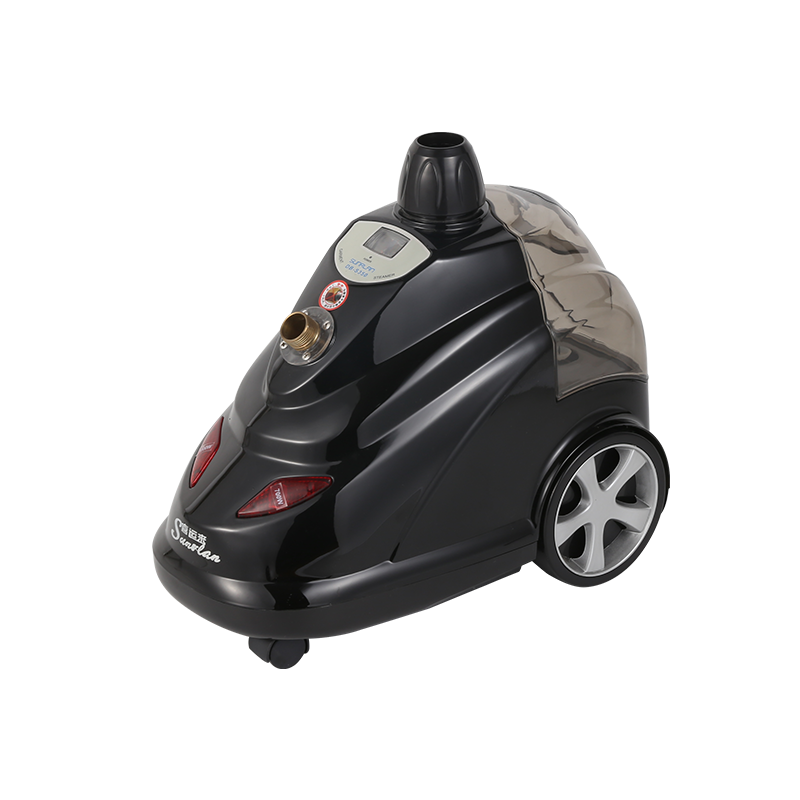
The concept of using steam to care for fabrics dates back several centuries.
Early Steam Devices: In the late 19th and early 20th centuries, steam irons and rudimentary steaming devices were used in professional laundries. Steam was applied to fabrics to relax fibers and remove wrinkles.
Upright Models: Upright garment steamers emerged in the mid-20th century as an alternative to traditional irons. They allowed vertical steaming of hanging clothes, reducing the risk of creasing and simplifying fabric care.
Function: The initial upright steamers provided basic wrinkle removal and fabric refreshing, offering convenience for households and small businesses compared to ironing boards.
Significance: Their emergence represented a shift from flat ironing methods to vertical steaming, improving efficiency and expanding the range of fabrics that could be treated safely.
Heating Technology Evolution: From Simple Boilers to Electric Steam Units
The performance of upright garment steamers depends heavily on heating technology.
Early Boilers: Initial steamers relied on simple water reservoirs heated by basic electric coils. The resulting steam was sufficient for light garment care but often inconsistent in flow and temperature.
Advanced Heating Elements: Later models introduced more powerful and precise electric heating elements, allowing faster steam generation and higher temperatures. Some units incorporated thermoregulation to maintain consistent steam output.
Rapid Heat Technology: Modern upright steamers can reach operating temperature in a few minutes, improving user convenience and efficiency.
Function: Advances in heating technology increased steaming efficiency, reduced waiting time, and enhanced performance on various fabric types, from cotton to delicate synthetics.
Design Improvements: Ergonomics and Practicality
Design considerations have played a key role in the evolution of upright garment steamers.
Vertical Structure: The upright design allows clothes to hang freely, preventing new wrinkles and enabling easier access to sleeves, collars, and pleats.
Portability and Size: Early steamers were often bulky and stationary. Over time, compact, lightweight, and portable designs emerged, allowing home users to move the appliance easily.
User-Friendly Features: Adjustable poles, retractable hoses, built-in hangers, and detachable water tanks have been added to improve convenience and usability.
Function: Design improvements enhance ergonomics, ease of use, and storage flexibility, making upright steamers more practical for a variety of living spaces.
Modern Innovations: Safety, Efficiency, and Multifunctionality
Recent developments have focused on improving safety, energy efficiency, and versatility.
Safety Features: Automatic shut-off mechanisms, anti-drip systems, and insulated handles prevent accidents and protect fabrics during steaming.
Energy Efficiency: Modern steamers are designed to optimize water and electricity usage, providing effective steaming without unnecessary waste.
Multifunctional Capabilities: Some units include fabric brushes, garment refresh modes, or vertical ironing options, expanding their utility beyond basic wrinkle removal.
Function: Modern innovations enhance user experience, ensure safe operation, and extend the range of applications, making upright steamers suitable for households, professional laundries, and hospitality environments.
The upright garment steamer emerged as a practical alternative to traditional irons, providing vertical steaming for hanging clothes. Its development has progressed through four main aspects: historical emergence in the mid-20th century, the evolution of heating technology from simple boilers to rapid electric steam units, design improvements that enhanced ergonomics and portability, and modern innovations focusing on safety, energy efficiency, and multifunctionality. Understanding this development illustrates how upright garment steamers have become versatile, convenient, and user-friendly appliances for both domestic and professional use, reflecting ongoing technological and design advancements in household fabric care.