
 Language
  English
 中文简体
中文简体 Español
 русский
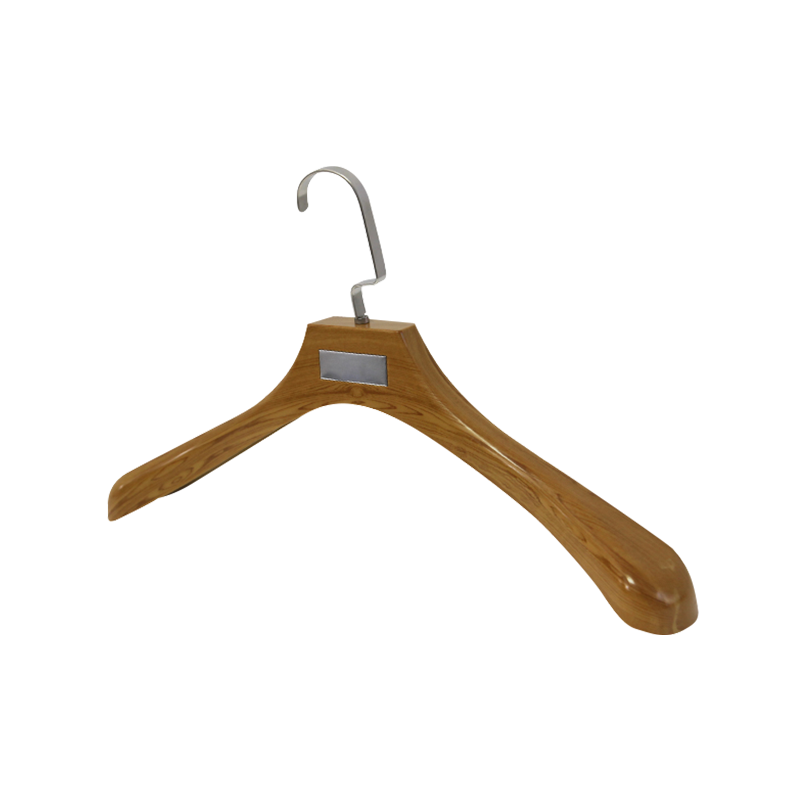
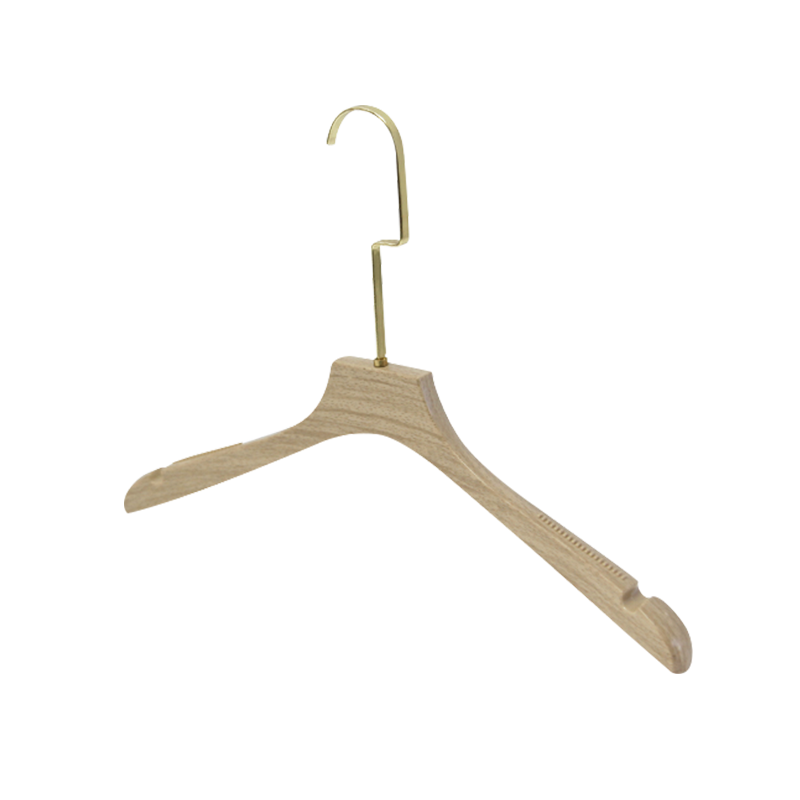
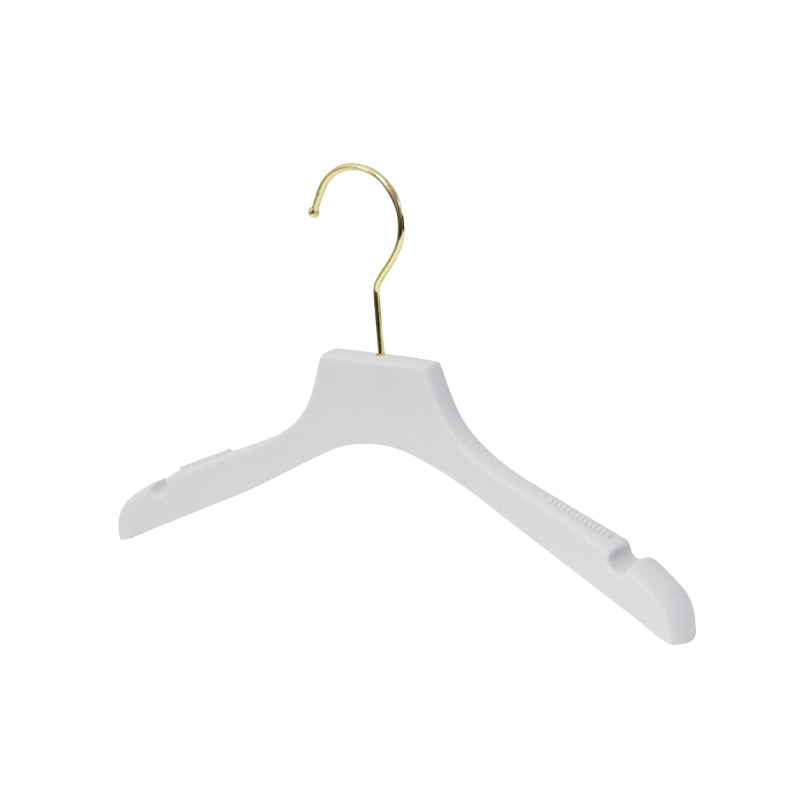
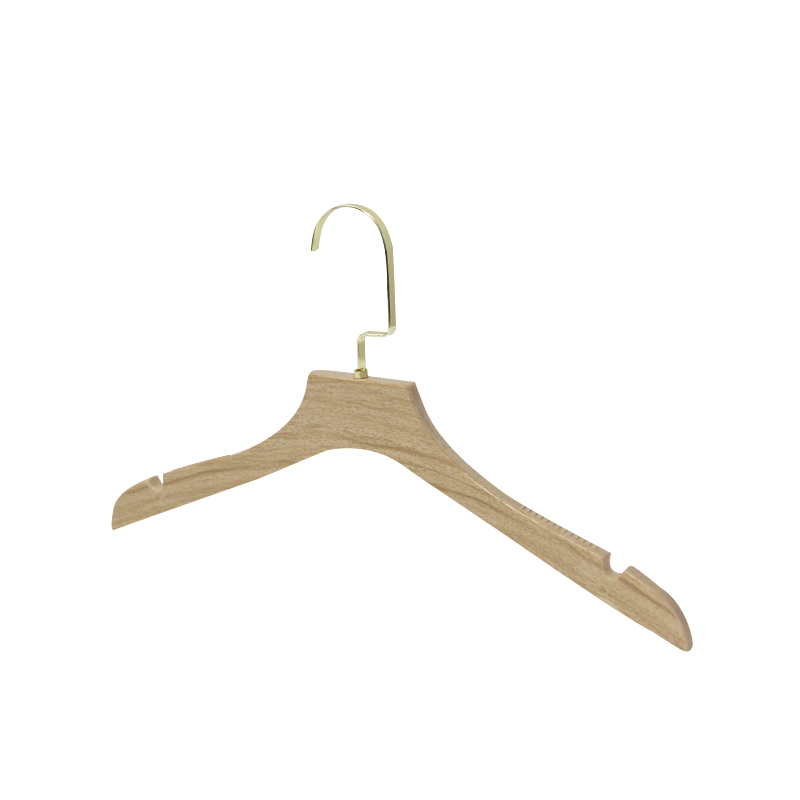
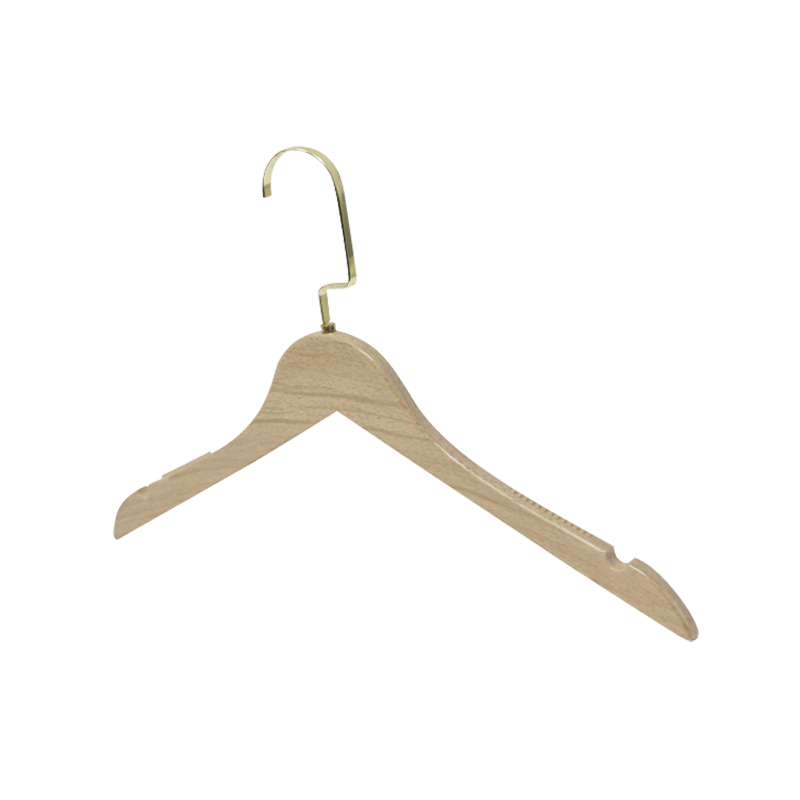
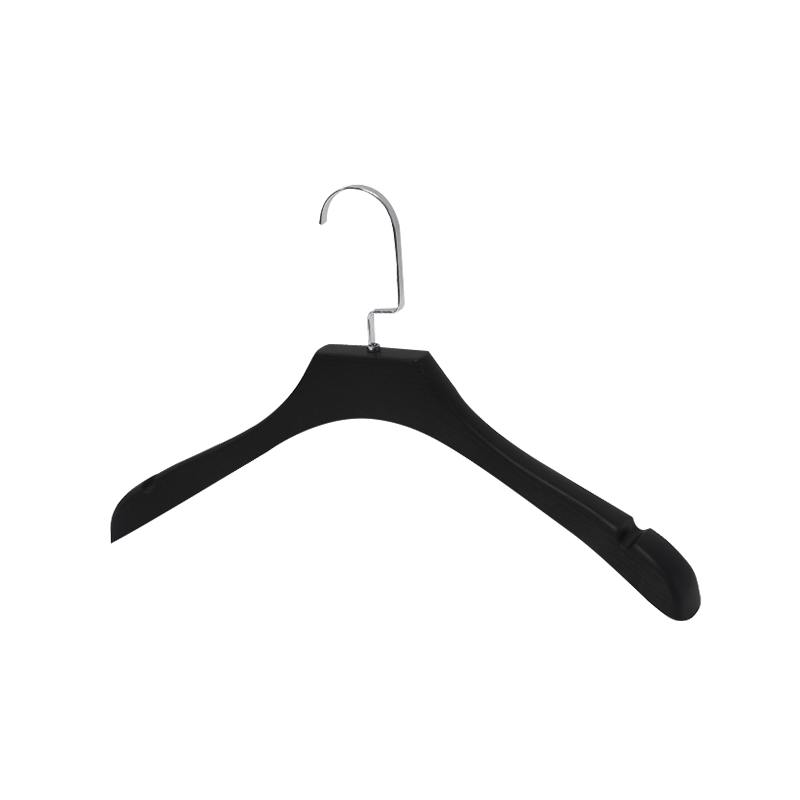
Classic Style Wooden Metal Hook Hanger
Product features:
1. Solid wood material: This coat hanger is made of high-quality solid wood material to ensure t...
A vertical electric steamer is a type of appliance designed to remove wrinkles, refresh fabrics, and sanitize textiles using hot steam. Unlike traditional irons, it allows garments to remain hanging while being treated, providing convenience and flexibility. The appliance typically consists of a vertical support or pole, a water reservoir, a heating element, a steam nozzle, and often a telescopic or collapsible stand for storage.
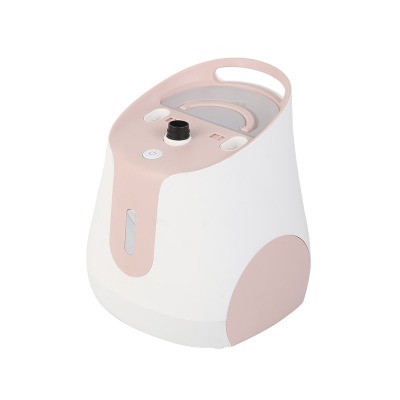
Operation: Water in the reservoir is heated to generate steam, which travels through a hose or nozzle to the garment.
Design Features: Many vertical steamers include adjustable poles, removable water tanks, and fabric brushes for enhanced performance.
Applications: Commonly used for clothing, curtains, upholstery, bed linens, and soft toys.
Safety Elements: Automatic shut-off, overheat protection, and anti-drip designs prevent accidents during operation.
Vertical electric steamers are intended to simplify garment care, offering a hands-free, upright steaming experience. The vertical setup allows for easier access to longer garments, such as coats and dresses, without the need for ironing boards.
Convenience and Time Efficiency
Vertical electric steamers allow garments to remain hanging while steaming, saving time compared to traditional ironing. Users can adjust the steam output and move the nozzle along the fabric without repositioning the garment repeatedly.
Fabric Protection
Certain fabrics, including silk, polyester, and wool blends, are sensitive to high direct heat. Steam relaxes fibers without pressing, reduce the risk of burns, shine marks, or distortion.
Versatility in Applications
Vertical steamers are not limited to clothing. They can refresh curtains, upholstery, bedding, and soft toys. The steam penetrates fibers, helping remove wrinkles and mild odors while maintaining fabric structure.
Energy Efficiency
Vertical steamers heat water quickly and maintain continuous steam output. This allows multiple garments or items to be treated consecutively without repeatedly reheating, reducing overall energy consumption.
How Does a Vertical Electric Steamer Work?
The operation of a vertical electric steamer involves several basic steps:
Water Heating: Water is poured into the reservoir and heated using an electric heating element. Once the water reaches a specific temperature, it produces steam.
Steam Release: Steam flows through a hose or nozzle, which is directed at the garment. Some models include adjustable steam levels for different fabric types.
Garment Treatment: The user moves the nozzle vertically along the hanging garment, allowing the steam to relax fibers and remove wrinkles. For thicker fabrics, brushing attachments may be used to help steam penetrate.
Safety Monitoring: Built-in sensors prevent overheating or dry operation when the water level is low. Automatic shut-off ensures the device turns off if it is left idle or overheated.
Proper use requires maintaining a consistent distance between the nozzle and the fabric, typically a few centimeters, to avoid wetting or damaging the garment.
How Should a Vertical Electric Steamer Be Maintained?
Regular Cleaning
Water and mineral deposits can build up in the reservoir or steam channels. Periodic cleaning with a mixture of water and vinegar or manufacturer-recommended solutions helps prevent clogging.
Checking Electrical Components
Cords, plugs, and switches should be inspected for wear or damage. Any exposed wires or faulty connections can compromise safety.
Water Quality
Using distilled or demineralized water reduces mineral deposits in the heating element and steam nozzle, prolonging the life of the device.
Storage Considerations
After use, the steamer should be drained, cleaned, and stored in a dry location. Collapsible poles and detachable hoses facilitate compact storage and prevent damage during periods of non-use.