
 Language
  English
 中文简体
中文简体 Español
 русский
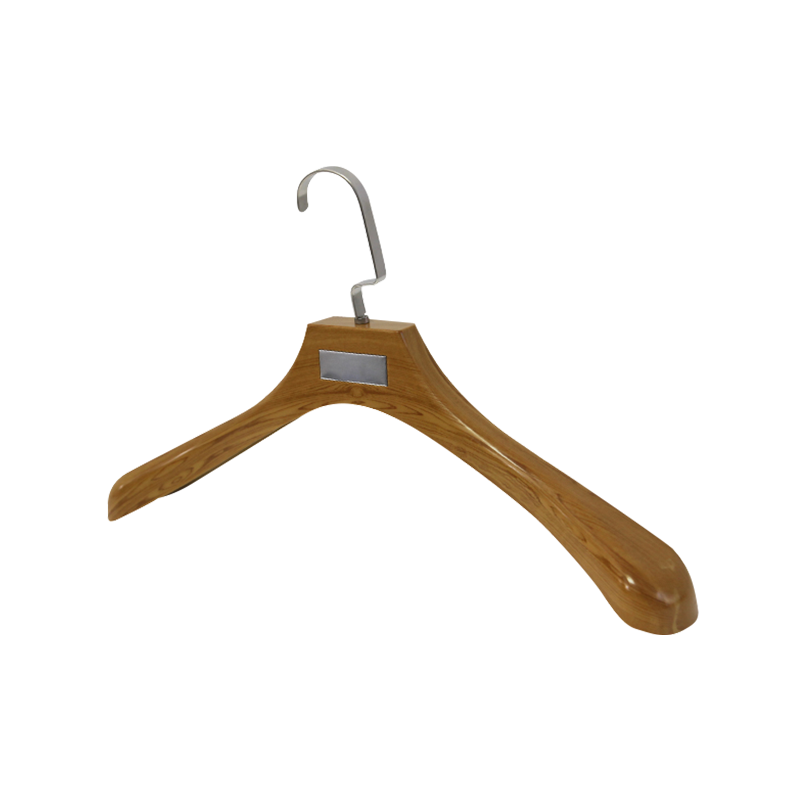
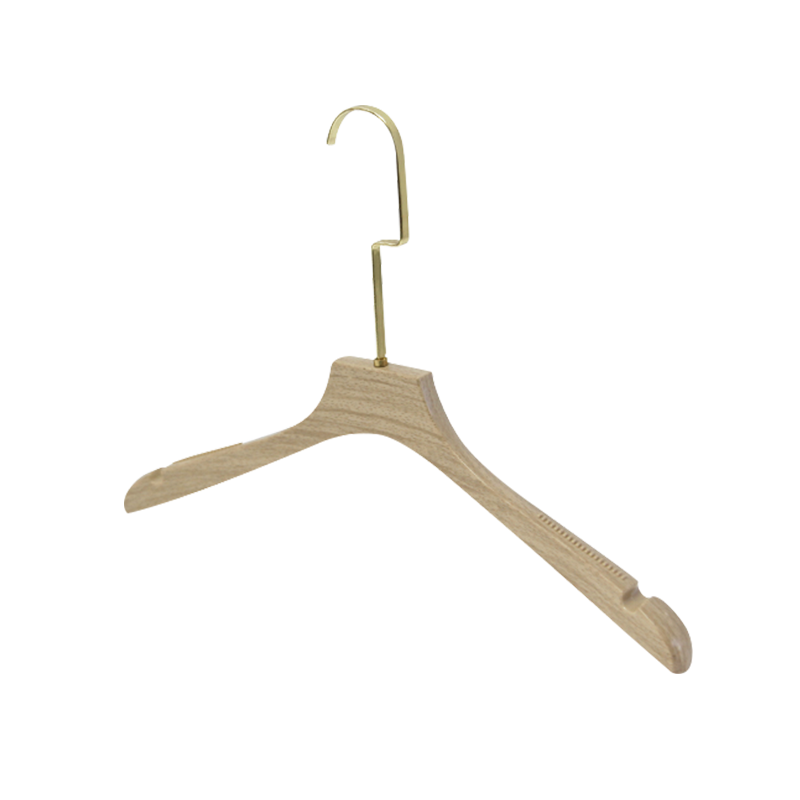
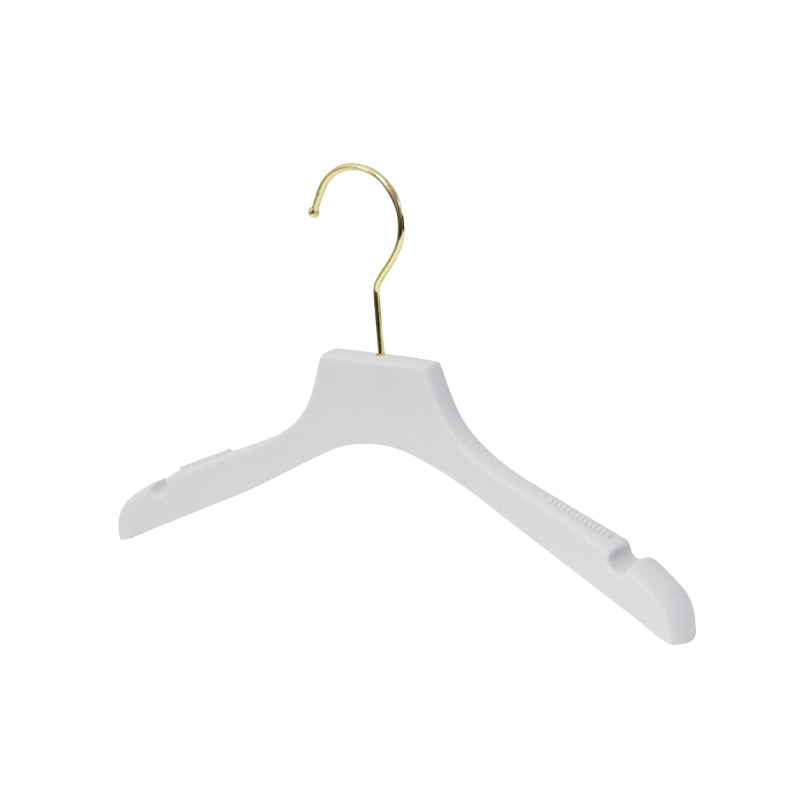
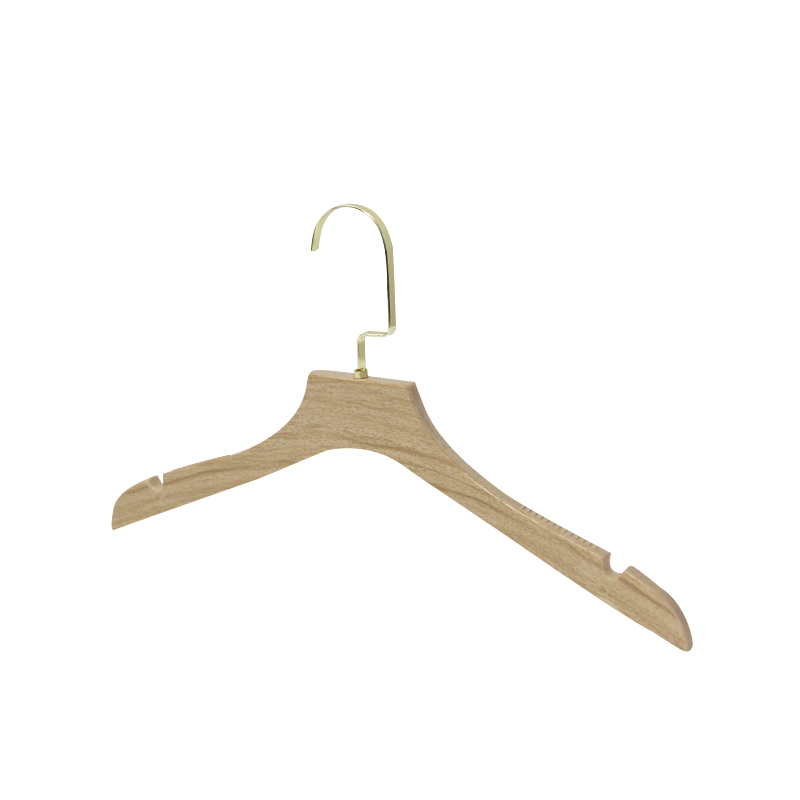
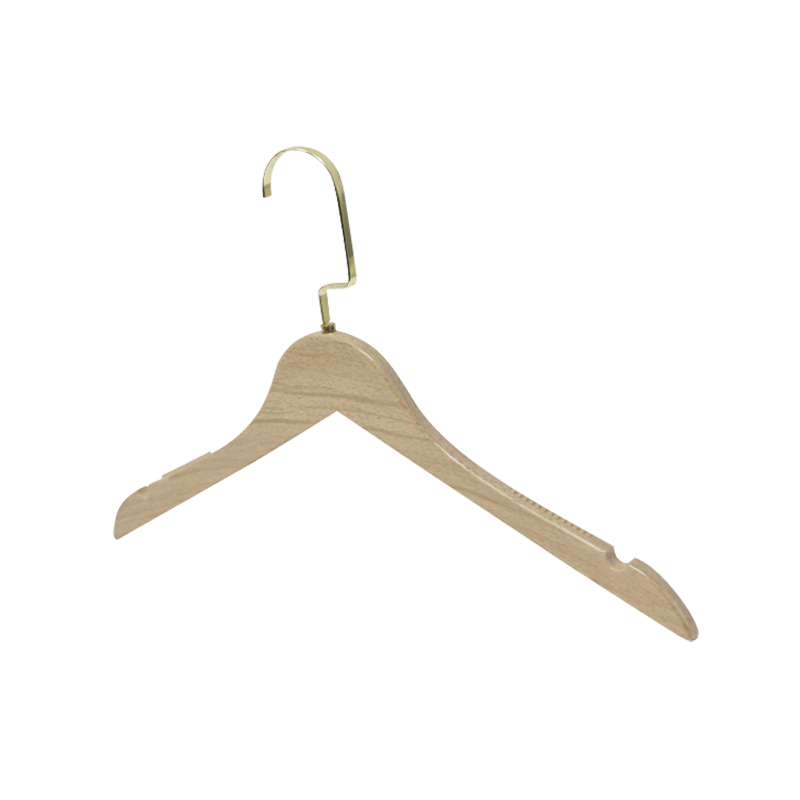
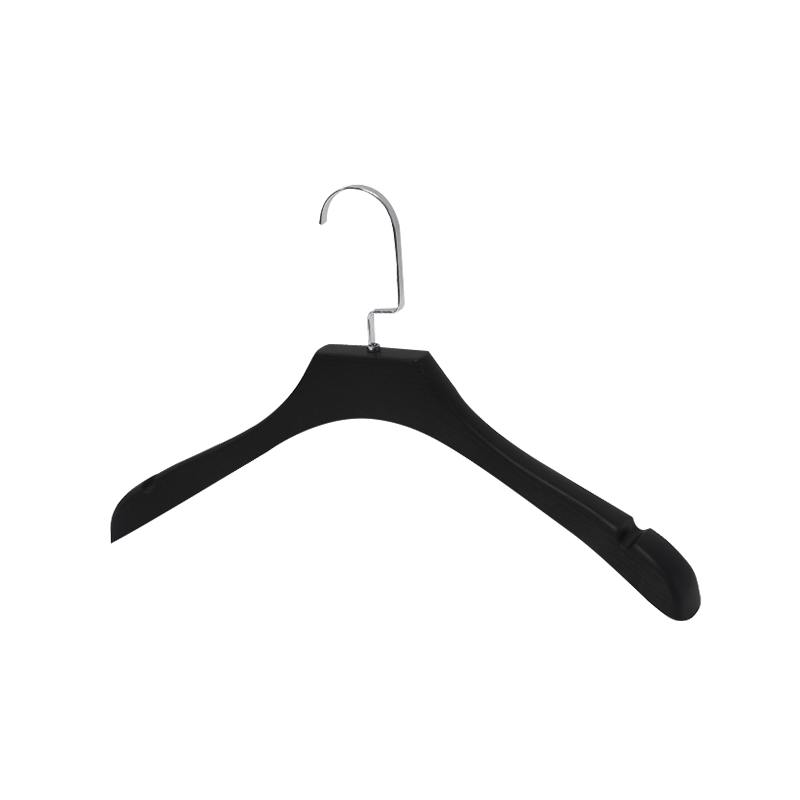
Classic Style Wooden Metal Hook Hanger
Product features:
1. Solid wood material: This coat hanger is made of high-quality solid wood material to ensure t...
Household garment steamers have several practical drawbacks that users should consider before purchase. One common limitation is that they are generally less effective than irons for heavy fabrics. Materials such as denim, thick cotton, or heavily starched garments may not respond well to steam alone, requiring an iron for pressing or flattening.
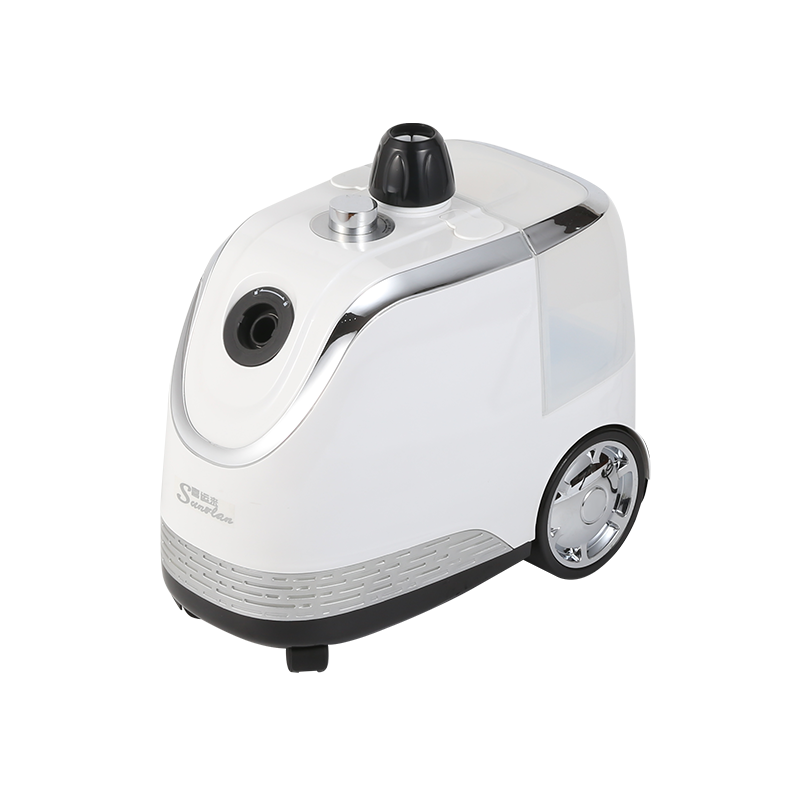
Steamers require a steady supply of water, and mineral deposits can build up over time, especially in areas with hard water. This can bring about reduced steam output or clogging of the steam nozzle if the appliance is not regularly descaled. Using distilled water can reduce this issue, but it adds ongoing cost and effort.
Noise is also a consideration. Some household steamers produce noticeable noise during operation, which may be inconvenient in shared living spaces or during early morning use.
Garment steamers generally provide less precise control over fabric shaping. While they effectively remove wrinkles, they do not offer the same level of crispness or sharp creases that an iron can achieve. For users who need tailored finishing, a steamer may not fully replace an iron.
To correctly understand and use a full-size fabric steamer, it is important to view it as a complementary tool rather than a complete replacement for an iron.
Understand its primary purpose
A full-size fabric steamer is designed mainly for wrinkle removal, fabric refreshing, and gentle care, not for creating sharp creases.
Use the correct water type
Using distilled or filtered water helps reduce mineral buildup and extends the life of the steamer.
Preheat properly
Allow the steamer to reach operating temperature before use. Many models take a few minutes to heat up.
Maintain correct distance
Keep the steam head a safe distance from fabric—typically 1 to 2 inches—to avoid water spotting or fabric damage.
Steam in downward strokes
Moving the steamer head downward helps gravity assist in wrinkle removal and prevents moisture from accumulating.
Use for appropriate fabrics
Steamers are well suited for delicate fabrics such as silk, polyester, wool blends, and suits, but less effective on heavy cotton or denim.
Allow drying time
After steaming, allow garments to hang for a few minutes to fully dry and set the fabric.
By following these steps, users can achieve consistent results while protecting fabric integrity and prolonging the appliance's service life.
Full-size fabric steamers are often used in homes, hotels, retail stores, and clothing studios. Their height and steam capacity make them suitable for steaming long garments, curtains, upholstery, and suits. Because they operate vertically, they are particularly convenient for hanging garments and working without an ironing board.
In retail and commercial settings, full-size steamers are valued for quick garment refreshment and maintaining the appearance of displayed clothing. In homes, they are practical for items that are difficult to iron, such as drapes, layered clothing, and delicate fabrics.
However, it is important to select a model with appropriate steam output and tank capacity for the intended use. Larger tanks reduce the need for frequent refilling, while higher steam output improves efficiency for heavier fabrics.
Maintenance and Longevity Considerations
Maintenance is essential to keep a full-size fabric steamer functioning well over time. Regular descaling is important in areas with hard water to prevent mineral buildup in the heating element and steam pathways. Many models offer a descaling function or recommend a periodic cleaning schedule.
Proper storage also contributes to longevity. Allow the unit to cool fully before storing, and ensure the hose is not kinked or bent sharply. Inspecting the steam head and hose for wear helps prevent leaks or reduced steam performance.
Routine cleaning of the steam head prevents clogging and ensures consistent steam output. Using distilled water and following the manufacturer's maintenance recommendations helps reduce the risk of malfunction and extends service life.