
 Language
  English
 中文简体
中文简体 Español
 русский
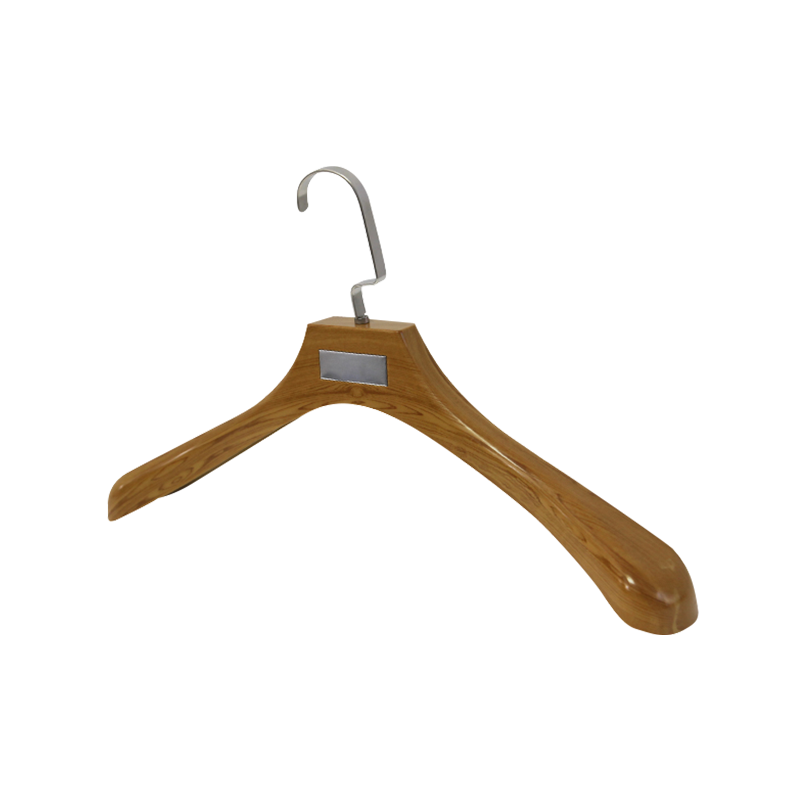
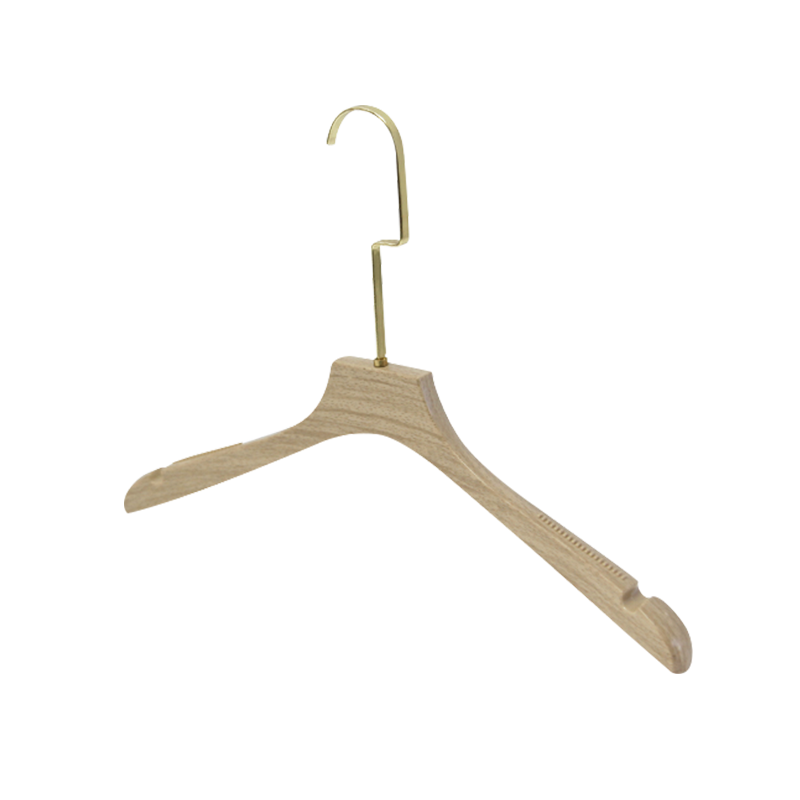
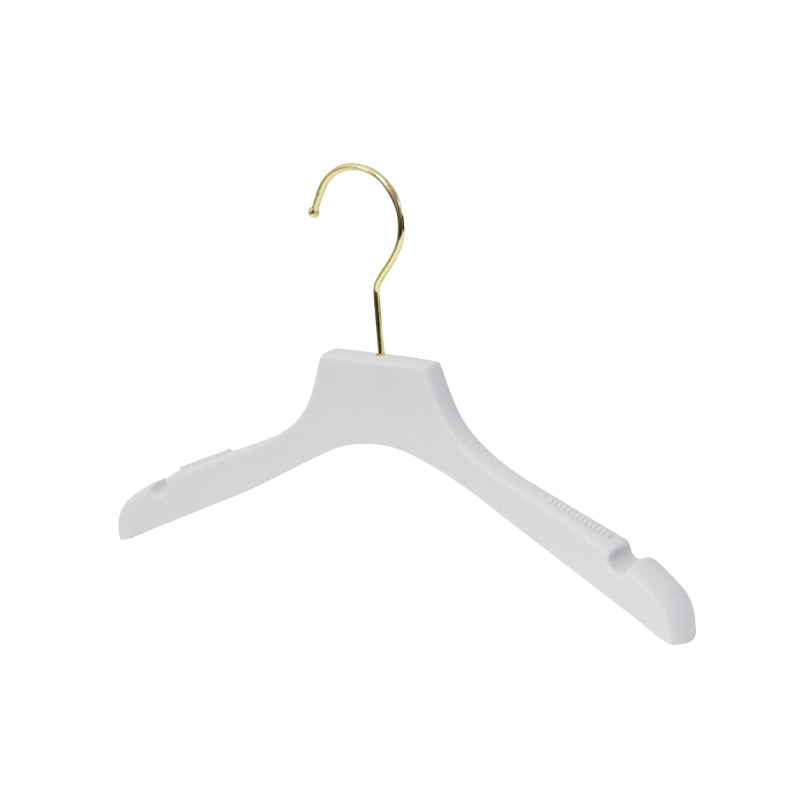
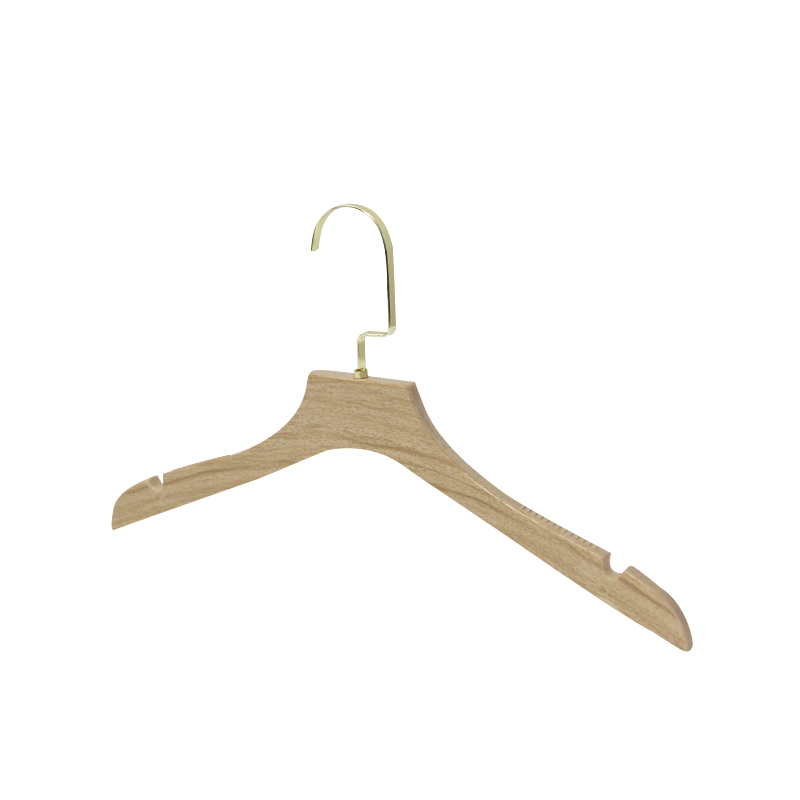
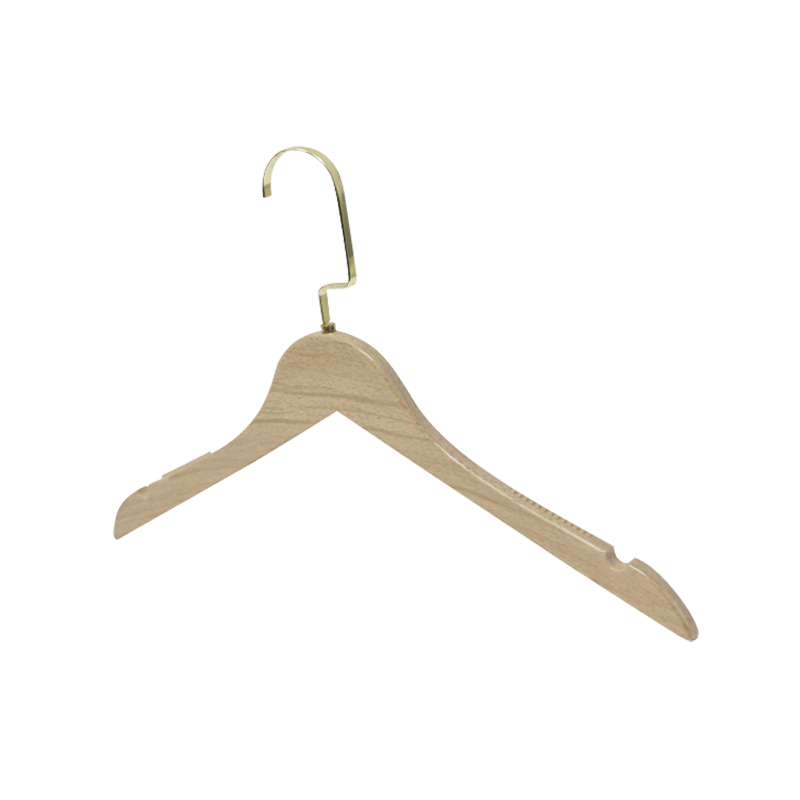
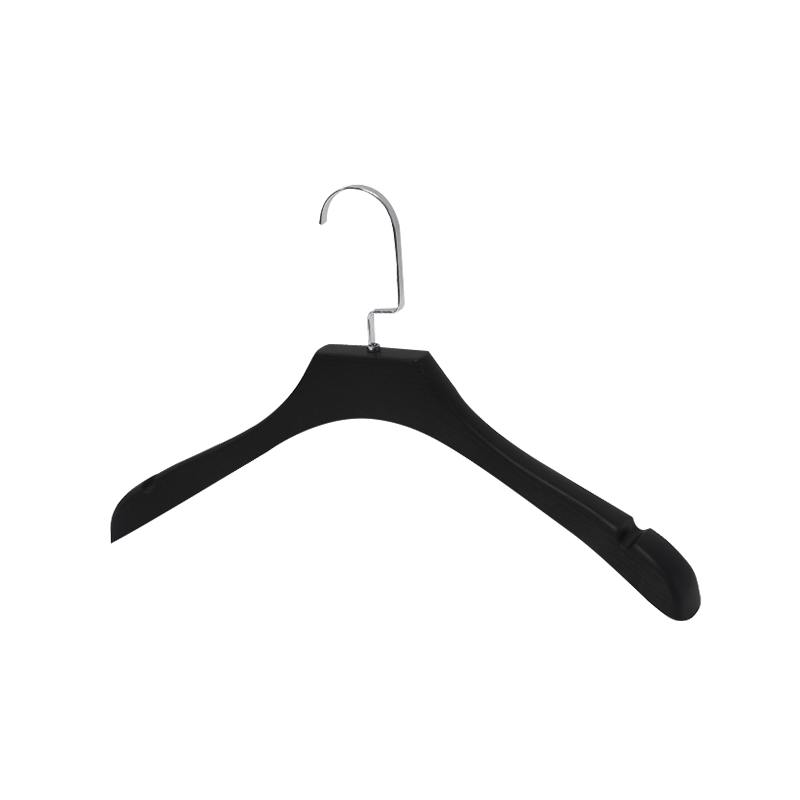
Classic Style Wooden Metal Hook Hanger
Product features:
1. Solid wood material: This coat hanger is made of high-quality solid wood material to ensure t...
The boiler is the core. Aluminium boilers heat up fast and cost less. They also corrode if the water sits in them between uses. Stainless steel boilers resist scale and last longer. A vertical clothes steamer factory building for a brand that offers a multi-year warranty will spec stainless steel or at least an aluminium boiler with a corrosion-resistant coating.
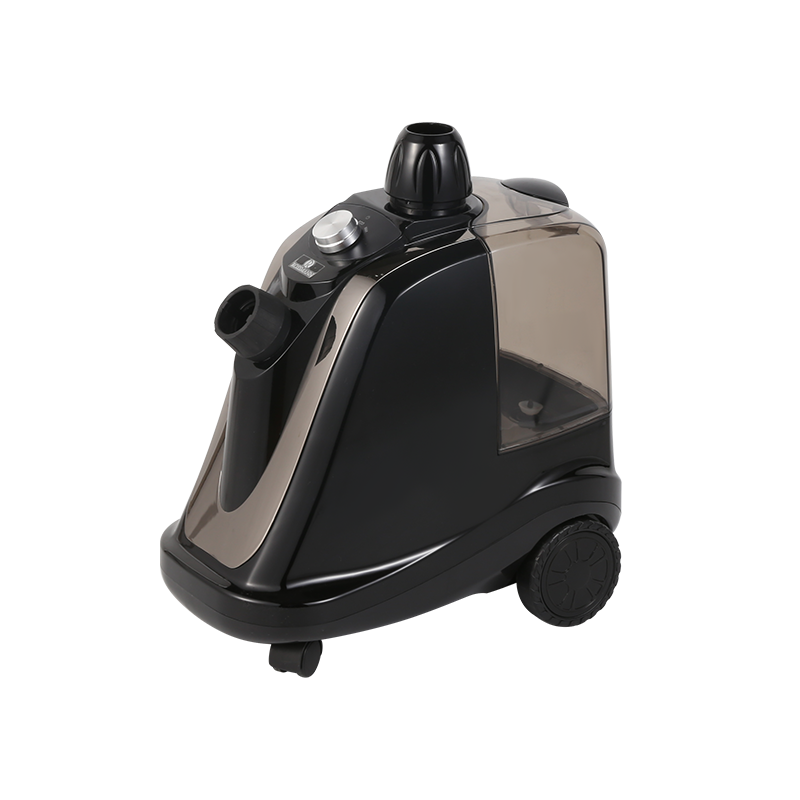
The steam path from boiler to nozzle has to stay hot enough that steam does not condense back into water. If the hose is unheated or too long, steam cools along the way. The user gets spitting and wet patches on the fabric. A vertical clothes steamer factory that runs an insulated hose or a heated hose delivers dry steam at the nozzle. Test a sample by running it continuously for ten minutes. Hold a mirror six inches from the steam head. If water droplets bead on the glass, the steam is wet. If the glass fogs evenly with no droplets, the steam is dry.
Many vertical steamers move water with a small electric pump. The pump pushes water from the tank into the boiler in pulses. A pump that delivers too much water floods the boiler and spits. One that delivers too little lets the boiler run dry and overheat. The ideal designs use a pump that matches its flow rate to the boiler's evaporation capacity. A vertical clothes steamer factory that tunes this match for each model produces a steamer that runs smoothly. One that uses the same pump across a range of boiler sizes gets some models right and some wrong.
The water tank itself should be removable, with a fill opening large enough to fit under a bathroom tap. Tanks with tiny fill holes force the user to fill from a jug, which guarantees spills. The tank valve that seals when removed should not drip. A valve that leaks leaves a puddle on the ironing board or floor every time the user refills.
The steam head is the part that touches the fabric. It should be flat enough to press lightly against a shirt but shaped so it does not catch on buttons. A ceramic-coated or non-stick soleplate on the steam head helps it glide and prevents scorching if it contacts synthetic fabric. A vertical clothes steamer factory that includes a fabric brush, a lint pad, and a crease attachment with a secure clip mechanism is thinking about how the tool gets used daily. Accessories that fall off mid-stroke get thrown in a drawer and never used again.
A vertical steamer stands on a telescopic pole. A pole that wobbles at full extension makes the whole unit feel flimsy. The base should be weighted or wide enough that a tug on the hose does not tip the machine over. The pole locks should be positive—a collar that twists and clicks, not a friction slide that gradually sinks under the weight of the steam head. A vertical clothes steamer factory that uses aluminium poles with reinforced locking collars builds for daily use. One that uses thin steel tubes with plastic friction locks builds for a shelf.
The power switch and controls should be positioned where the user can reach them without bending down. A foot pedal for on-off is a genuine usability improvement that separates commercial-oriented designs from budget home units. If the factory offers a pedal option, they have probably fielded feedback from professional users.
Run the steamer continuously until the tank is empty. Listen for pump noise changes. The sound should be steady, not surging or rattling. Check the steam dryness with a mirror test at the start and end of the tank. Check the hose connections at both ends for leaks after an hour of total run time. Remove and replace the water tank ten times, checking the valve for drips. Raise and lower the pole through its full range ten times, checking lock security. A vertical clothes steamer factory that has done this testing on its own production line will ship units that work quietly and deliver dry steam. One that hasn't will ship units that gurgle, spit, and eventually leak. The differences are all inside the boiler, the pump tune, and the hose insulation. The things you cannot photograph for a product listing but that determine whether the steamer gets used every morning or stuffed in the back of a closet.