
 Language
  English
 中文简体
中文简体 Español
 русский
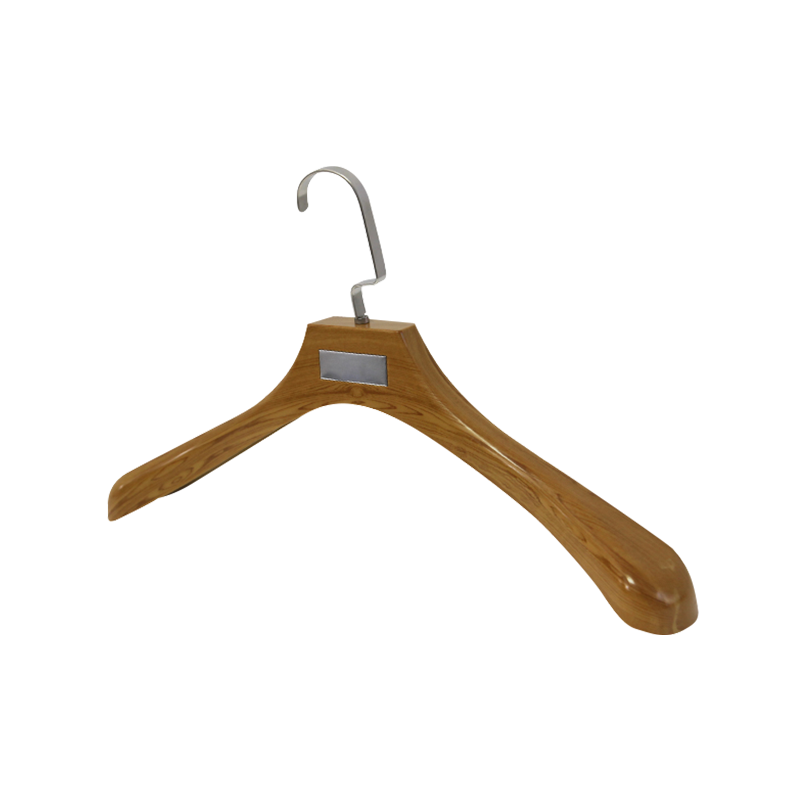
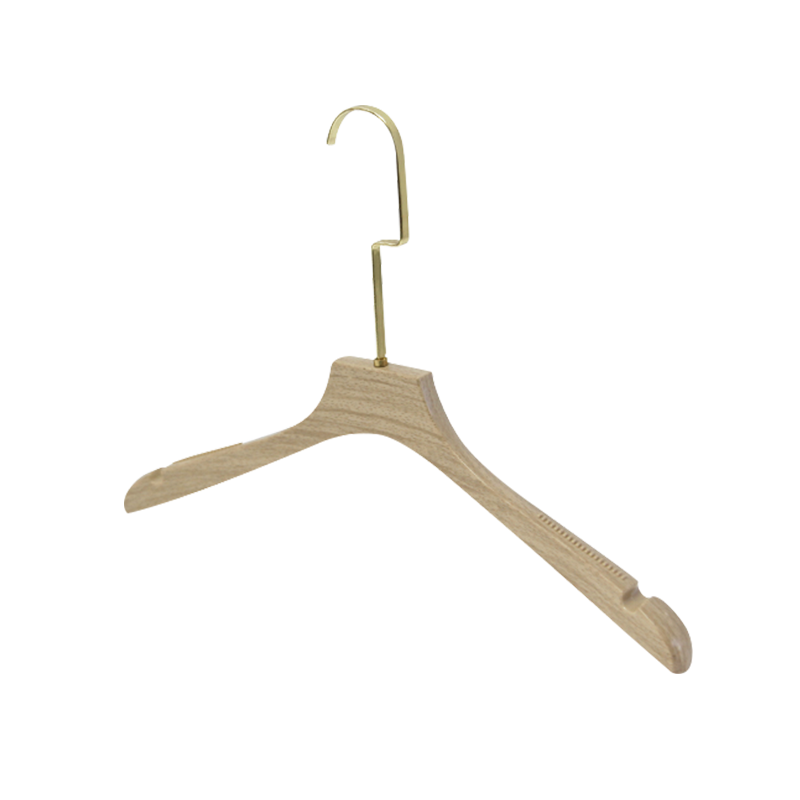
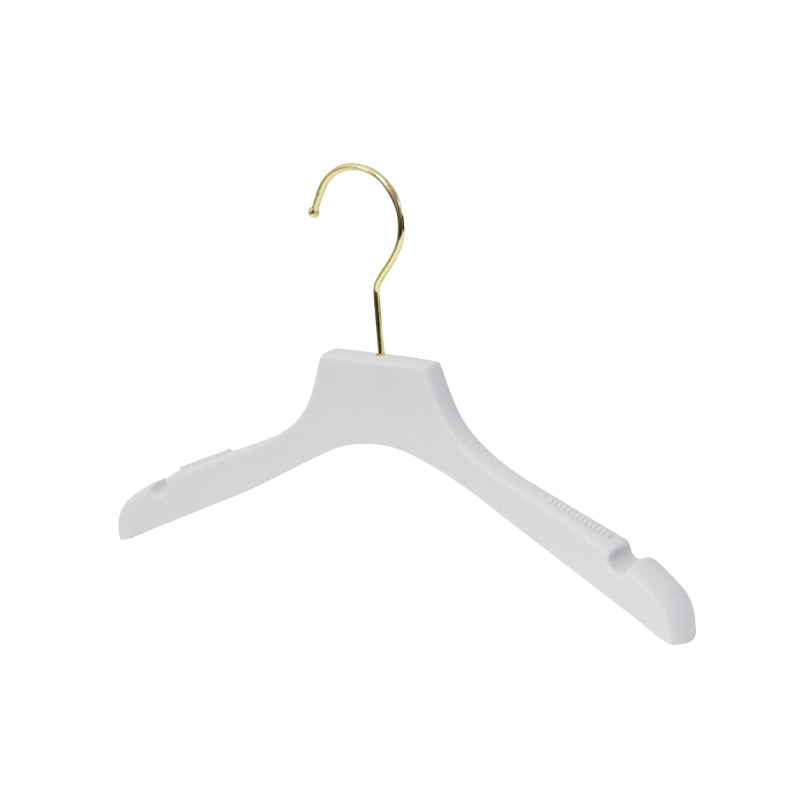
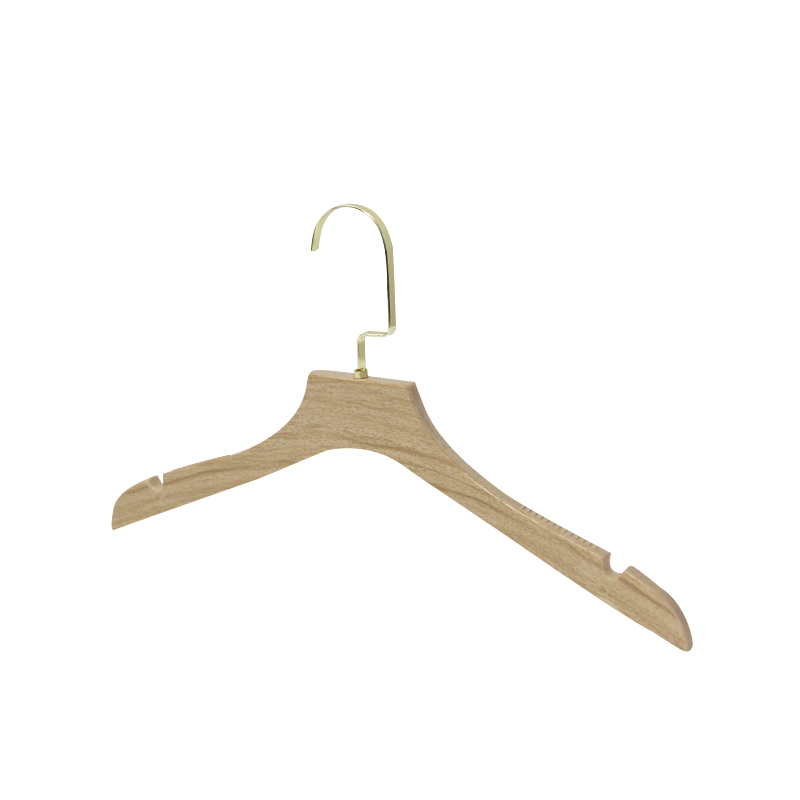
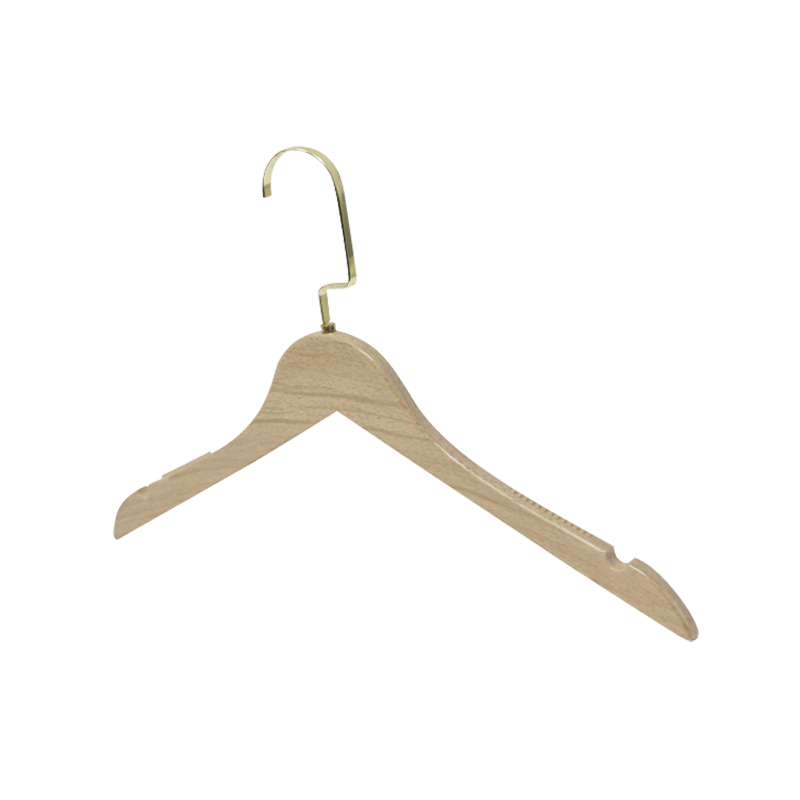
Classic Style Wooden Metal Hook Hanger
Product features:
1. Solid wood material: This coat hanger is made of high-quality solid wood material to ensure t...
An ironing board takes up space, demands technique, and burns shirts when distracted. A vertical clothes steamer hangs on a rack or sits on the floor. It heats water to steam in under a minute. The user waves a nozzle over hanging fabric and wrinkles relax. No board. No scorch marks. A vertical clothes steamer factory builds these appliances for home users, hotel housekeeping, and garment care brands. The steam has to be hot enough to relax fibers, dry enough not to soak fabric, and continuous enough to finish a jacket without running dry.
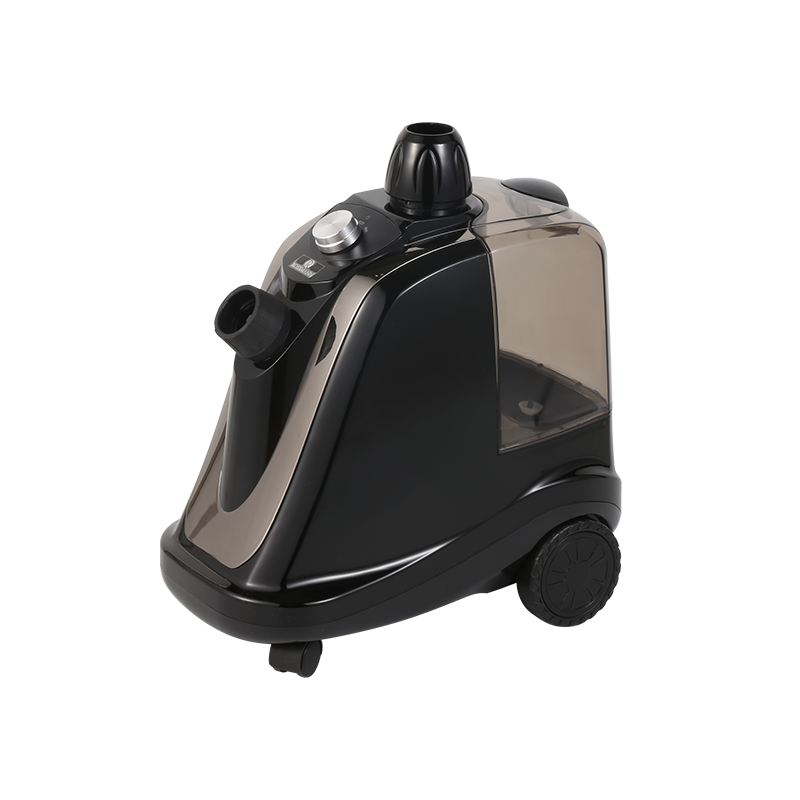
The core is a water tank and a heating element. Boiler design determines heat-up speed, steam duration, and whether the steam comes out dry or spits water onto fabric.
A vertical clothes steamer factory chooses between aluminum and stainless steel boilers. Aluminum heats faster and costs less. Stainless steel resists scale and lasts longer. Wattage dictates performance. A 1500-watt element heats in 45 to 60 seconds. A 2000-watt element cuts that to 30 seconds and sustains more steam for heavier fabrics.
Steam dryness separates a steamer that refreshes from one that wets. Water condensing inside the hose sputters droplets onto clothes. A vertical clothes steamer factory insulates the hose or uses a heated hose to keep steam dry through the entire path. Dry steam relaxes fibers. Wet steam leaves damp spots.
The handheld nozzle distributes steam through a patterned faceplate. A vertical clothes steamer factory designs the nozzle with enough surface area and hole pattern to cover fabric evenly without creating back pressure.
Attachments extend function. A fabric brush loosens lint. A crease tool presses sharp folds. A delicates guard diffuses steam for silk. A vertical clothes steamer factory that includes these gives the user more reasons to skip the iron.
The hose connection at both ends must seal against steam pressure without leaking. A vertical clothes steamer factory uses threaded connections with silicone gaskets that hold the seal through heating and cooling cycles. A connection that drips hot water onto the user gets the unit returned.
Water capacity determines how many garments get steamed before refilling. Travel steamers hold 150 to 300 milliliters for one garment. Floor units hold 1.5 to 2.5 liters for 45 to 60 minutes of continuous use.
A vertical clothes steamer factory using a removable tank with a large fill opening and visible water level makes refilling simple. A fixed tank forces the user to carry the whole unit to the sink. Drainage matters too. A vertical clothes steamer factory includes a drain plug so the user empties residual water before storage. Water left in the boiler accelerates scale buildup.
Here is what a steamer built for daily use needs:
The heating element corrodes or shorts. A vertical clothes steamer factory using quality resistance wire with proper sealing at electrical connections builds elements that last years. Scale buildup chokes the boiler in hard water areas. A factory that includes descaling instructions and accessible cleaning ports extends usable life. A sealed boiler that cannot be descaled is disposable.
Auto-shutoff protects both unit and user. A thermal cutoff switch kills power when water runs low. Without it, the element overheats and burns out. A vertical clothes steamer factory installs this as standard on any unit designed for unsupervised use. Garment safety matters too. A unit that spits boiling water onto silk destroys the garment and the brand reputation.
A vertical clothes steamer replaces the ironing board for millions of households. It hangs in the closet, ready to refresh a shirt in minutes. Choose a factory that heats water fast, delivers dry steam, and builds the tank for easy filling and draining. The user grabs the steamer instead of setting up the board. That is the whole idea.