
 Language
  English
 中文简体
中文简体 Español
 русский
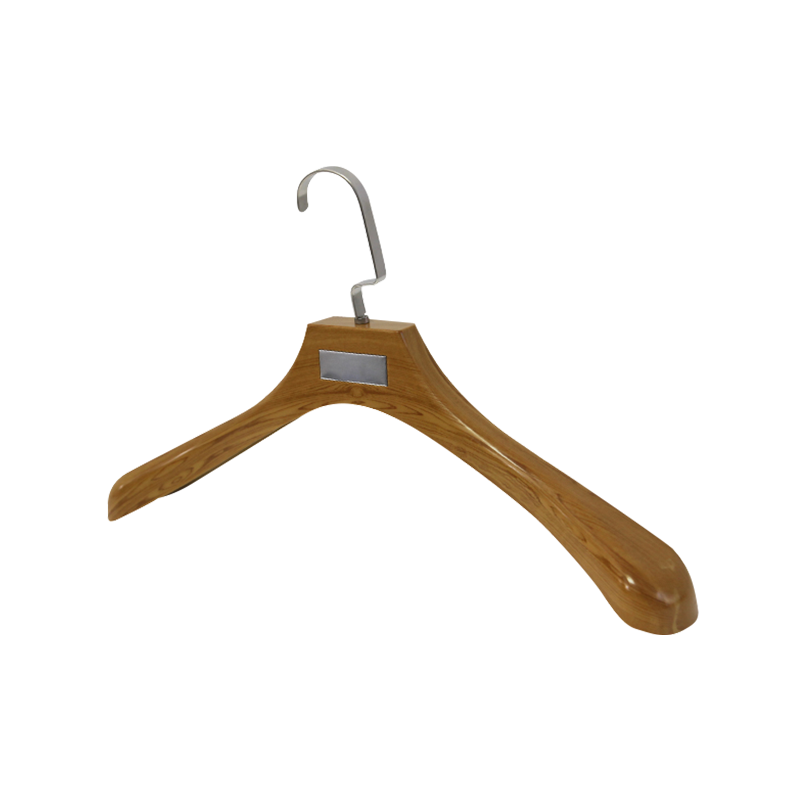
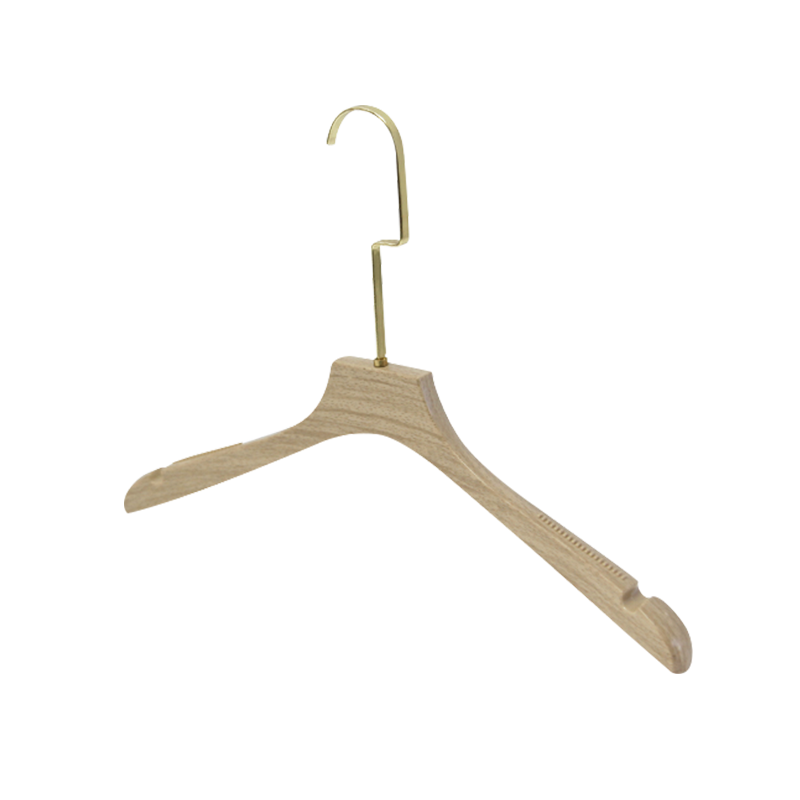
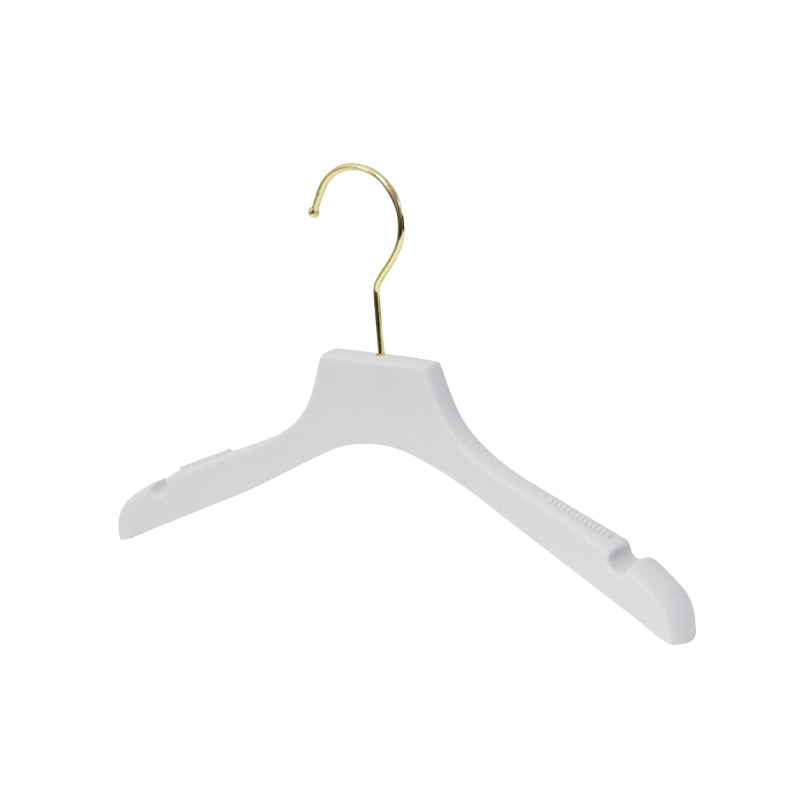
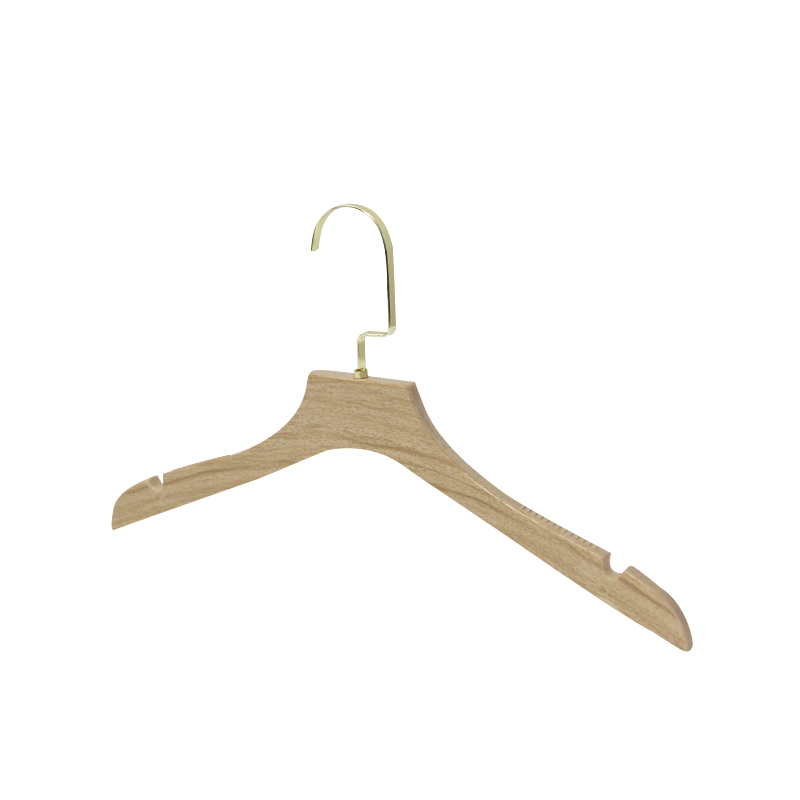
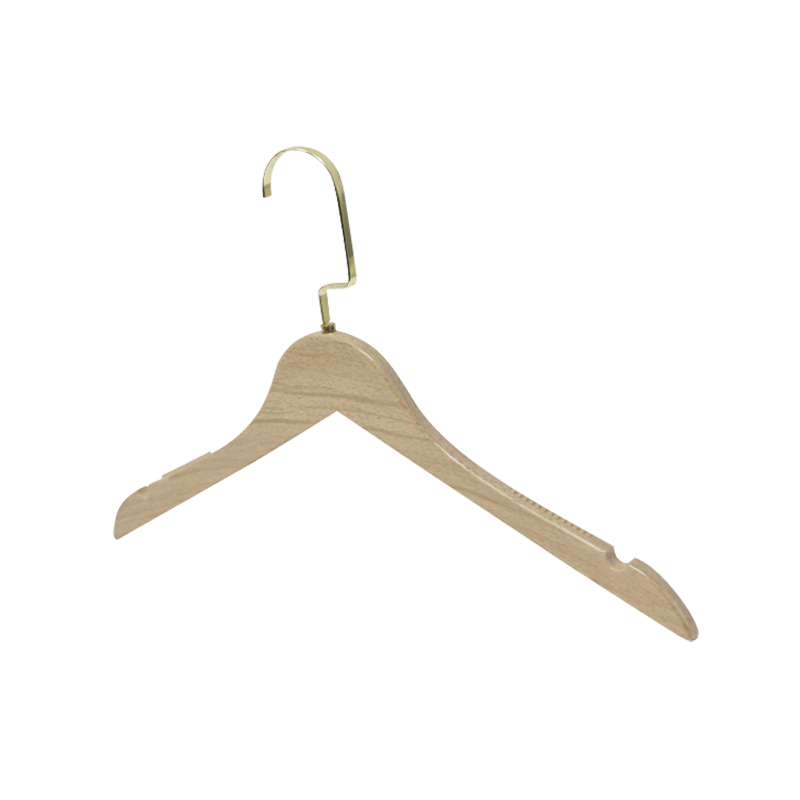
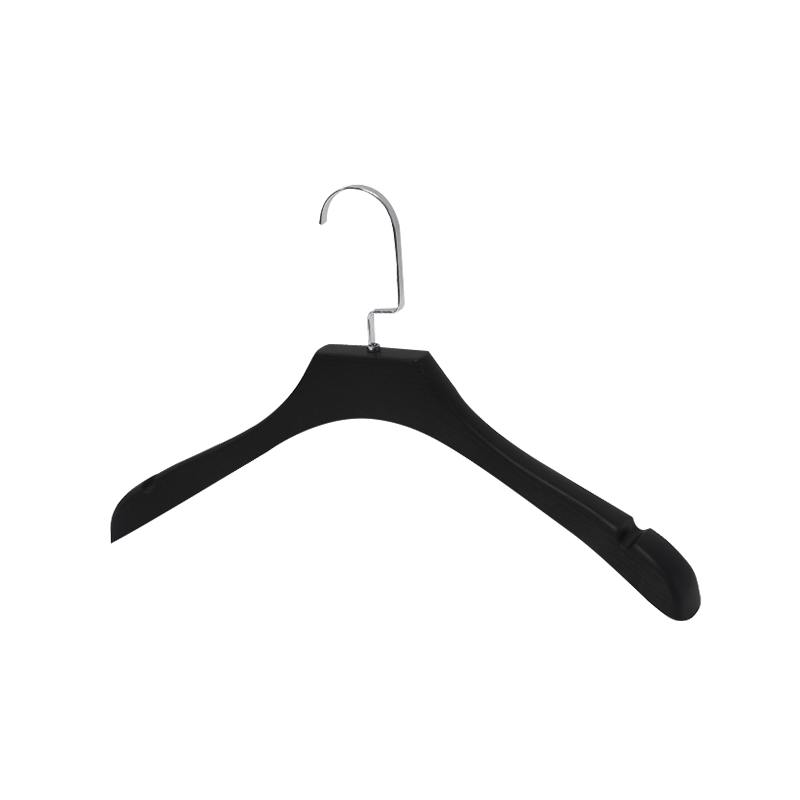
Classic Style Wooden Metal Hook Hanger
Product features:
1. Solid wood material: This coat hanger is made of high-quality solid wood material to ensure t...
The inner lining of a steamer plays a critical role in determining heat distribution, steam flow, and overall safety. Selecting the appropriate inner lining affects the efficiency, durability, and maintenance of the appliance. Different types of inner linings offer varying levels of thermal conductivity, corrosion resistance, and ease of cleaning. The following sections examine four common types of inner linings used in vertical garment steamers and their characteristics.
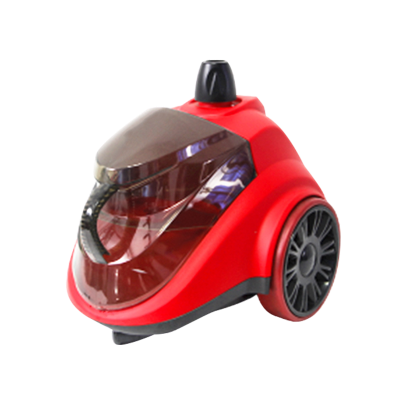
Stainless Steel Inner Lining
Stainless steel is a commonly used material for the inner lining of vertical garment steamers. It is resistant to corrosion, can withstand high temperatures, and provides uniform heat distribution. The use of stainless steel ensures that the water reservoir and steam channel do not rust over time, which is important for appliances that are in regular contact with water.
This type of lining allows for efficient steam generation, as the metal conducts heat effectively from the heating element to the water. Stainless steel surfaces are relatively smooth, which reduces the accumulation of mineral deposits, although occasional descaling may still be necessary in areas with hard water.
Additionally, stainless steel linings contribute to the overall durability of the steamer. They can tolerate repeated heating and cooling cycles without warping or cracking. Users often prefer this lining type for its combination of reliability and low maintenance, especially when the steamer is intended for frequent household or commercial use.
Aluminum Inner Lining
Aluminum inner linings are another option for vertical garment steamers. Aluminum is lighter than stainless steel, which can reduce the overall weight of the appliance, making it easier to handle during prolonged use. Its high thermal conductivity ensures quick heating of the water, allowing the steamer to reach operating temperature in a relatively short time.
However, aluminum is more susceptible to corrosion than stainless steel, particularly if the water contains high levels of minerals or if acidic cleaners are used. To address this, aluminum linings are often coated with a protective layer to reduce oxidation and extend the life of the reservoir.
The smooth surface of aluminum linings facilitates steam flow and reduces resistance within the water chamber. While slightly less durable than stainless steel, aluminum linings are cost-effective and can provide adequate performance for home use. Proper care, including regular descaling and avoiding abrasive cleaners, helps maintain the efficiency of an aluminum-lined steamer.
Ceramic Coated Inner Lining
Some vertical garment steamers use ceramic-coated inner linings, which combine metal strength with a protective ceramic layer. The ceramic coating provides a non-reactive surface that resists corrosion and mineral buildup. This type of lining is particularly beneficial in areas with hard water, as it reduces the frequency of cleaning and prevents scaling.
Ceramic coatings also offer thermal stability, distributing heat evenly across the water reservoir and helping to produce a consistent flow of steam. This can improve the overall performance of the steamer, as stable temperatures reduce the risk of water boiling too quickly or unevenly.
While ceramic-coated linings are generally more fragile than stainless steel or aluminum, they can extend the life of the steamer when handled carefully. Avoiding direct impact or scraping of the coating is necessary to prevent chipping. This type of lining is often found in higher-end models or appliances marketed for long-term domestic use.
Plastic or Polymer Inner Lining
Some vertical garment steamers incorporate high-temperature-resistant plastic or polymer inner linings. These materials are lightweight, cost-effective, and resistant to certain types of corrosion. Advanced polymers can tolerate prolonged exposure to heat and steam without deforming, making them suitable for consumer-grade steamers.
Plastic or polymer linings typically do not conduct heat as efficiently as metals, which can result in slightly longer heating times. However, manufacturers often compensate for this by designing the heating element and reservoir for optimal energy transfer. The smooth surface of these linings helps reduce mineral accumulation and facilitates easier cleaning.
This type of lining is particularly common in portable or compact steamers intended for occasional use. Its lightweight nature makes handling easier and reduces fatigue during extended steaming sessions. While not as durable as metal or ceramic linings, polymer-based reservoirs provide adequate performance when used according to manufacturer guidelines.